Haint Blue is an architectural finish that was created by enslaved people in the American Lowcountry. The color is usually said to have been initially created using indigo. The tradition of Haint Blue includes painting specific architectural elements, such as door frames and window frames, in varying shades of light blues, greens, and deep indigo-like shades. In the present, most people associate Haint Blue with porch ceilings. The color and its placement are believed to deter malicious spirits, known as “Haints,” from a building’s vulnerable areas, i.e. doors and windows where Haints could enter a home. Such coatings are directly associated with the Gullah Geechee people of the American Sea Islands who descended from enslaved African people. It was these enslaved people who originated this spiritual paint tradition.
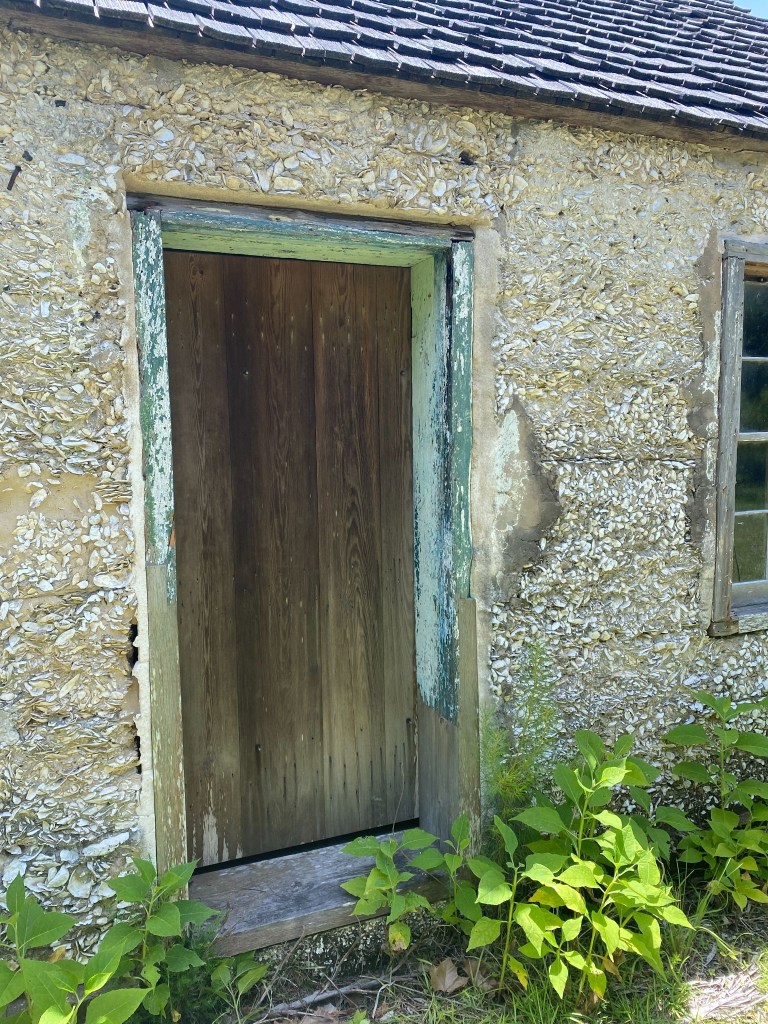
Haint Blue Paint, North End Plantation Ossabaw Island, Georgia
Painting architectural elements Haint Blue is an important tradition that, through its continued practice and application, preserves the histories, stories, and humanities of people who are often overlooked and erased from historic and architectural narratives. The color is not only significant for its spiritually protective properties, but also for its representation of African cultural survival in the United States in the face of brutal slavery.
Paint studies indicate that both synthetic ultramarine and Prussian blue pigments have been used to create blue finish layers in enslaved spaces. These pigments, rather than indigo as the myth presupposes, form the original layers of Haint Blue in buildings. Enslaved people used the pigments that were available to them, indicating that the importance of Haint Blue lies in its blue/green color, not the pigment used to create it. These people were skilled, smart, and resourceful, likely knowing that indigo would fade in any paint they made, leading them to choose more stable pigments. New evidence from the North End Plantation on Ossabaw Island, Georgia and Magnolia Plantation & Gardens in Charleston, South Carolina build upon the reports of sites studied between 2018 and 2020 by Susan Buck in Georgia and South Carolina. Altogether, these architectural paint studies demonstrate the use of synthetic ultramarine and Prussian blue in houses and other buildings where enslaved people worked. As a result, perhaps indigo was never used to create Haint Blue.
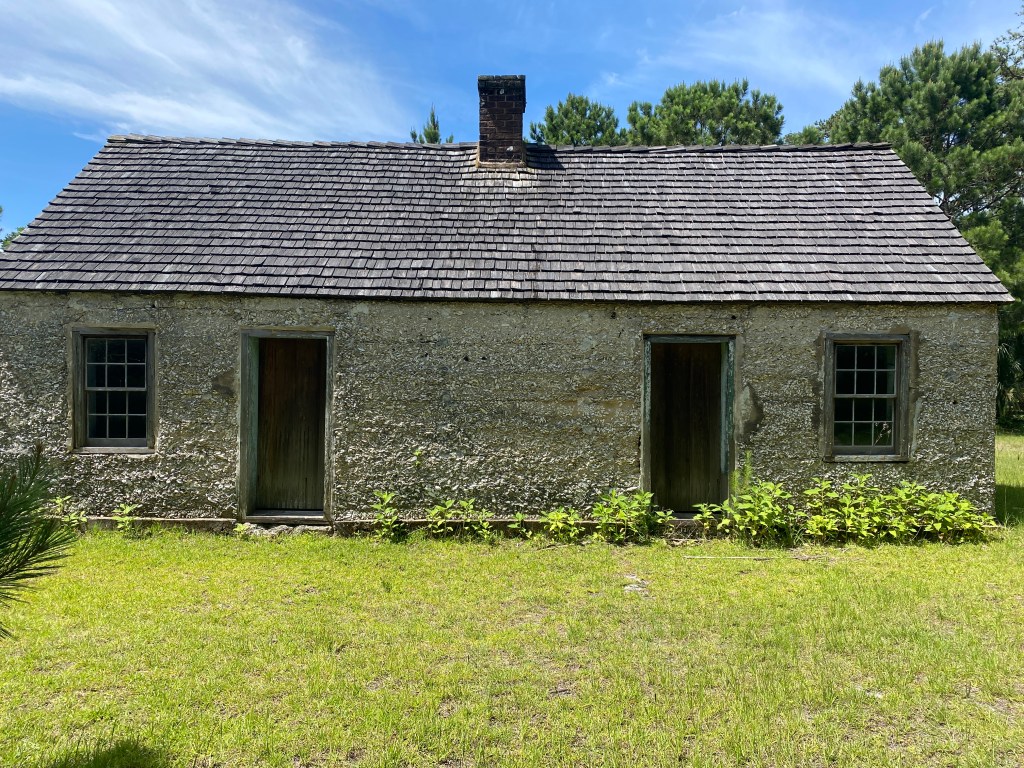
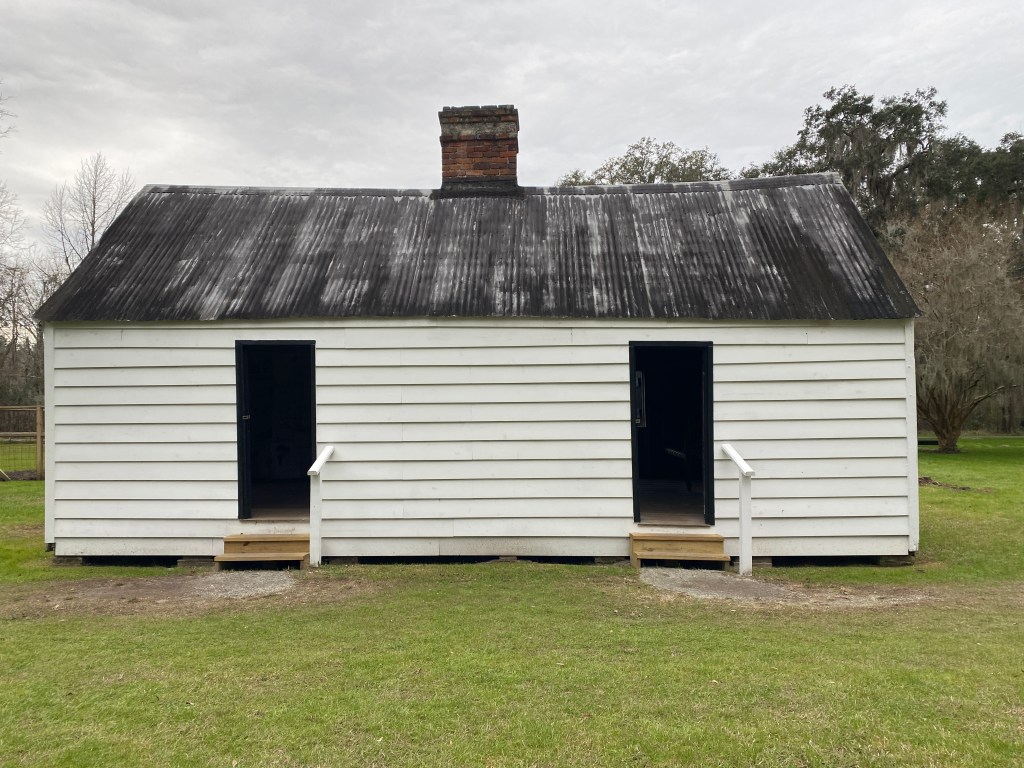
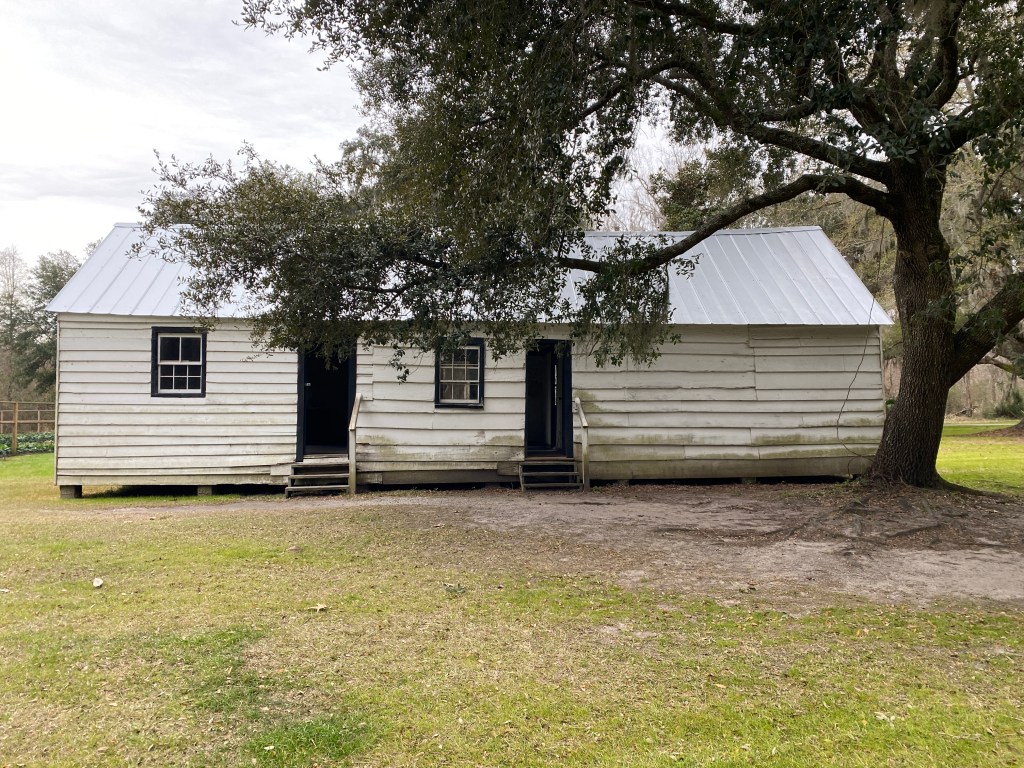
Former Slave Houses at Ossabaw Island, Georgia and Charleston, South Carolina where Haint Blue paint Samples Were Taken for Study
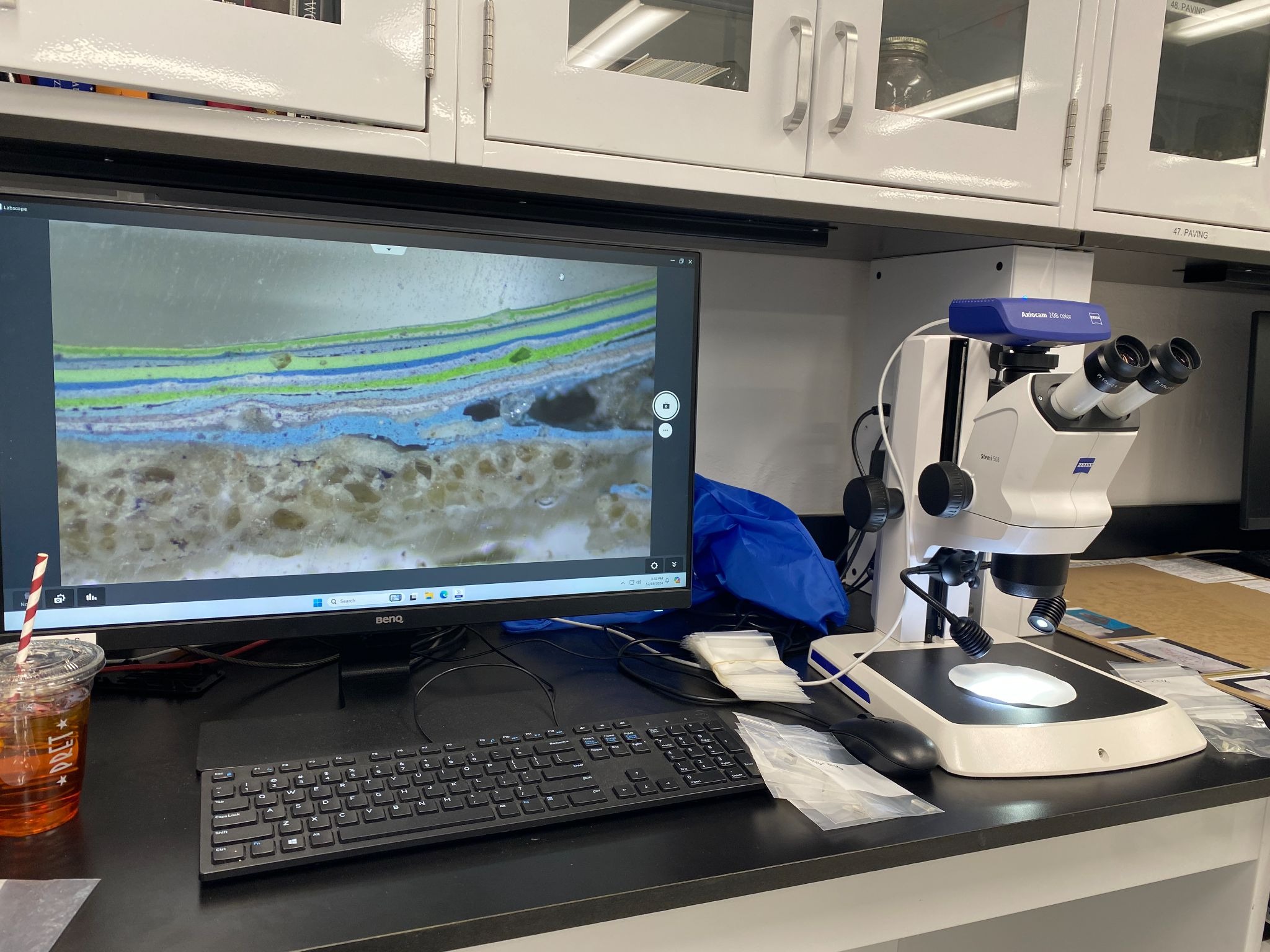
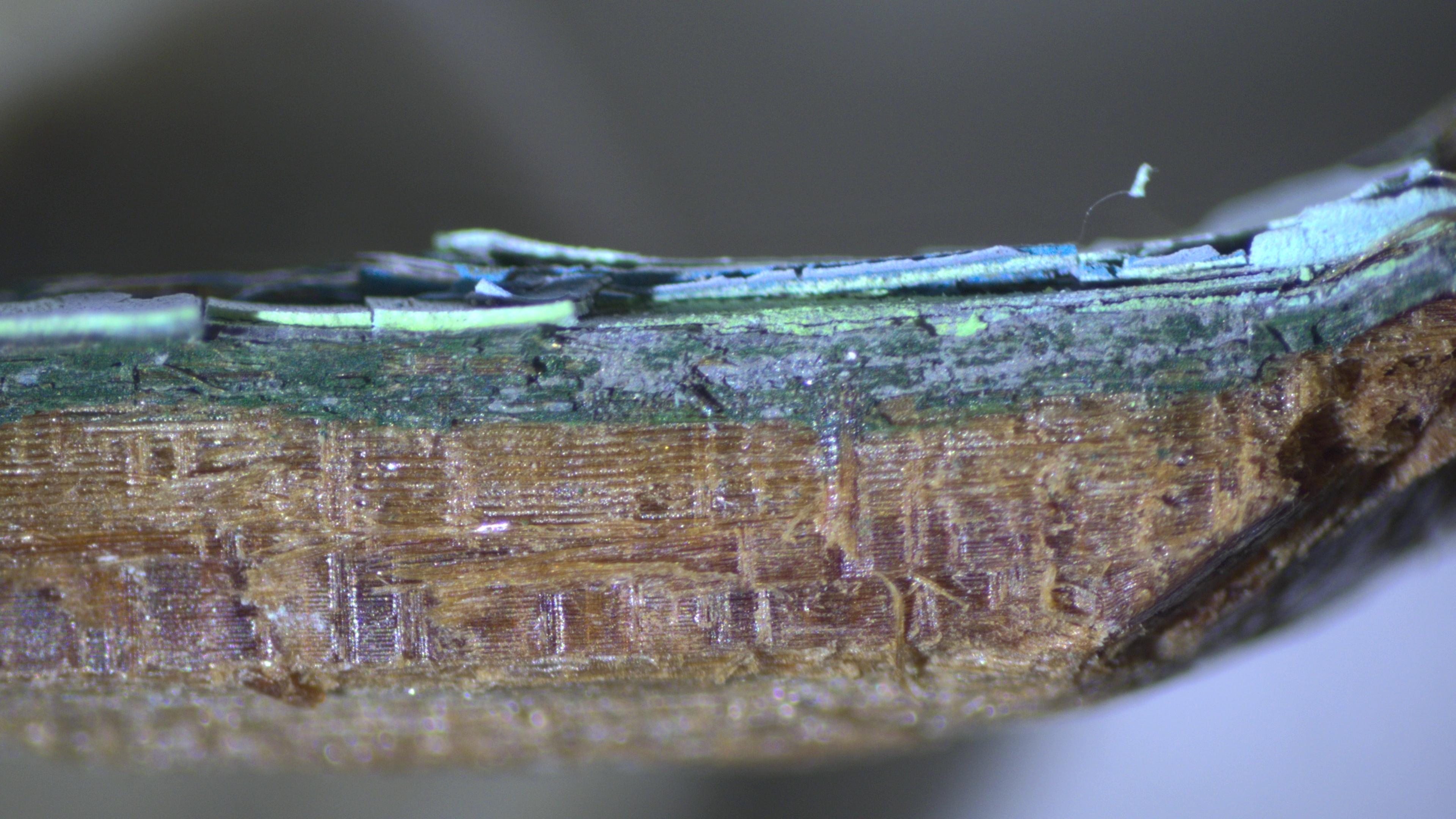
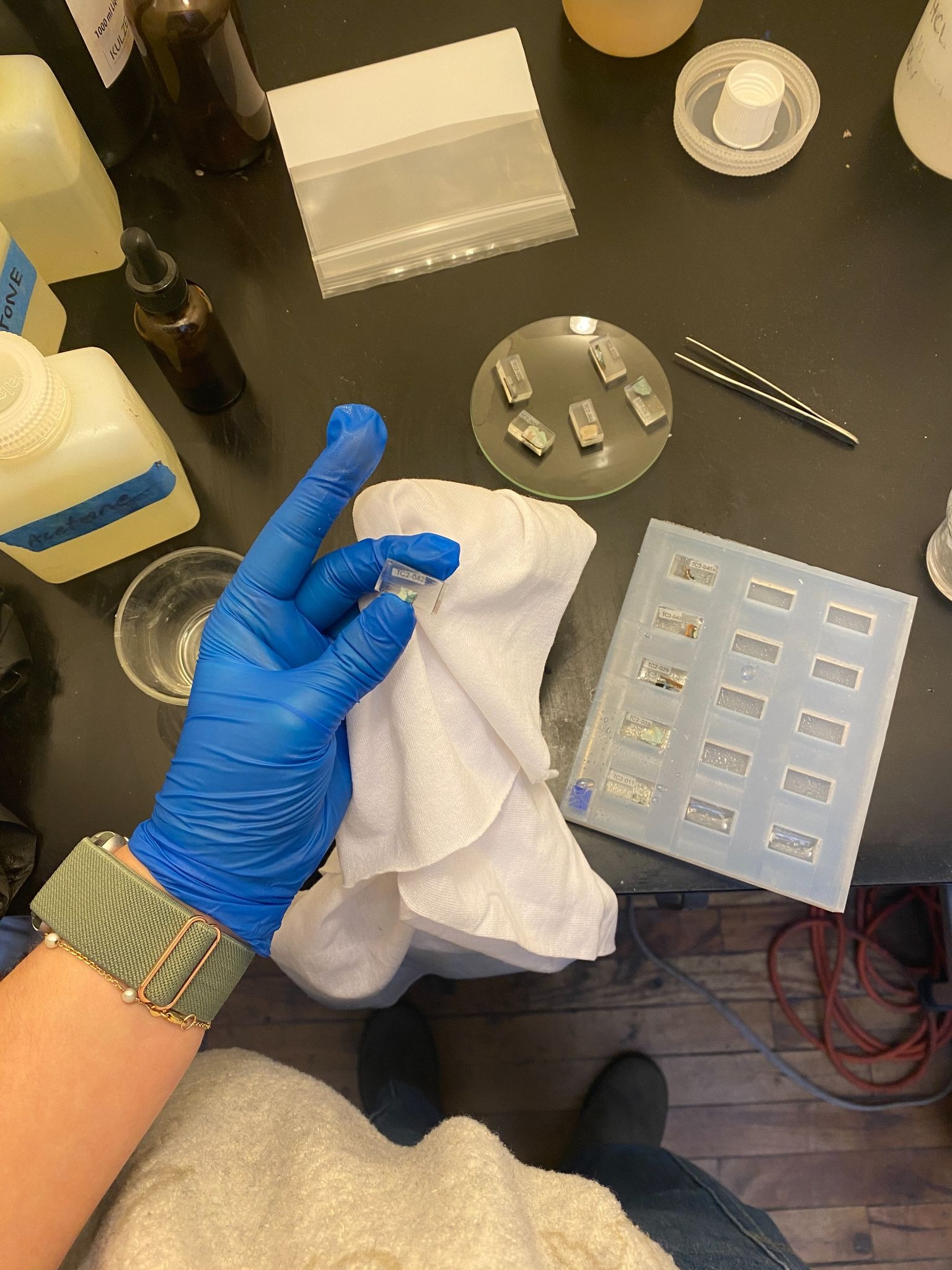
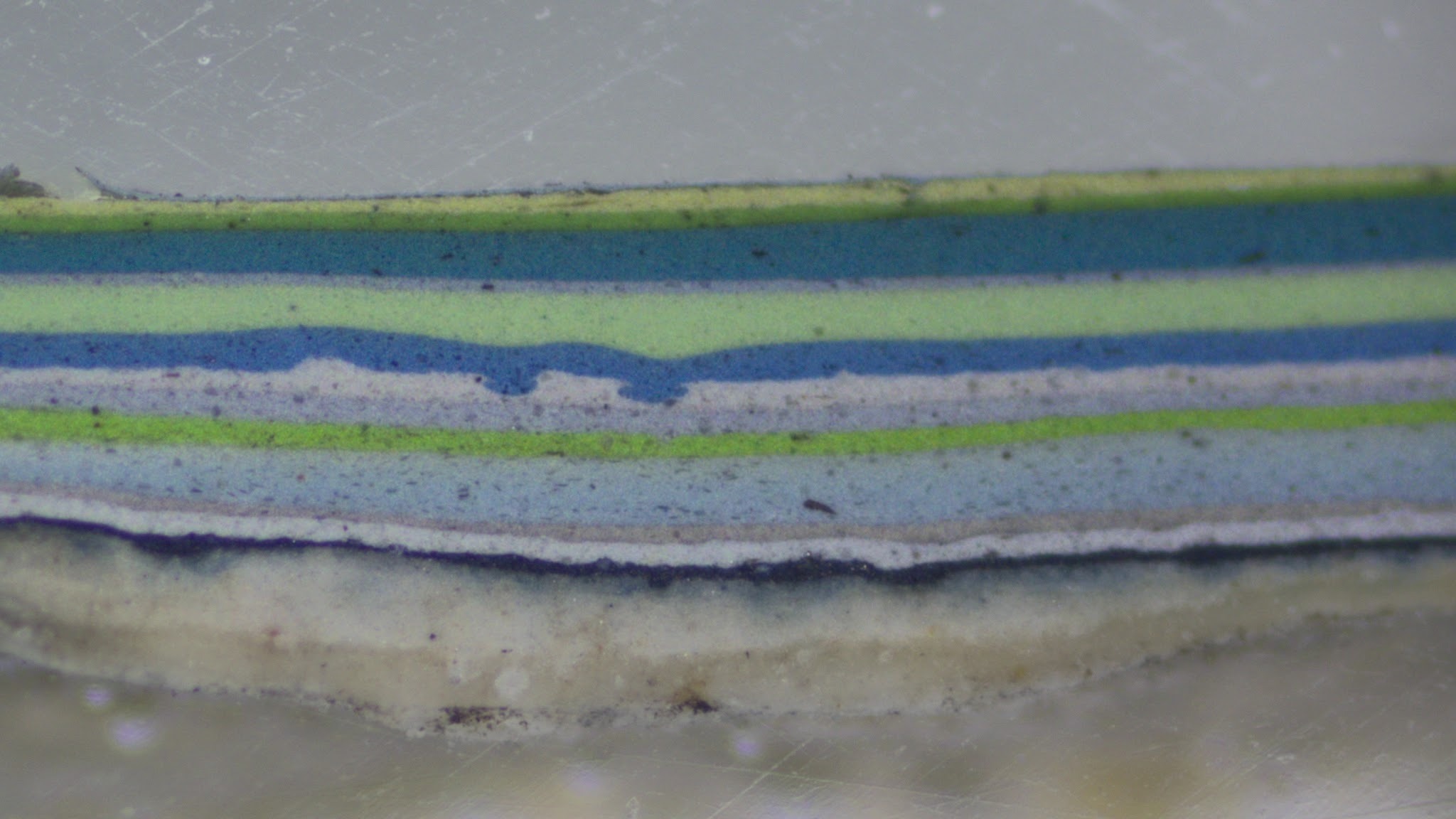
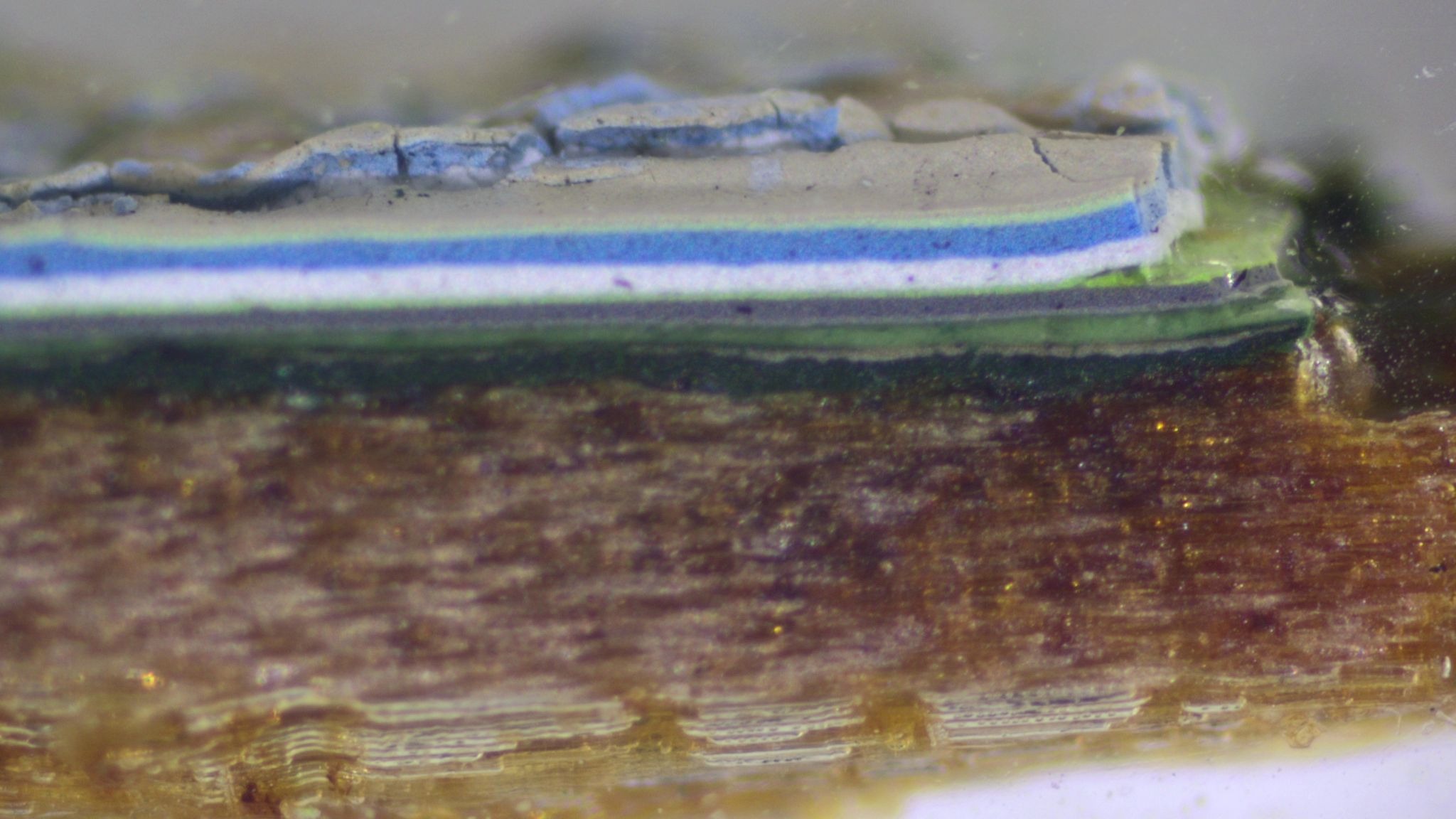
Paint Microscopy Studying Haint Blue Paint Samples
More interestingly and arguably more importantly, is that beyond initial blue layers created with historic pigments, the tradition of painting certain architectural areas blue continued on until these buildings were abandoned. Blue and green layers appear over and over again across time, from the 19th century far into the 20th century, especially in Tabby Cabin #2 on Ossabaw Island. As enslaved people and their descendants lived in former slave houses, many until the late 1980s and early 1990s, they carried on the blue painting tradition.
Although scientific studies have proven that Haint Blue was likely never made with indigo pigment, it seems that Haint Blue was never about pigment in the first place. Instead, the color and its application onto door frames, window frames, and eventually porch ceilings is what is important. In telling the stories of these building elements and their connection to spiritual protection, perhaps repeating the story of indigo is a narrative choice meant to tie Haint Blue to American slavery, lest people forget why African people were in the Lowcountry to begin with. When forces of commercialization and appropriation have tried to pull the color away from its enslaved and the Gullah Geechee pasts, indigo has brought it back to the islands.
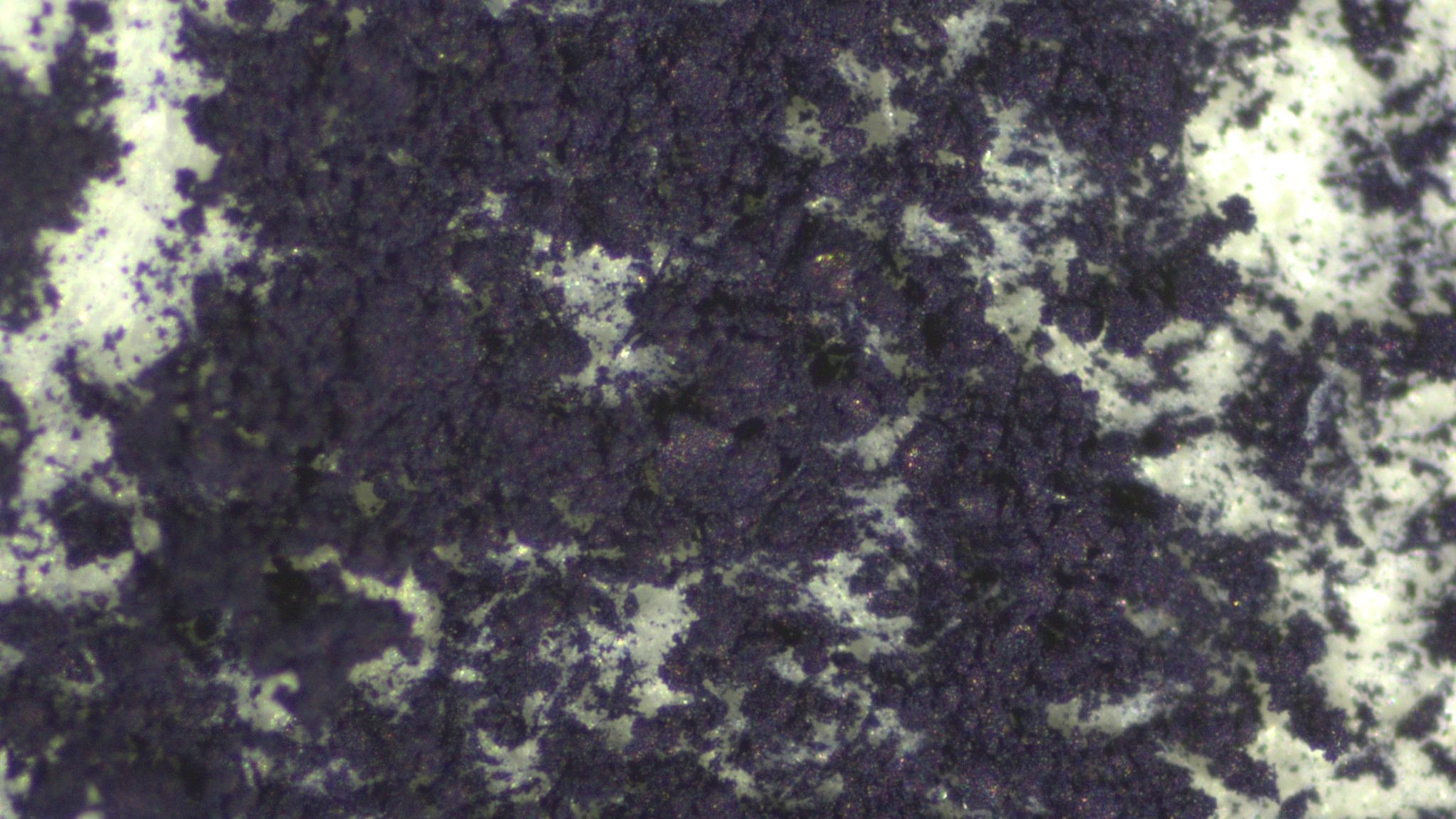
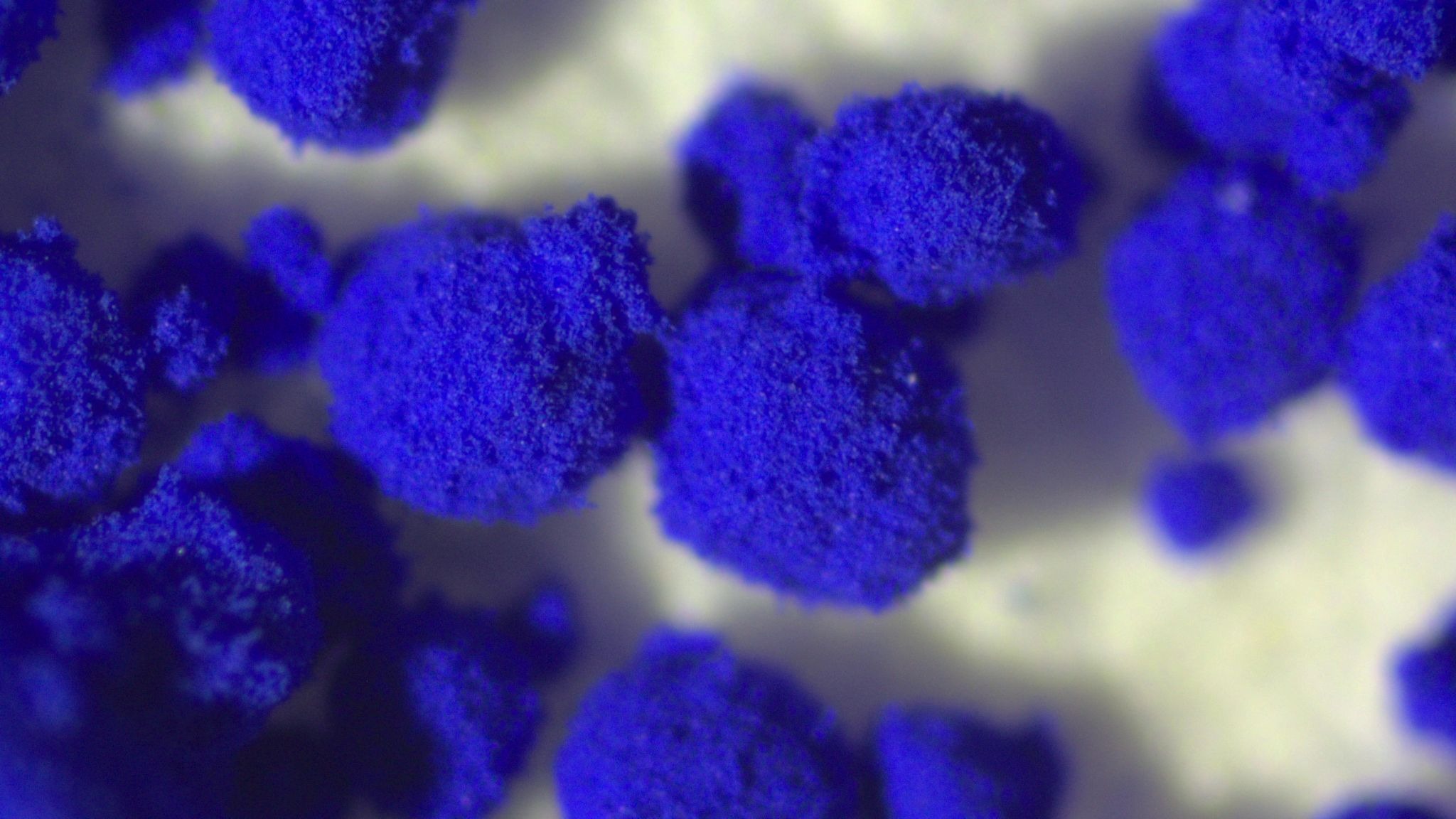
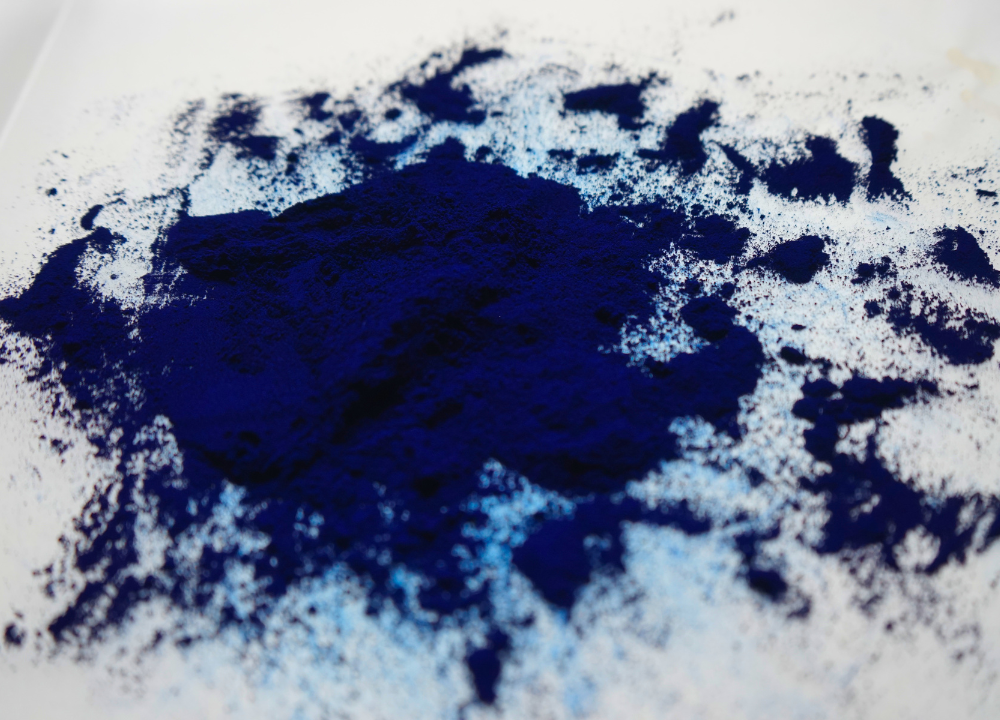
By consistently repeating that the color was made with indigo—which was grown and harvested through back breaking labor of people taken from their African homelands and forced to work on isolated Sea Islands—the color is tied to its origins. Indigo makes African and Gullah Geechee survival central to Haint Blue’s story. Even though indigo may not have been the ingredient used to make the spiritually important blue paint for a variety of reasons, such as access, lightfastness, and more, it is no less vital to the story of Haint Blue. Rather than seeing indigo as a mistruth in the story of Haint Blue, it is instead a detail that should be celebrated as it consistently brings the color back to its origins. As people in the present continue to carry on the tradition of Haint Blue, it is not that they should no longer mention indigo; instead, they could say other pigments, such as Prussian blue, emulate indigo and its connection to slavery, rather than saying Haint Blue was historically made with indigo pigment.
Ultimately, Haint Blue, no matter its shade or pigment, is certainly an important practice in the Lowcountry, with blue emblematic not only of spiritual traditions but also of cultural resilience and survival. The consistent transmission of this cultural practice has survived beyond enslavement, beyond Jim Crow laws, beyond the Civil Rights Movement, beyond migration from the Sea Islands to the mainland, and so much more. Emphasizing this survival is important. The color sparks interest today because of its past and its continuation against all odds. Moreover, interest in the color has permeated writing since at least the 1930s, regardless of pigment. In the 21st century, interest in the color increased dramatically. In the face of assumptions and misinformation, my thesis work on Haint Blue is not meant to disregard any stories of Haint Blue. It began as a pigment investigation, but it has become so much more.
By continuing to study the architectural survivors of enslavement in the Lowcountry and putting them into conversation with literature, community engaged research, and previously completed paint studies, Haint Blue can be better understood. More generally, by continuing to study architectural finishes, the stories of people who have been left out of or even erased from architectural narratives can be brought to light and preserved. These people and their touches on buildings, whether it is with blue paint or otherwise, are important, and it is high time they are studied and presented as such.
✶
To read the abstract of my thesis about Haint Blue, click here. To request the full text of my thesis, contact me here.
 sophiehaswritten.com