I am a storyteller committed to preserving the past while looking to the future, knowing that stories—whether they are told through buildings, items, or people—need to be shared truthfully.
Here is a timeline of my path in preservation. Each experience has built on the last, shaping my preservation practice and interests.
✶
2021.
After attending Clemson and College of Charleston’s 2021 Historic Preservation Summer Institute, where I began learning how to interpret and analyze built works while also revealing their complicated histories, I realized my passion for Historic Preservation and knew it is the next step for my academic and professional career.
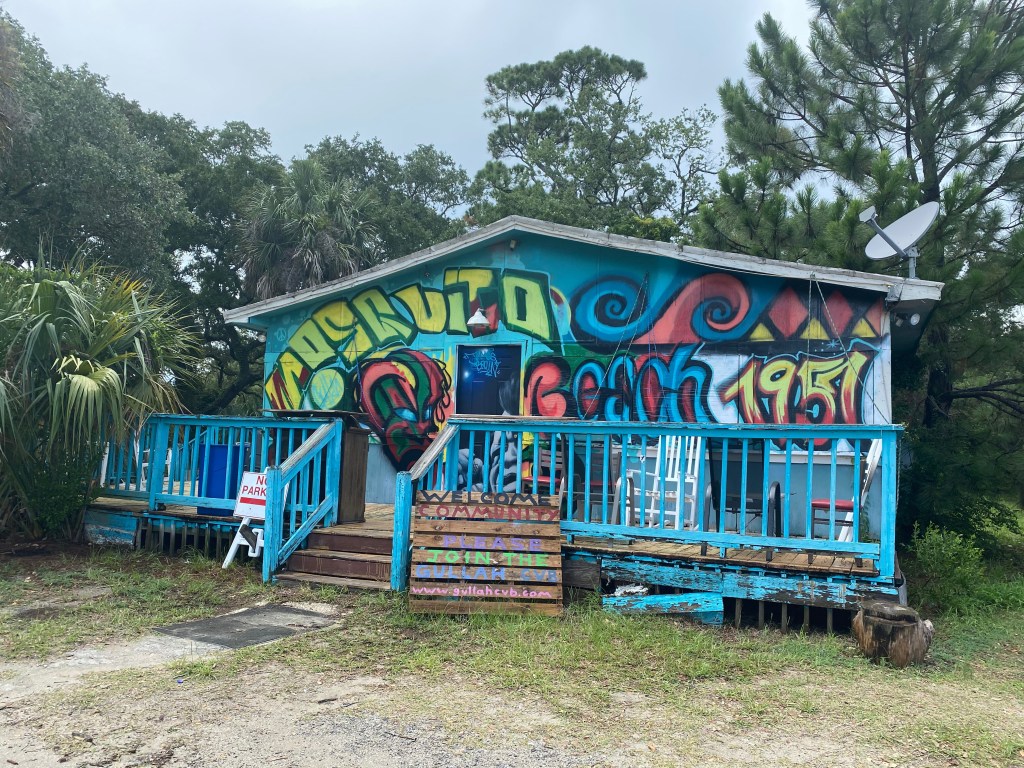
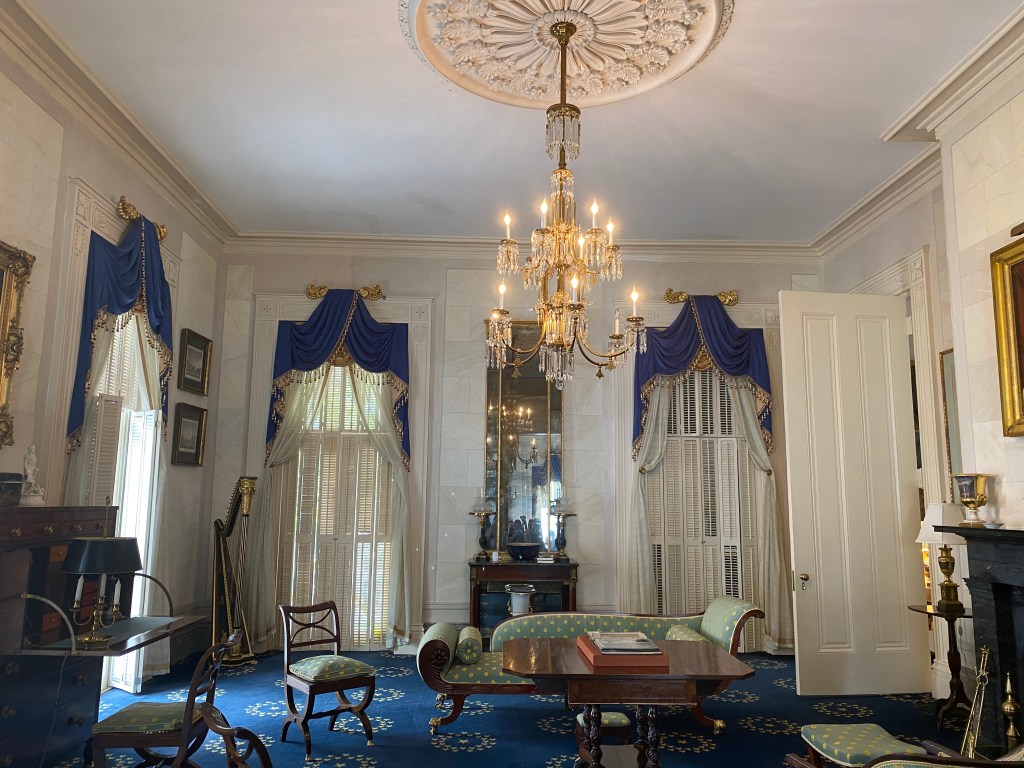
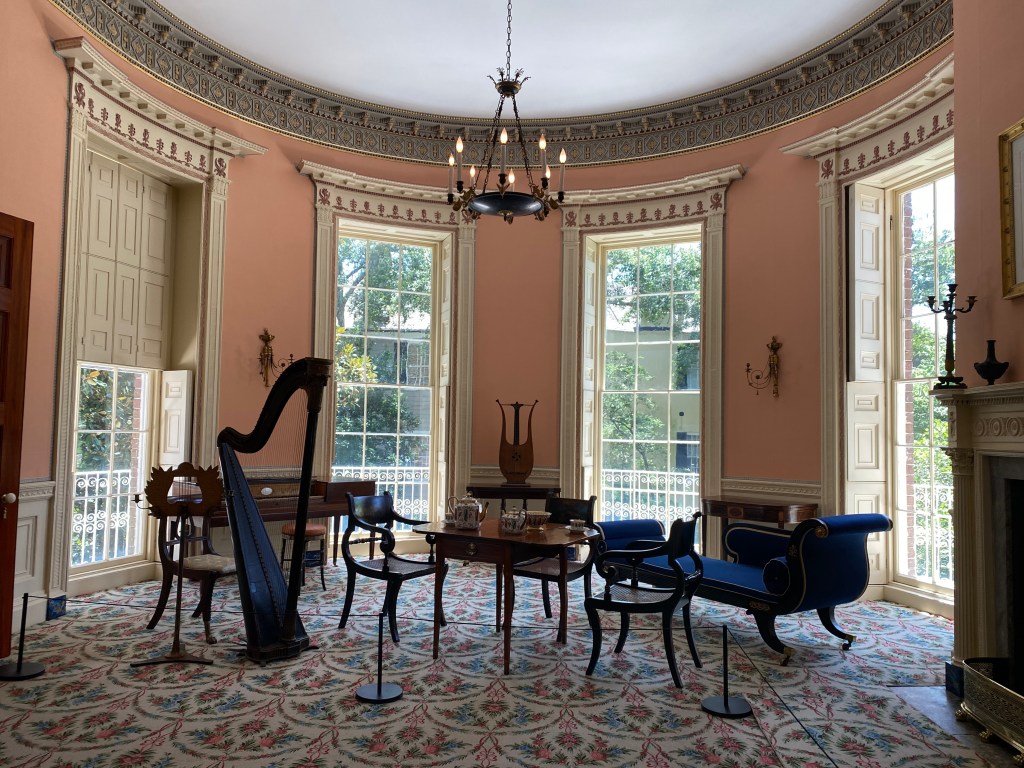
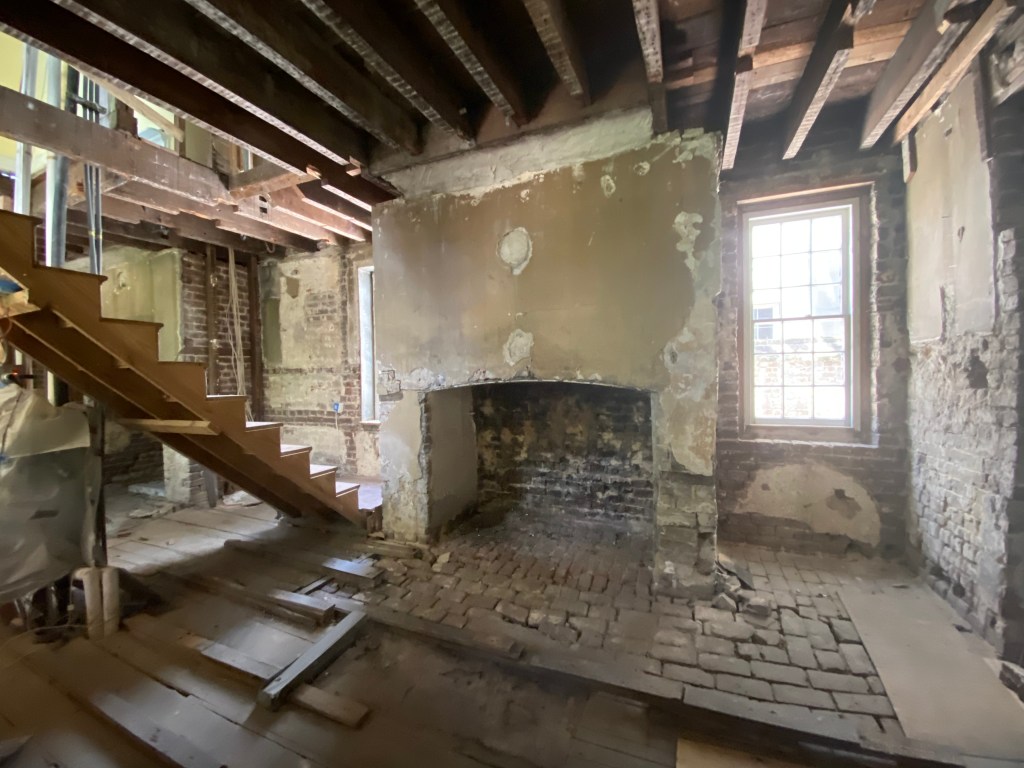
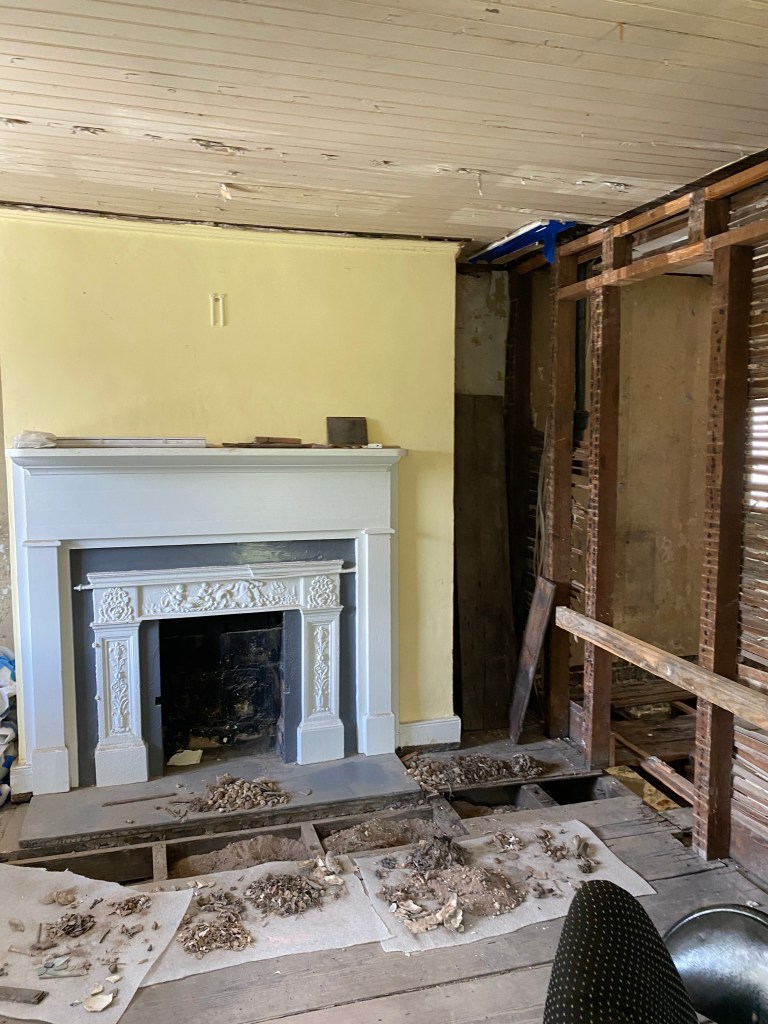
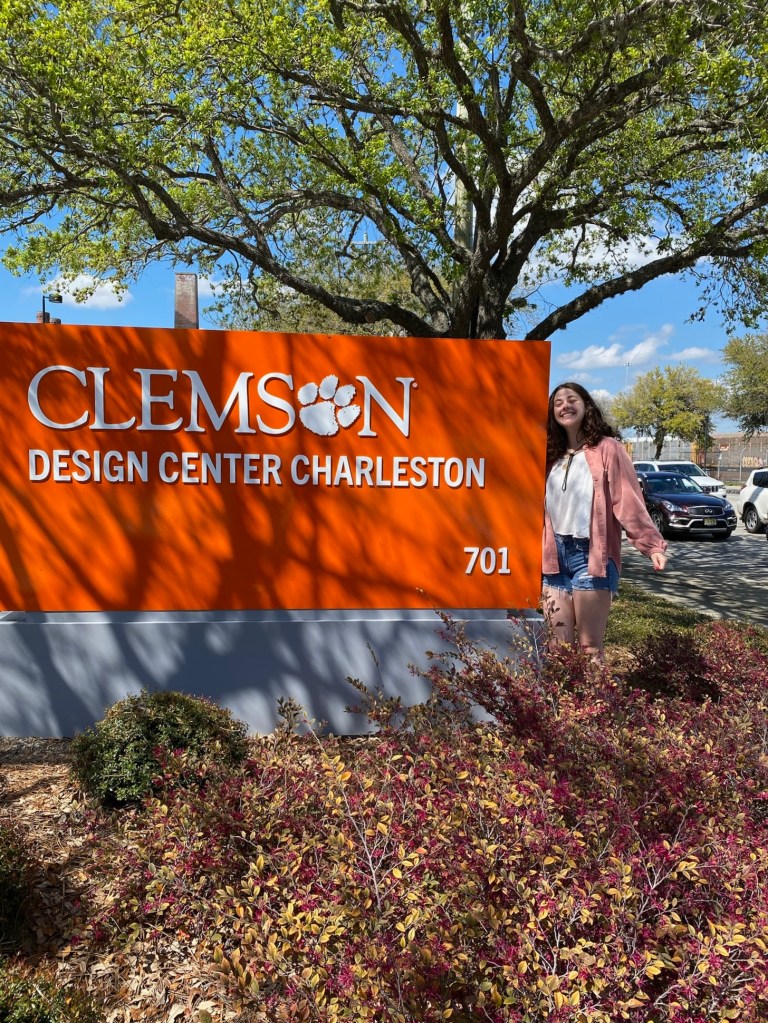
Some Images from the 2021 Summer Preservation Institute
✶
2022.
In March 2022, I went on a road trip across the American South, visiting sites of enslavement. My focus was to gather information on these sites to later be able to reveal their hidden histories and shift their focus to the enslaved people who lived and worked at these places. Many plantation sites center the wealthy, white landowners that inhabited them, rather than those who actually built the grand houses and labored to make them wealthy. These places typically perpetuate a Lost Cause narrative, which I hope to change.
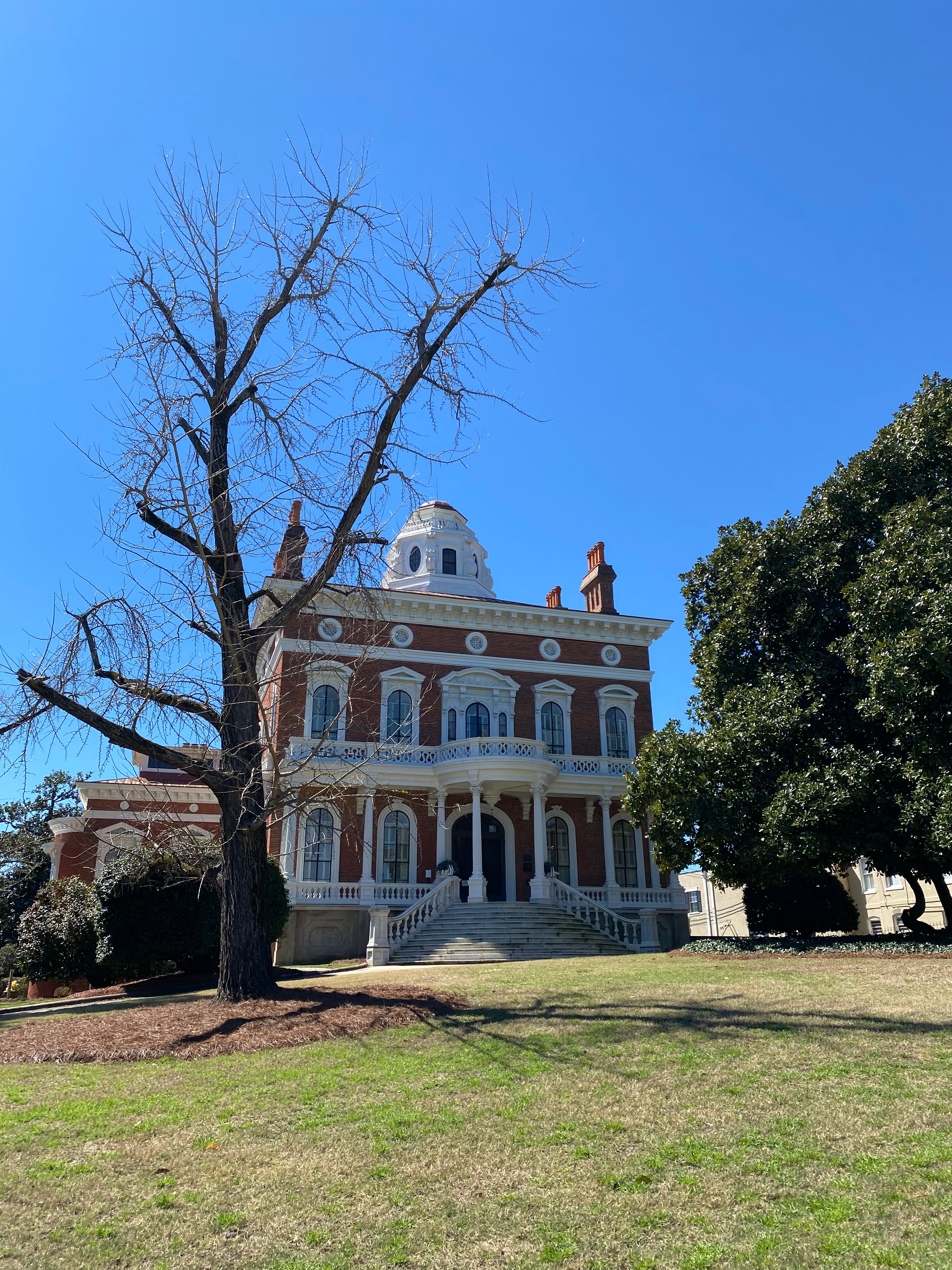
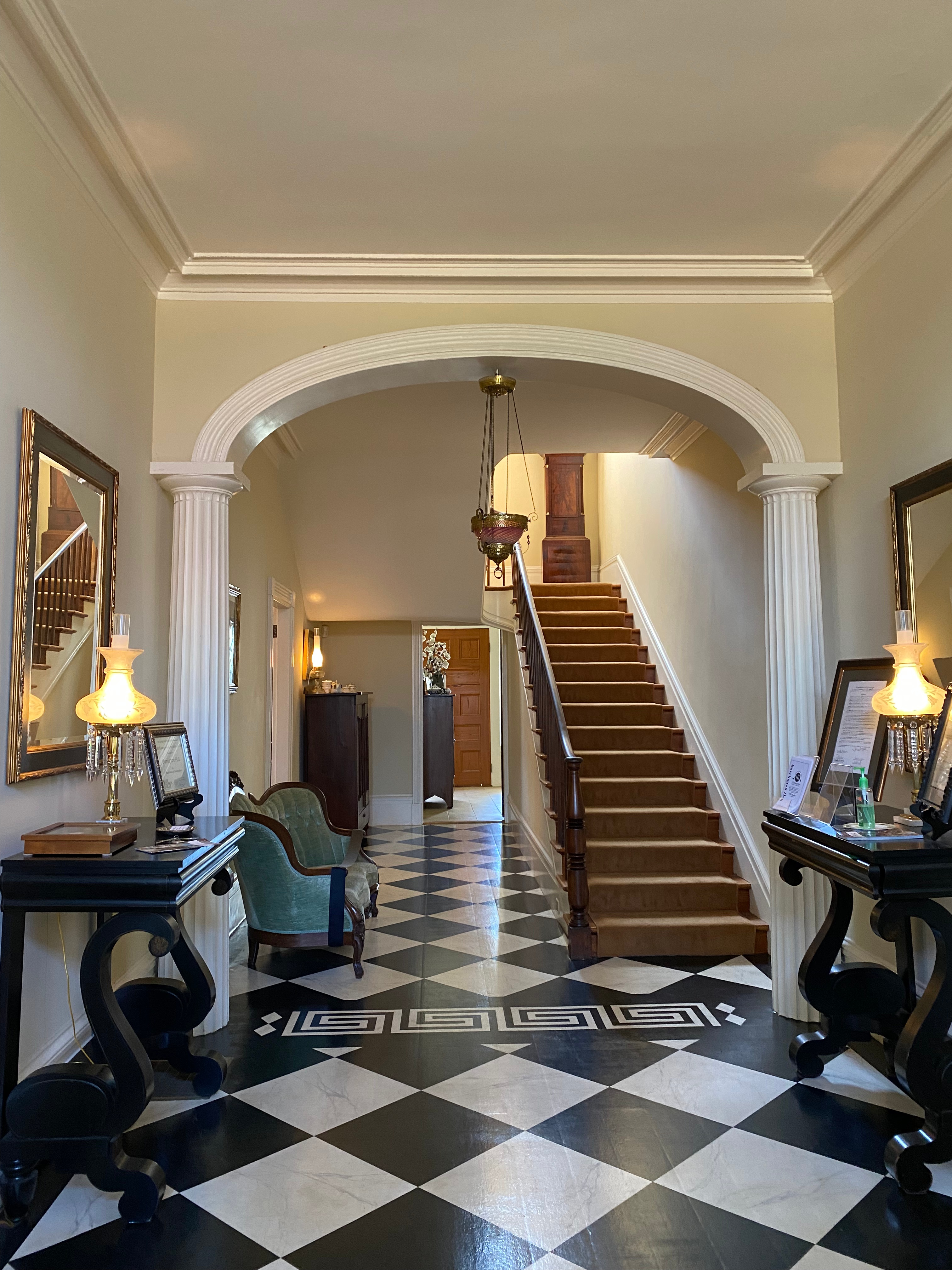
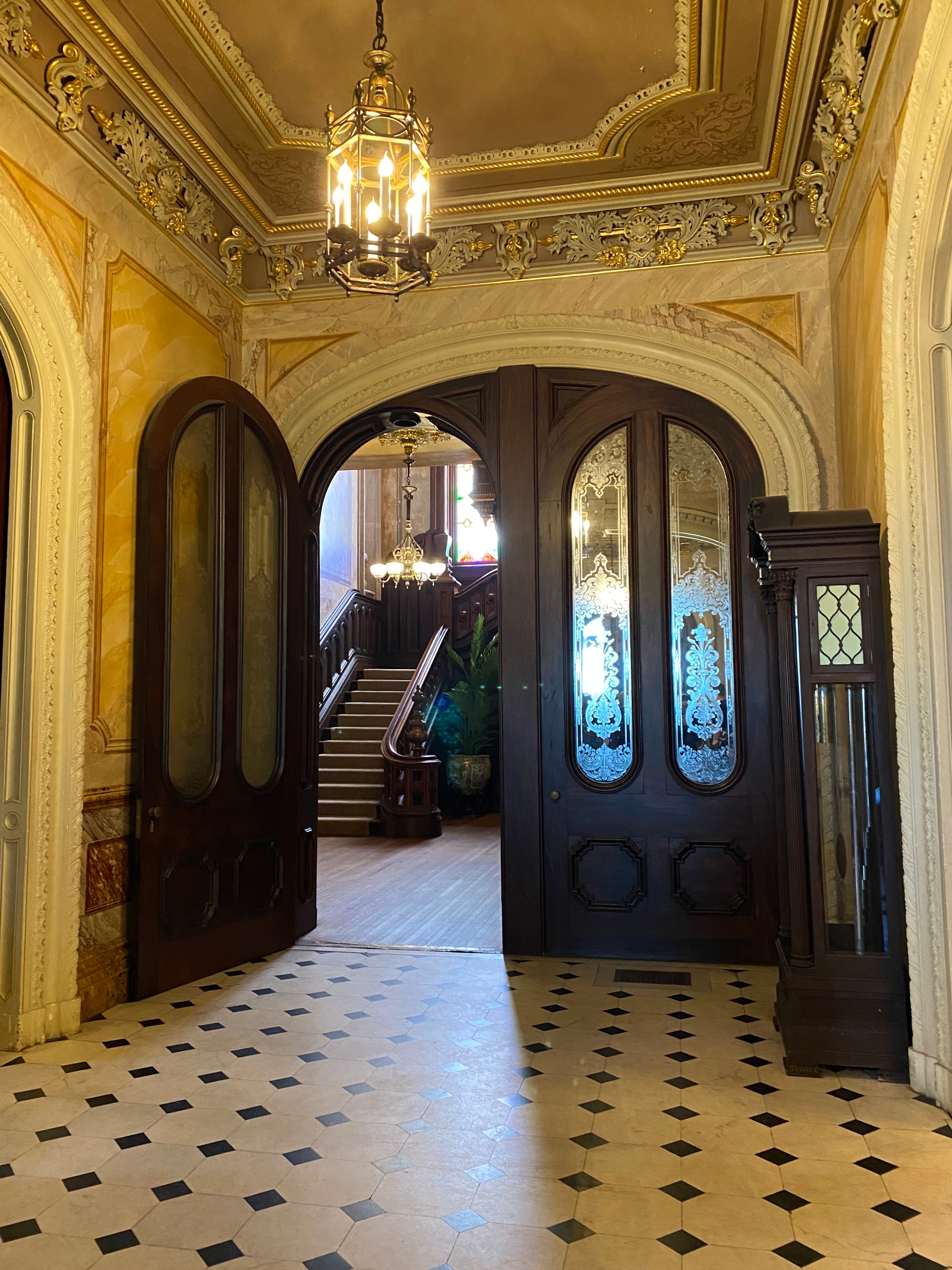
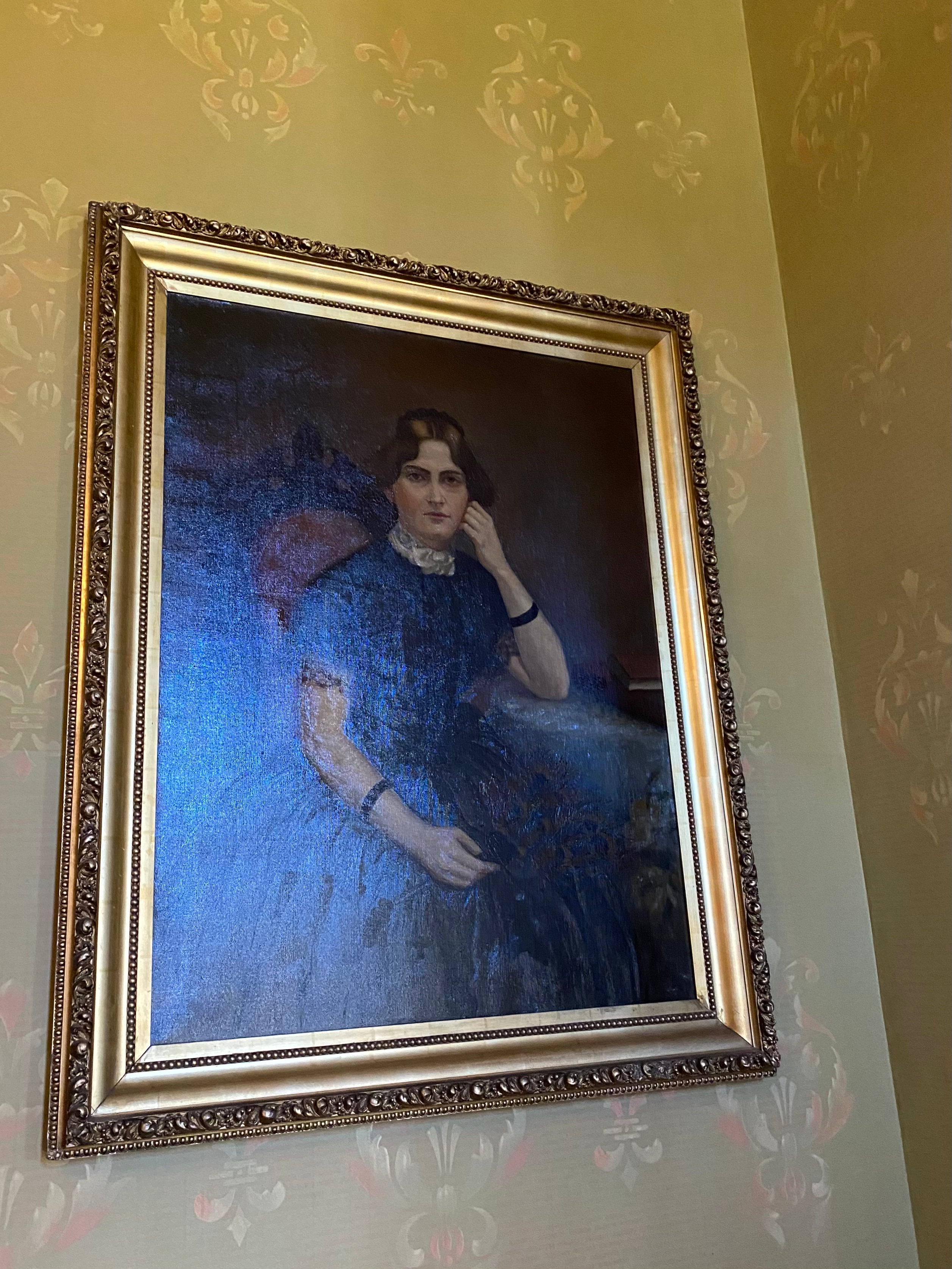
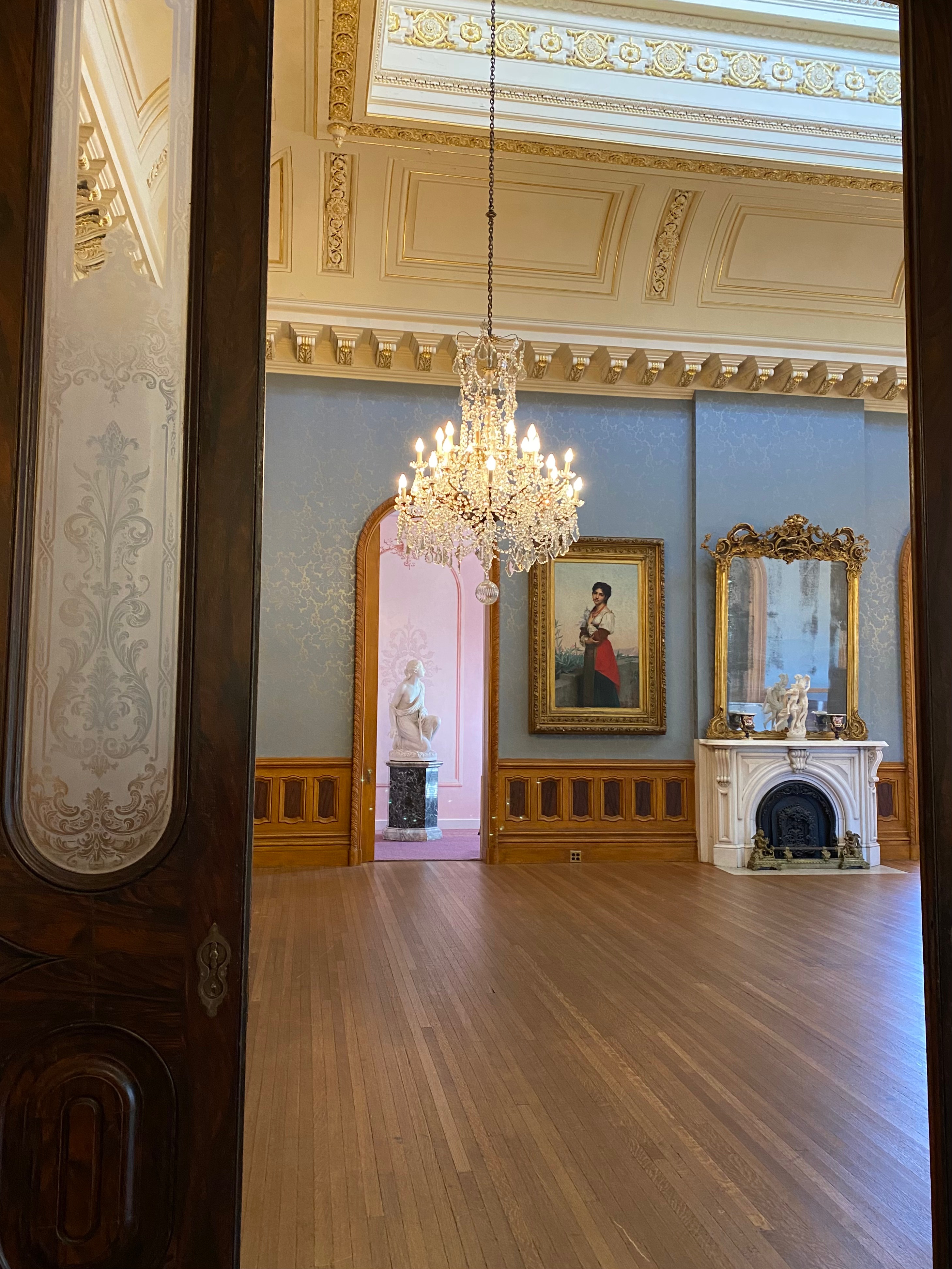
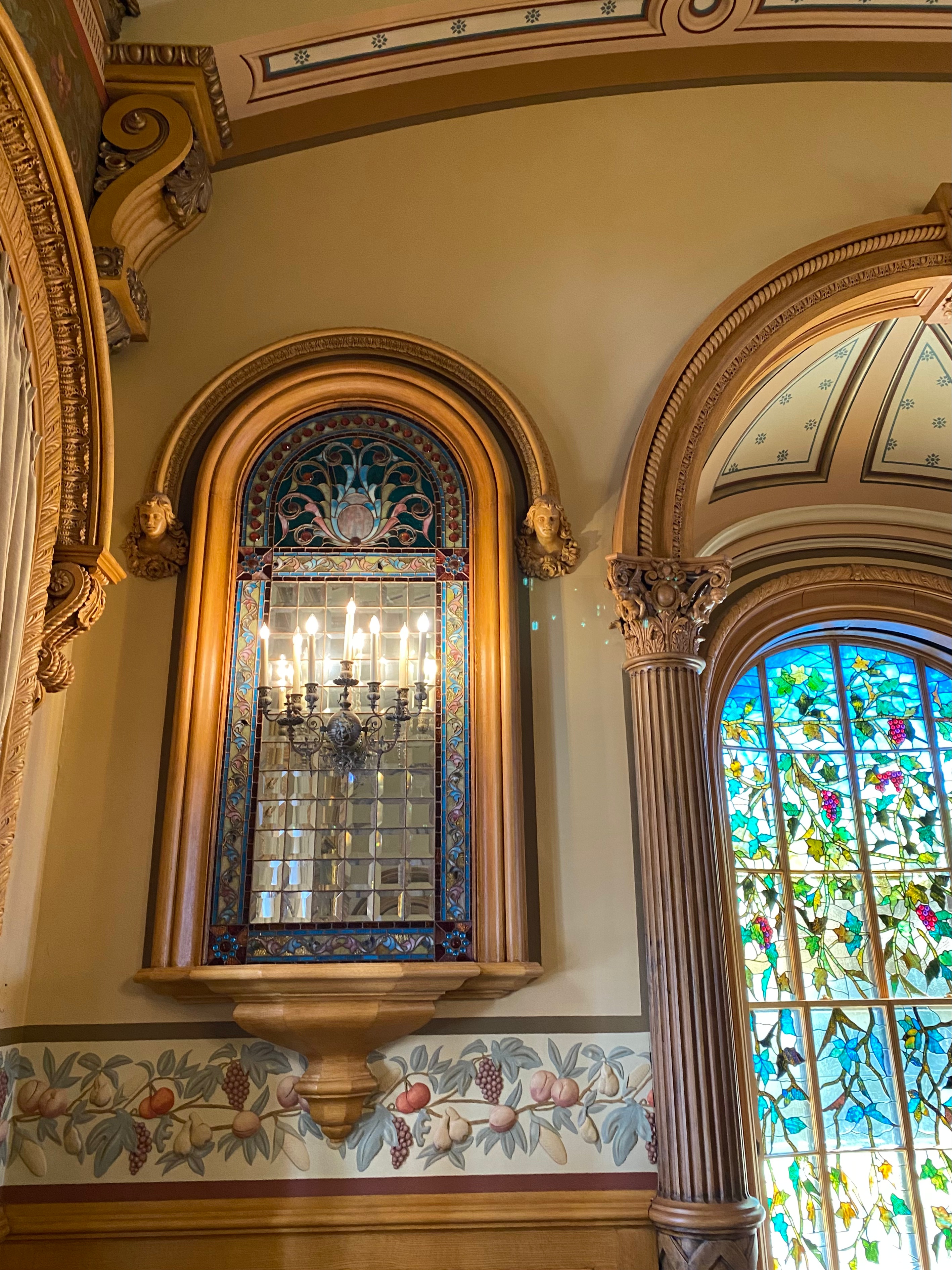
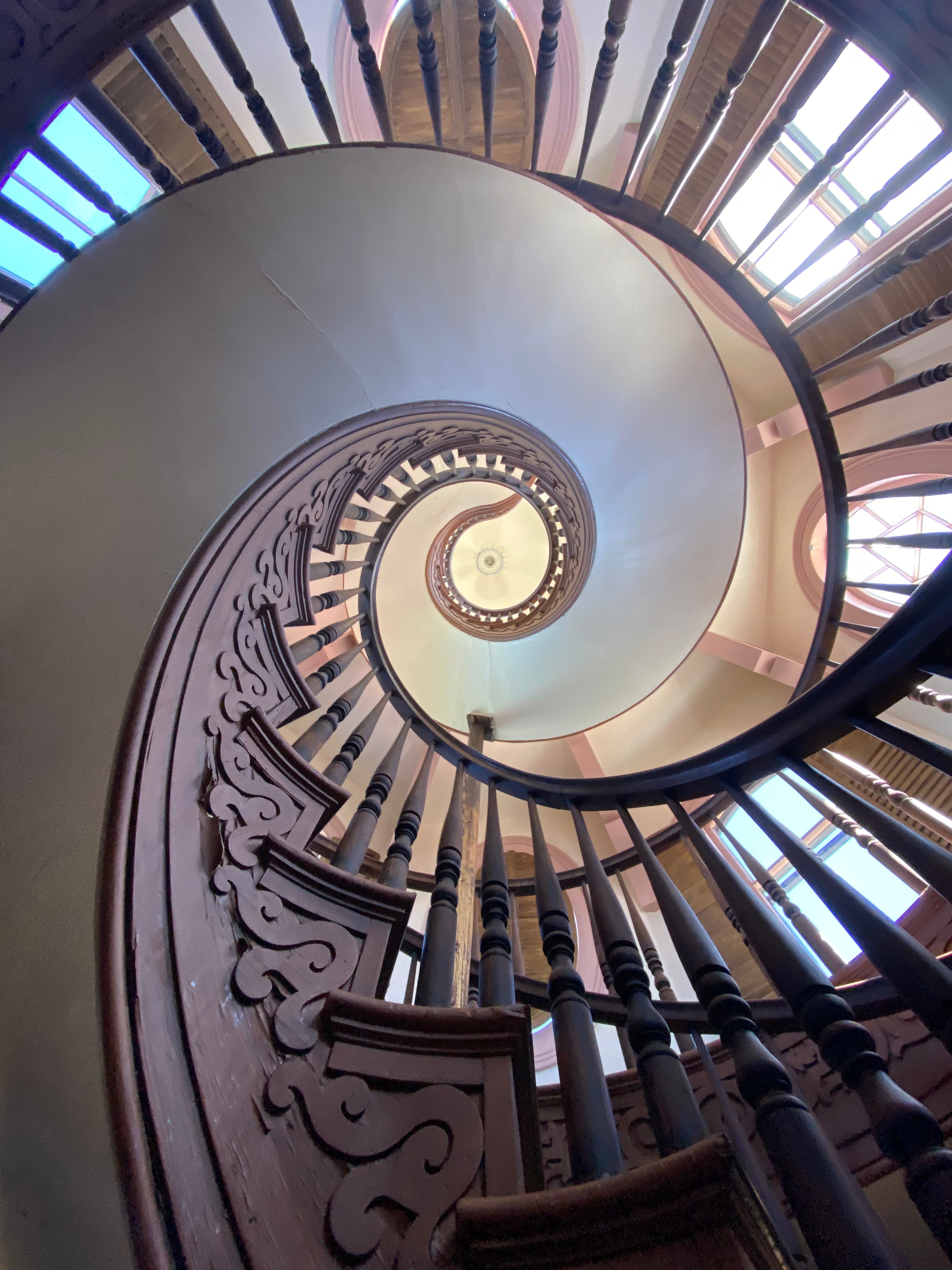
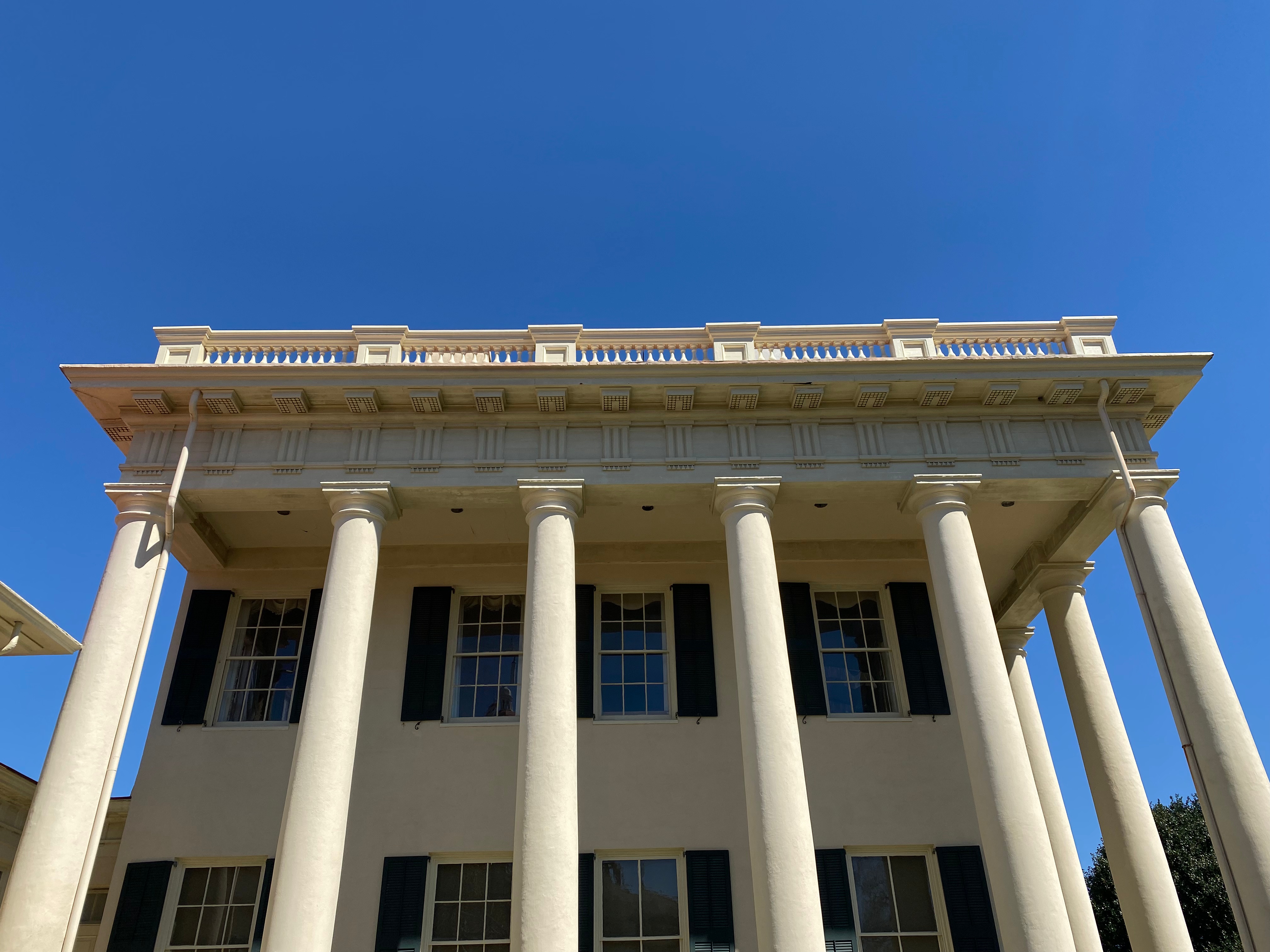
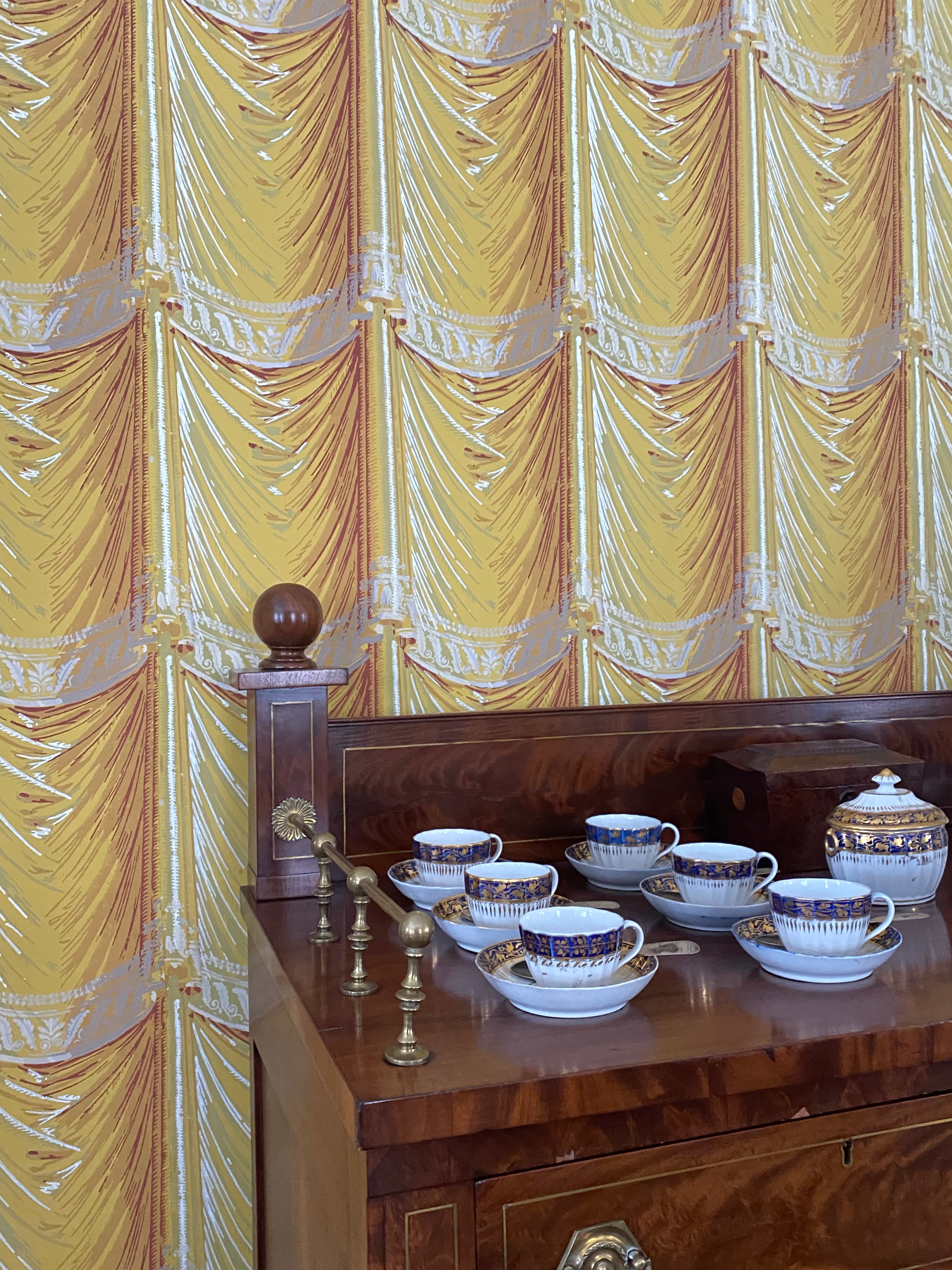
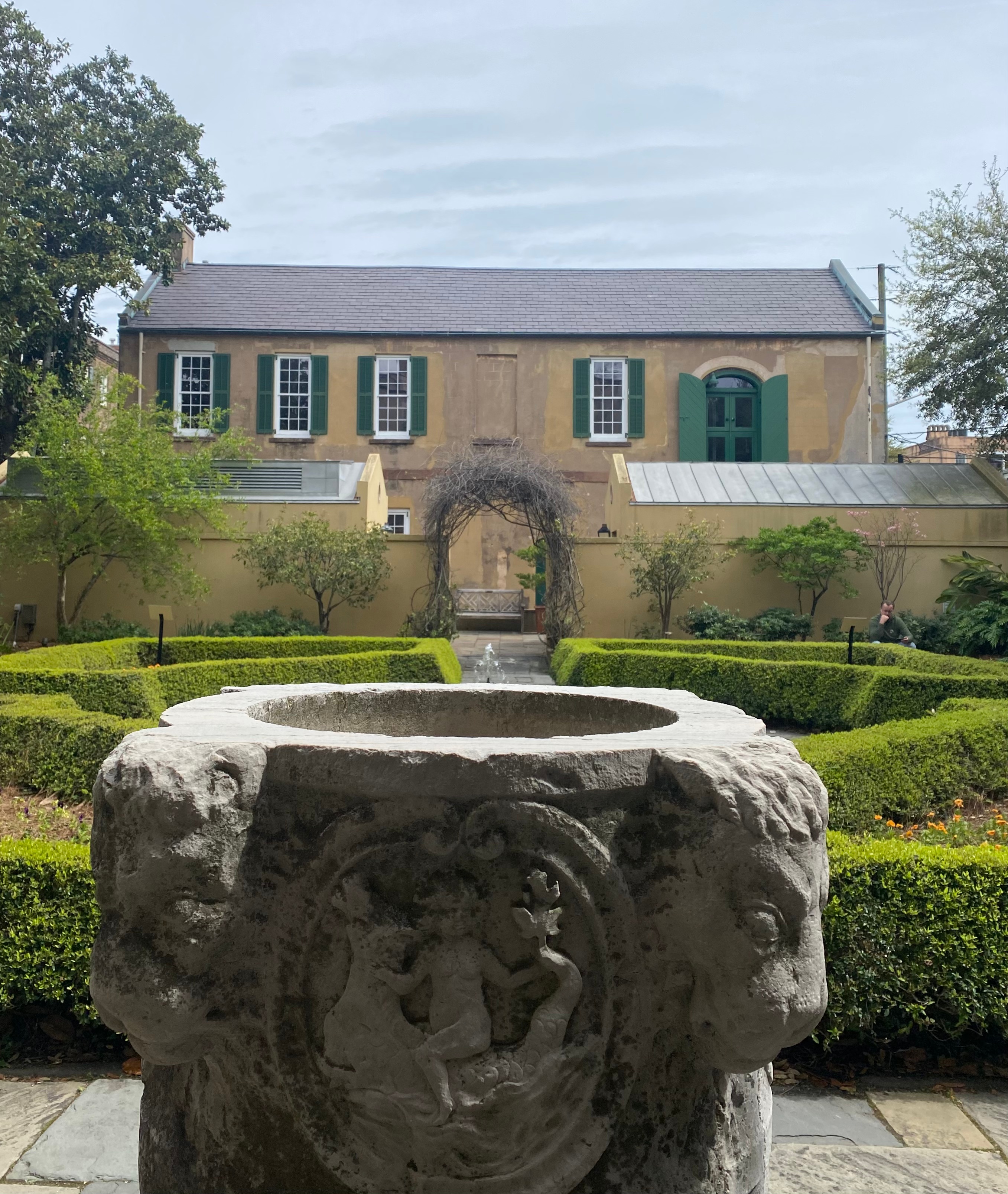
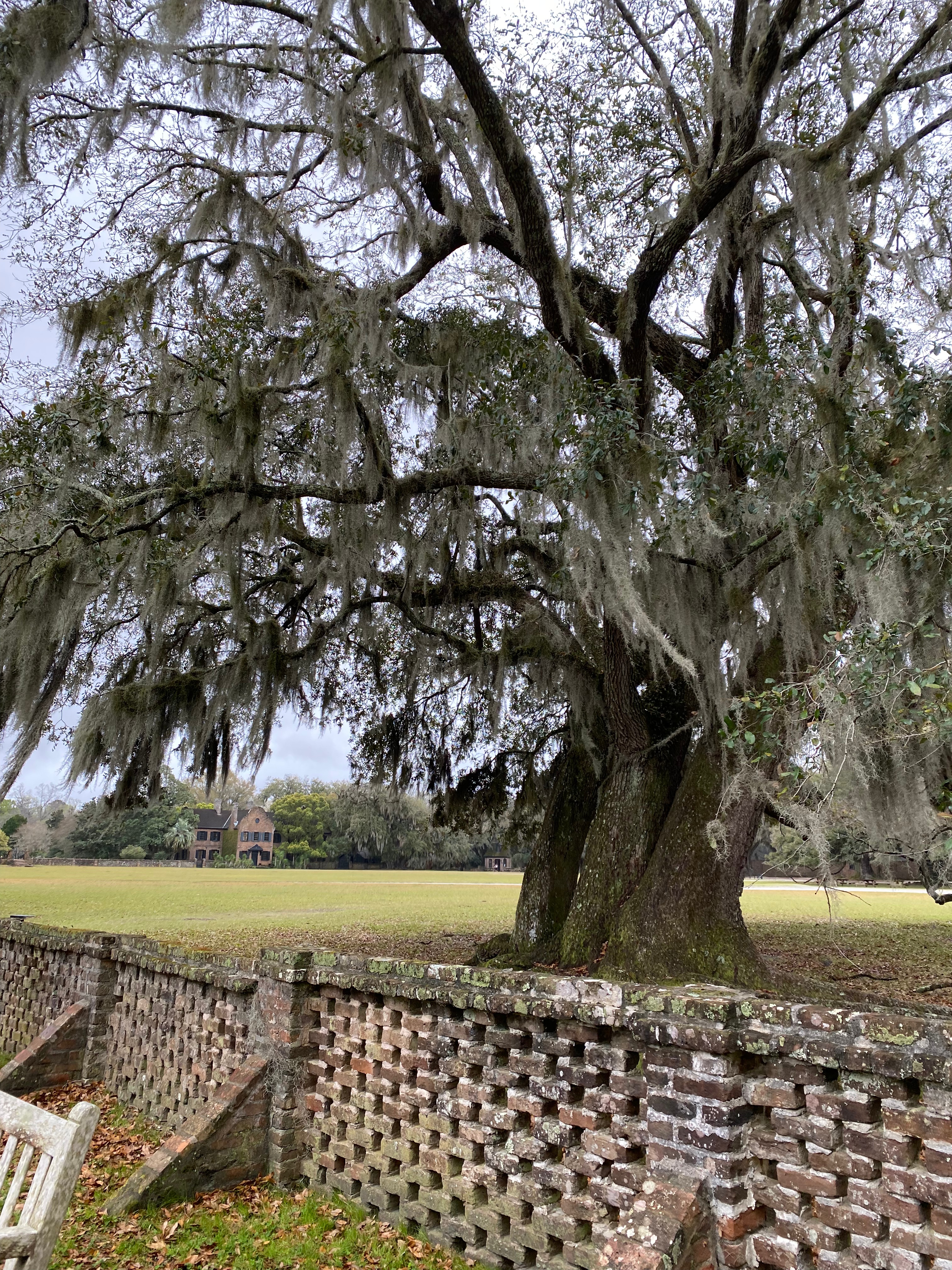
2022 Preservation Road Trip
In the summer of 2022, I worked as a research fellow for UNC Chapel Hill’s Institute of African American Research under the SLATE Initiative: Student Learning to Advance Truth and Equity. I spent the summer researching Haint Blue paint. I’d learned about this spiritually protective painting tradition in the foothills Appalachia, where I am from, but I quickly leanred that it originates in the Lowcountry. This research set the foundation for my graduate thesis at Columbia.
✶
2023.
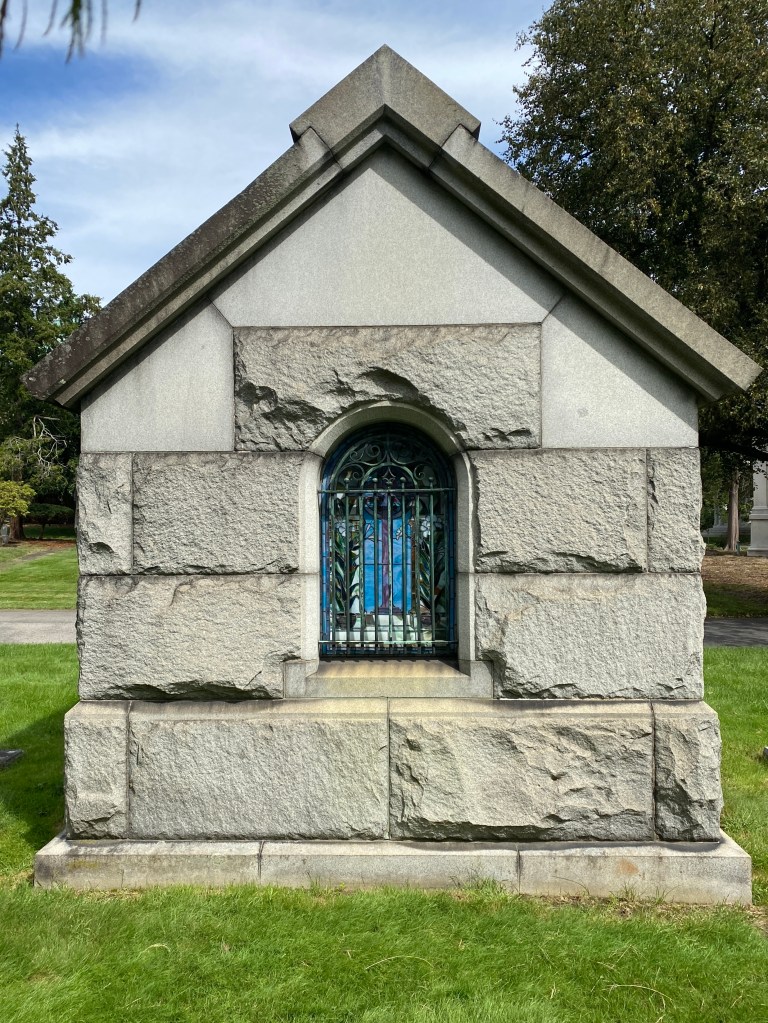
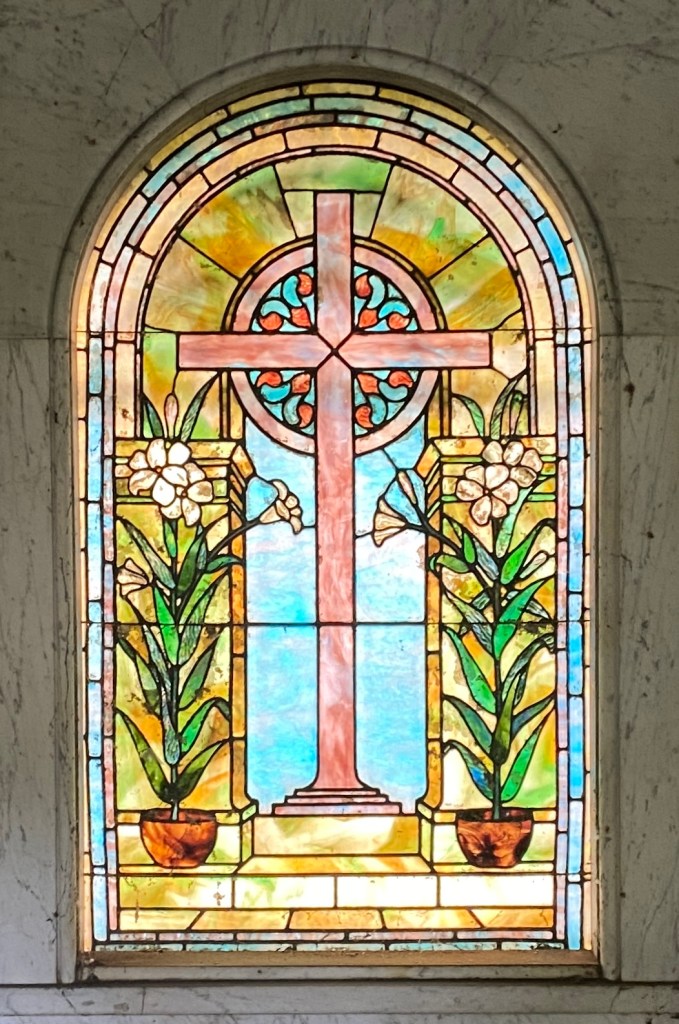
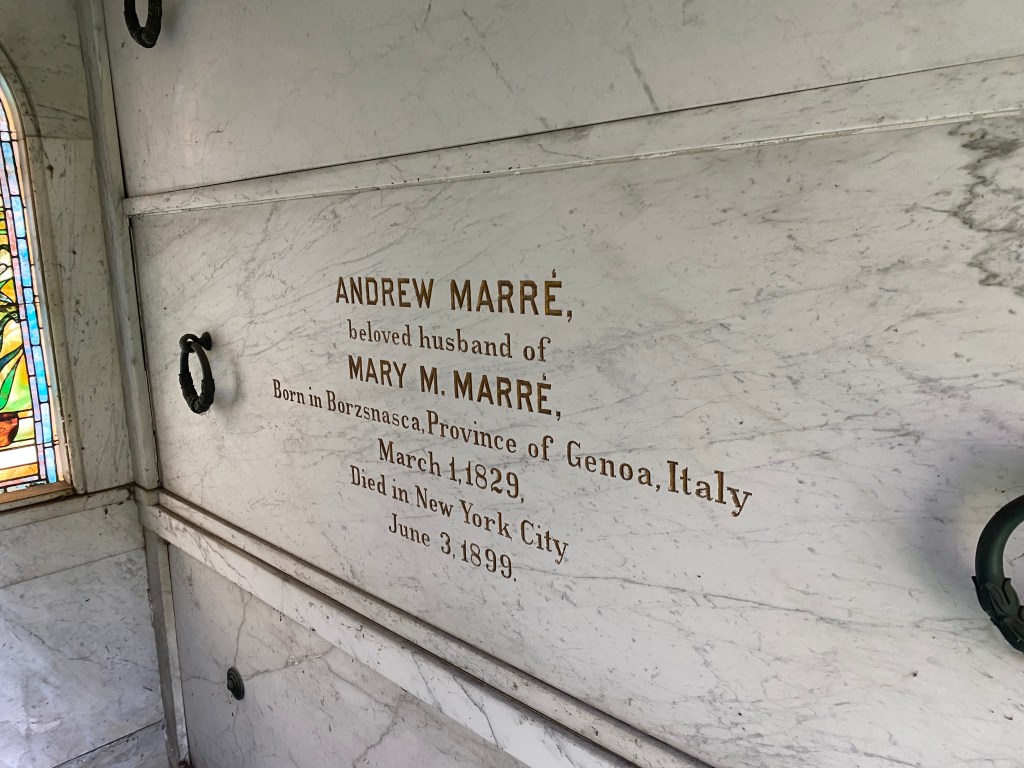
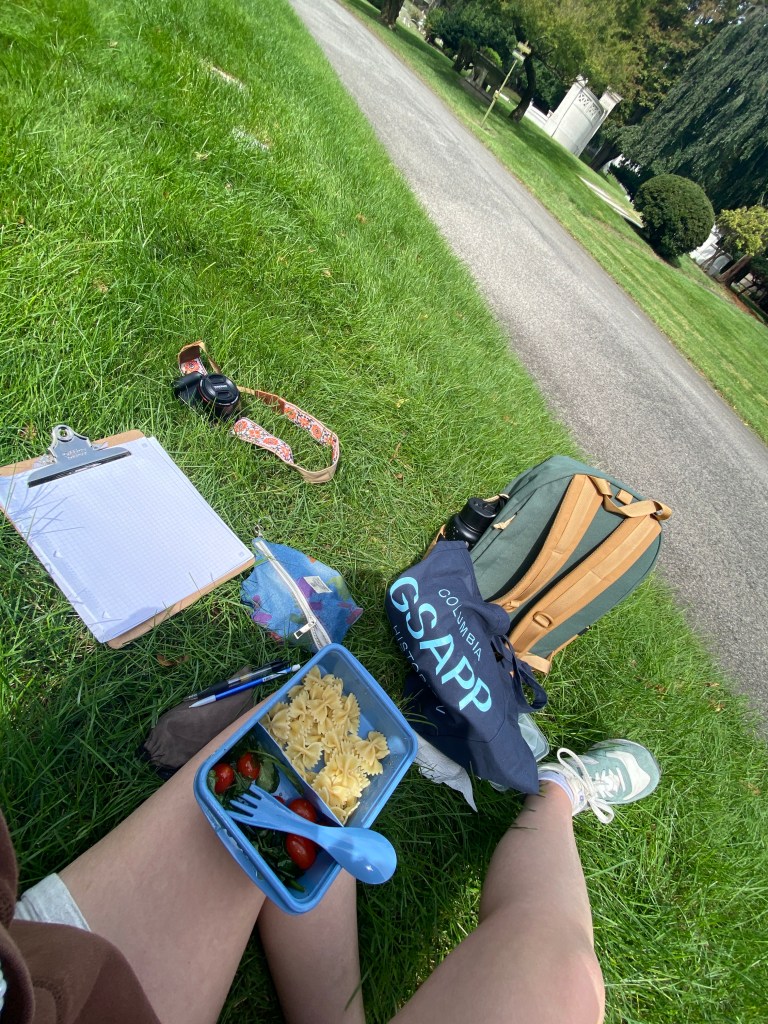
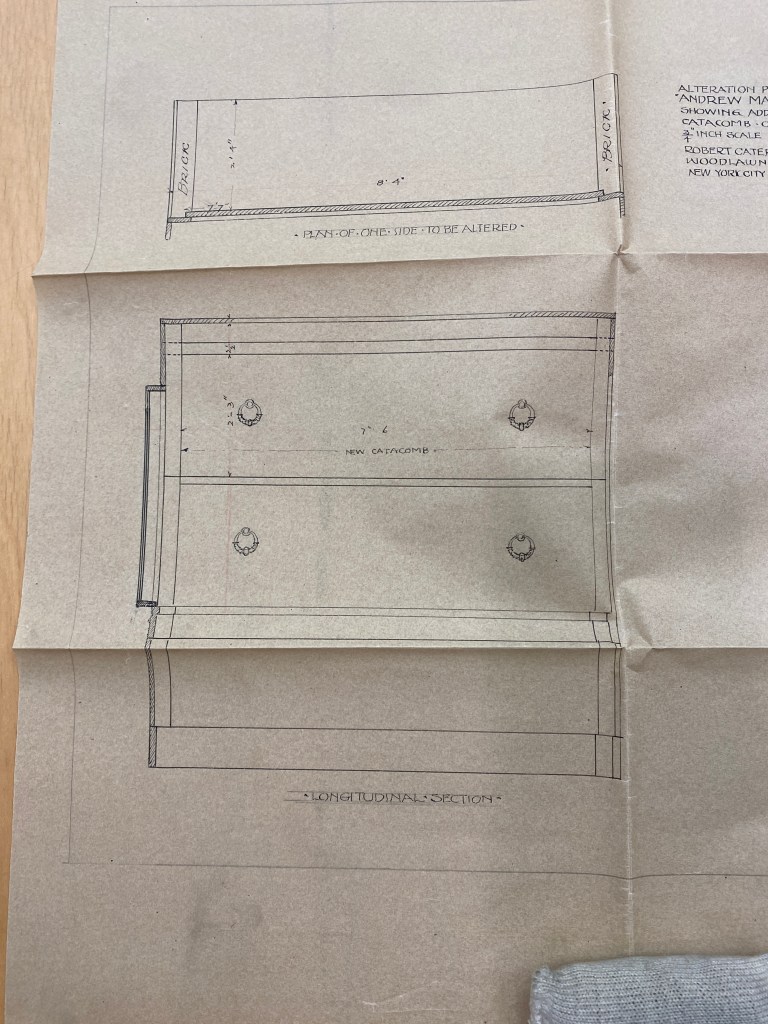
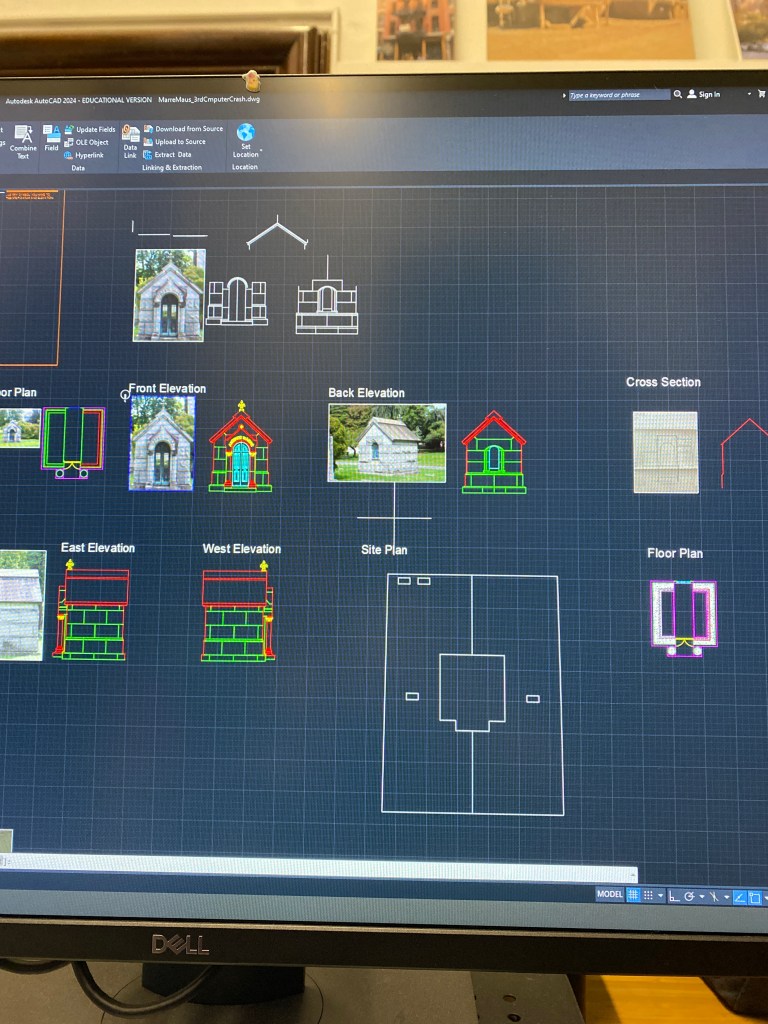
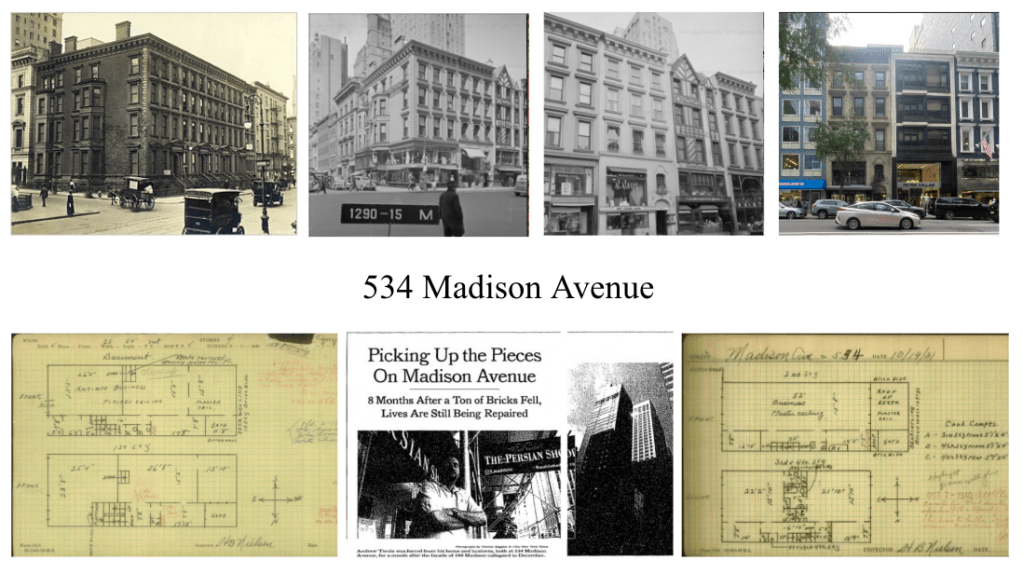
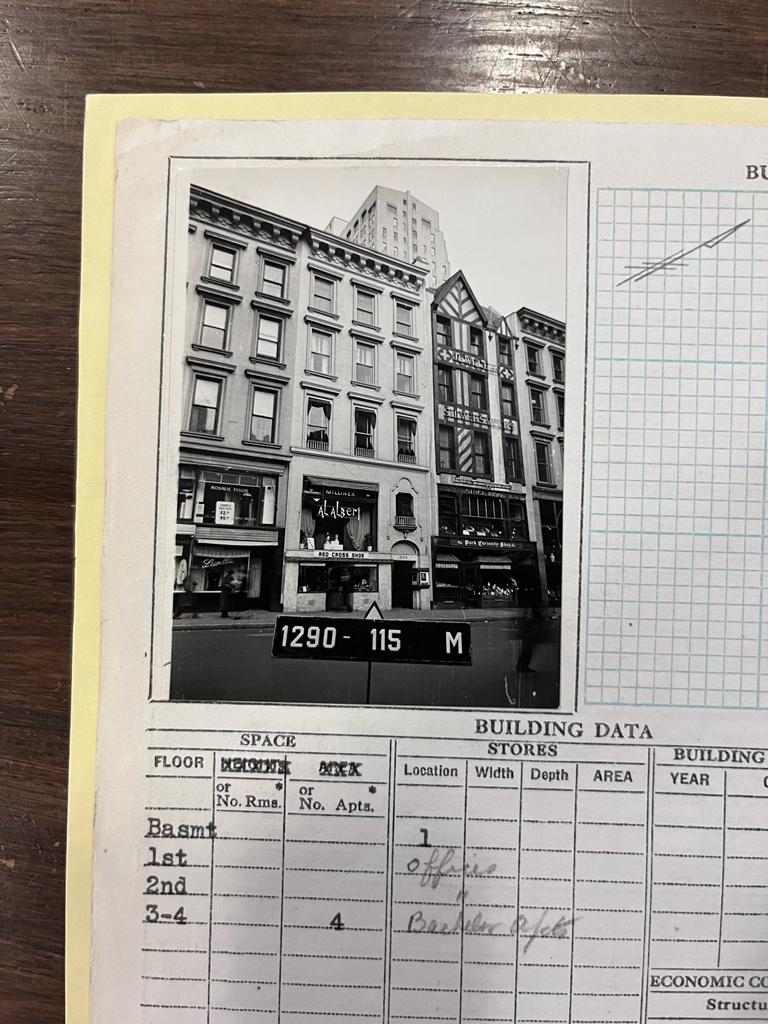
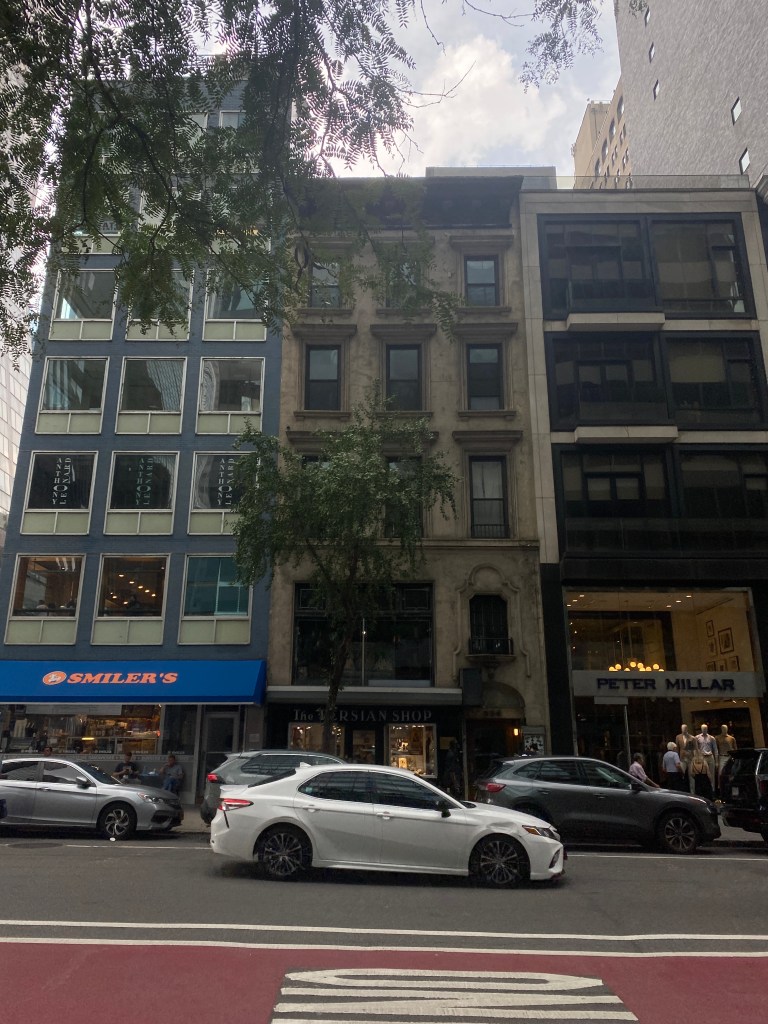
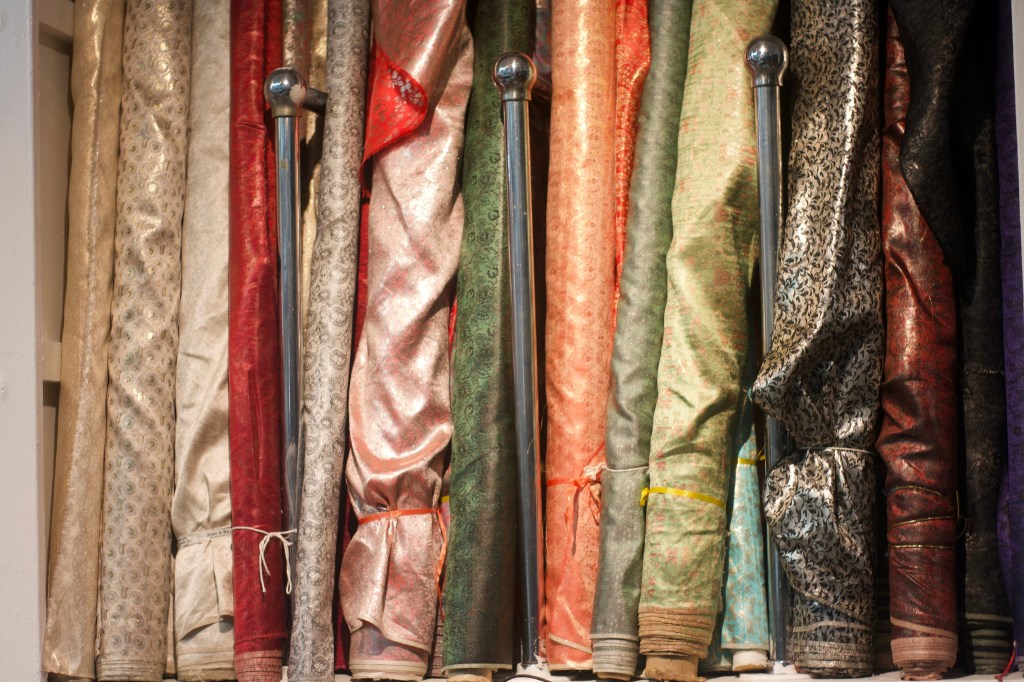
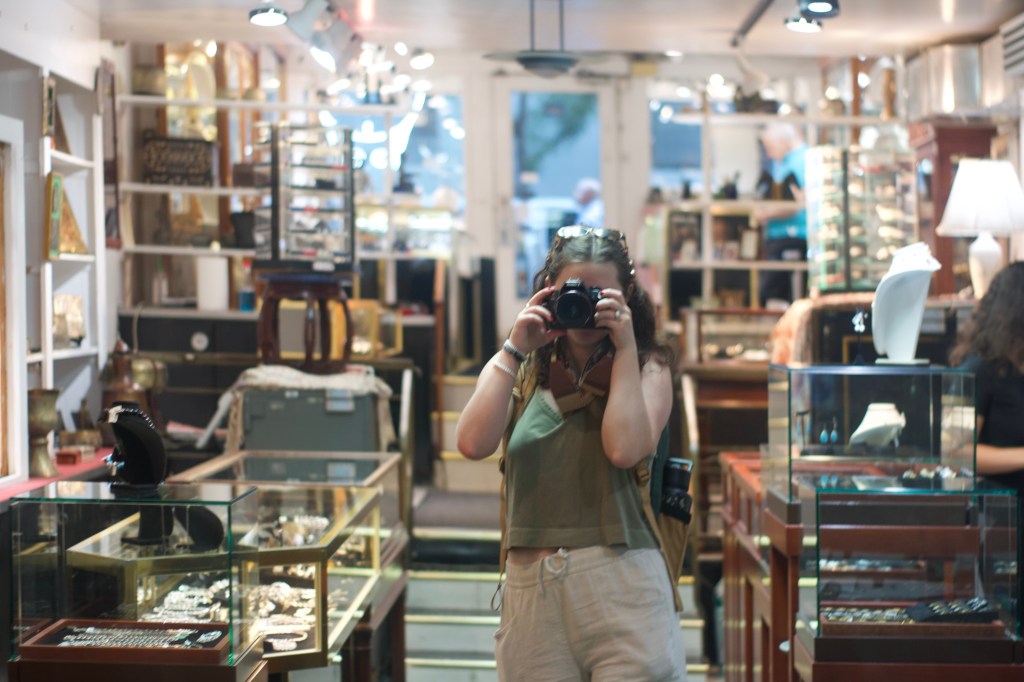
I began my studies at Columbia University’s Graduate School of Architecture, Planning, and Preservation in September 2023. At Columbia, I learned the fundamentals of Historic Preservation, from policy and planning to theory and practice. I learned how to document buildings and, more importantly (to me), tell the stories of those who built and inhabited them. The first buildings I studied were The Persian Shop at 534 Madison Avenue in Manhattan and the Andrew Marré Mausoleum at Woodlawn Cemetery in the Bronx.
✶
2024.
By the second semester of graduate school, I began to focus on Architectural Finishes and how they tell the stories of peopel who are historically overlooked and/or excluded from narratives of place. Through paints, markings, and wallpapers, these people left their mark on architecture and hsitory more broadly. Combining preservation technology with deep archival research and community engaged research, I began to develop my graduate thesis on Haint Blue Paint.
I travelled to Charleston, South Carolina and Ossabaw Island, Georgia to begin speaking to locals about Haint Blue, documenting Haint Blue at plantation sites, and gathering paint samples from historic slave dwellings to bring back to New York.
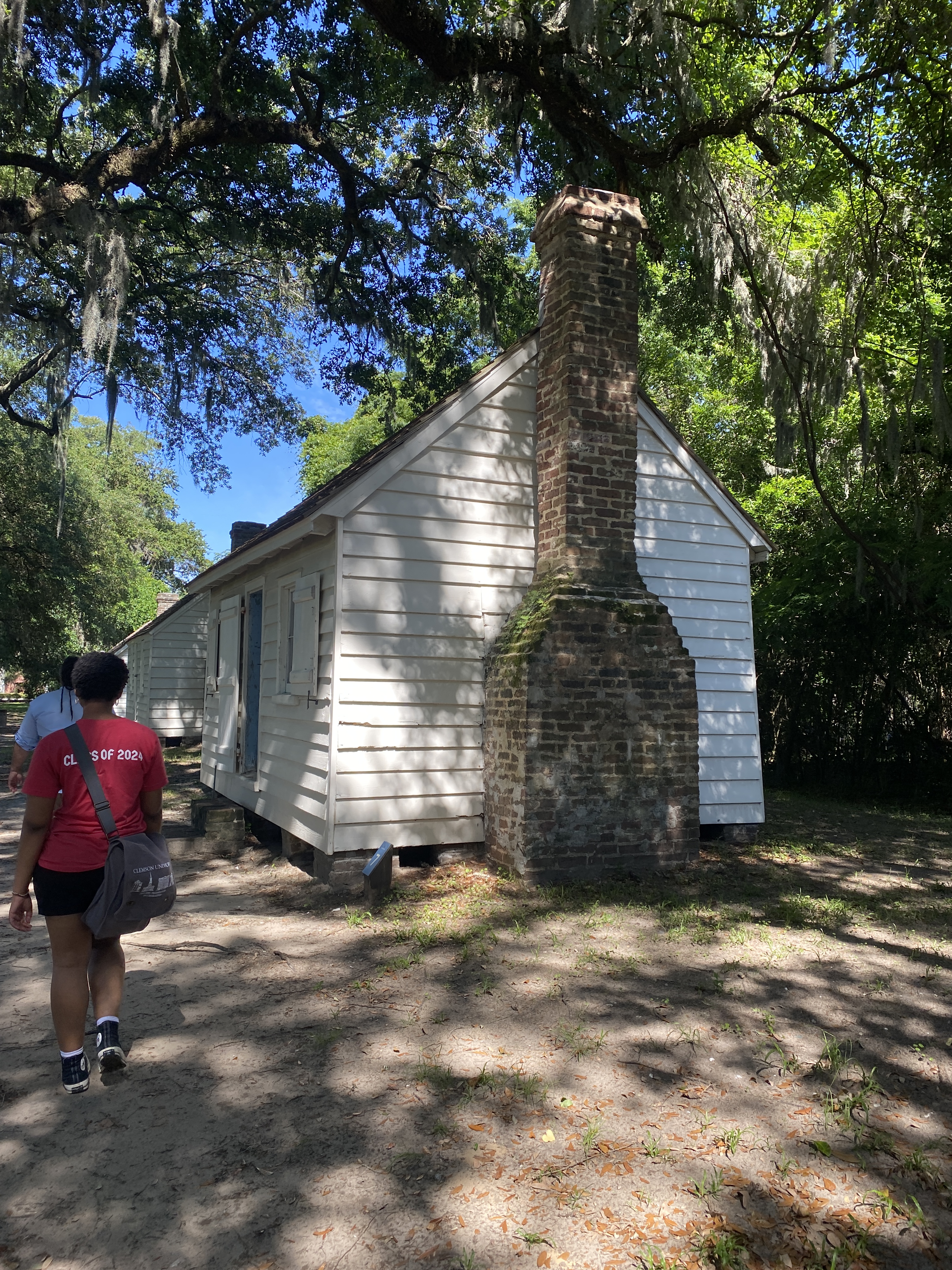
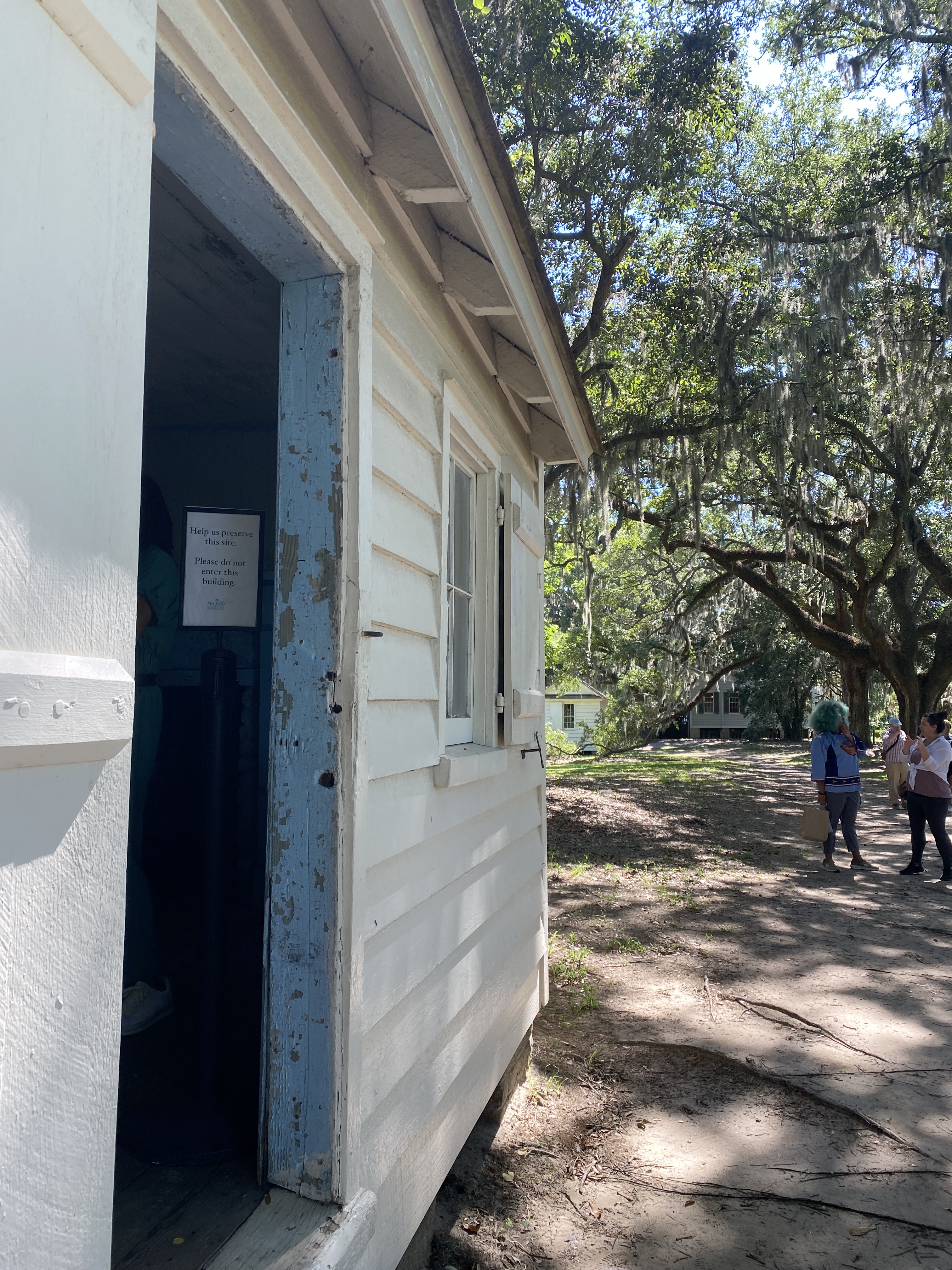
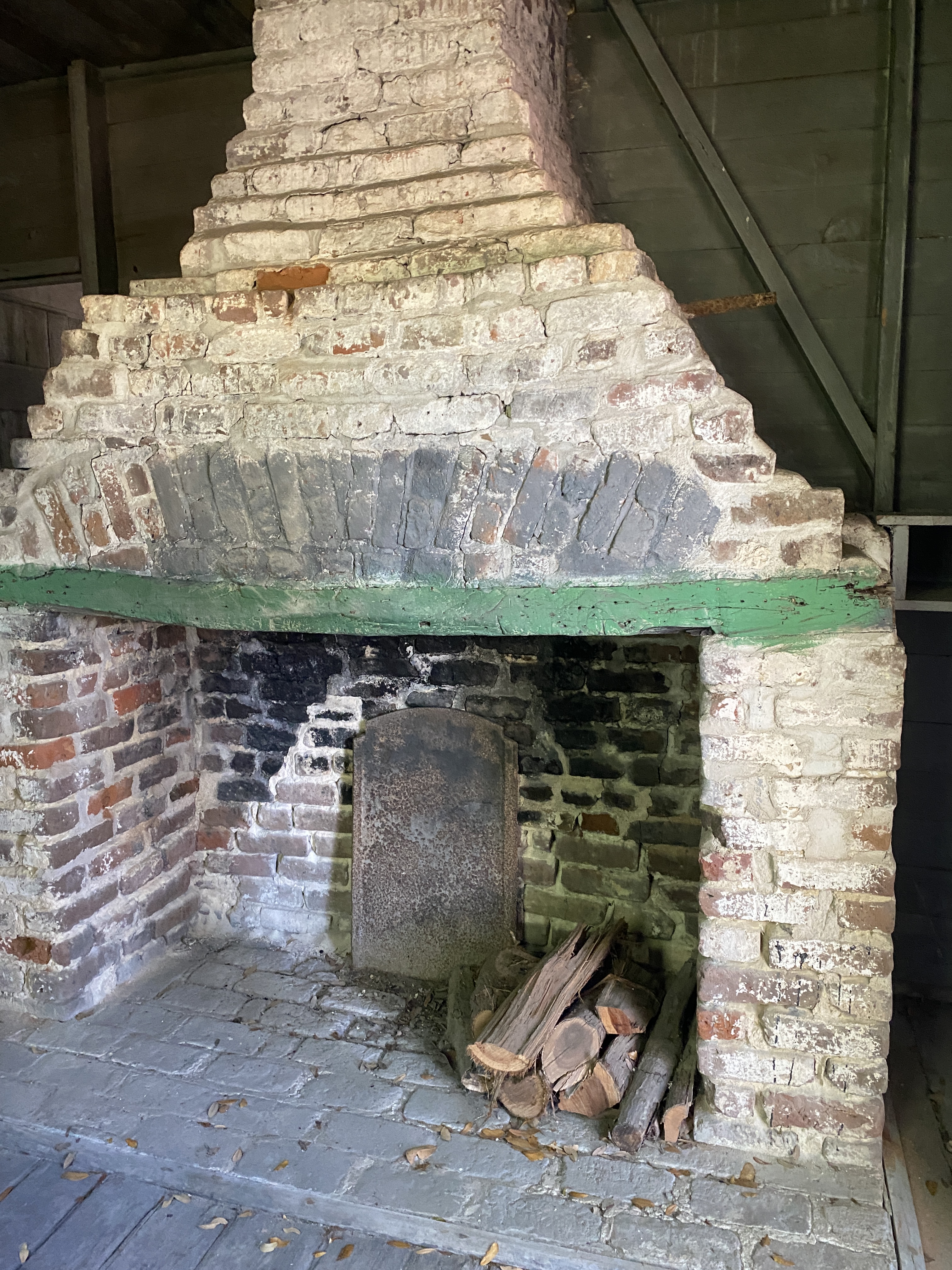
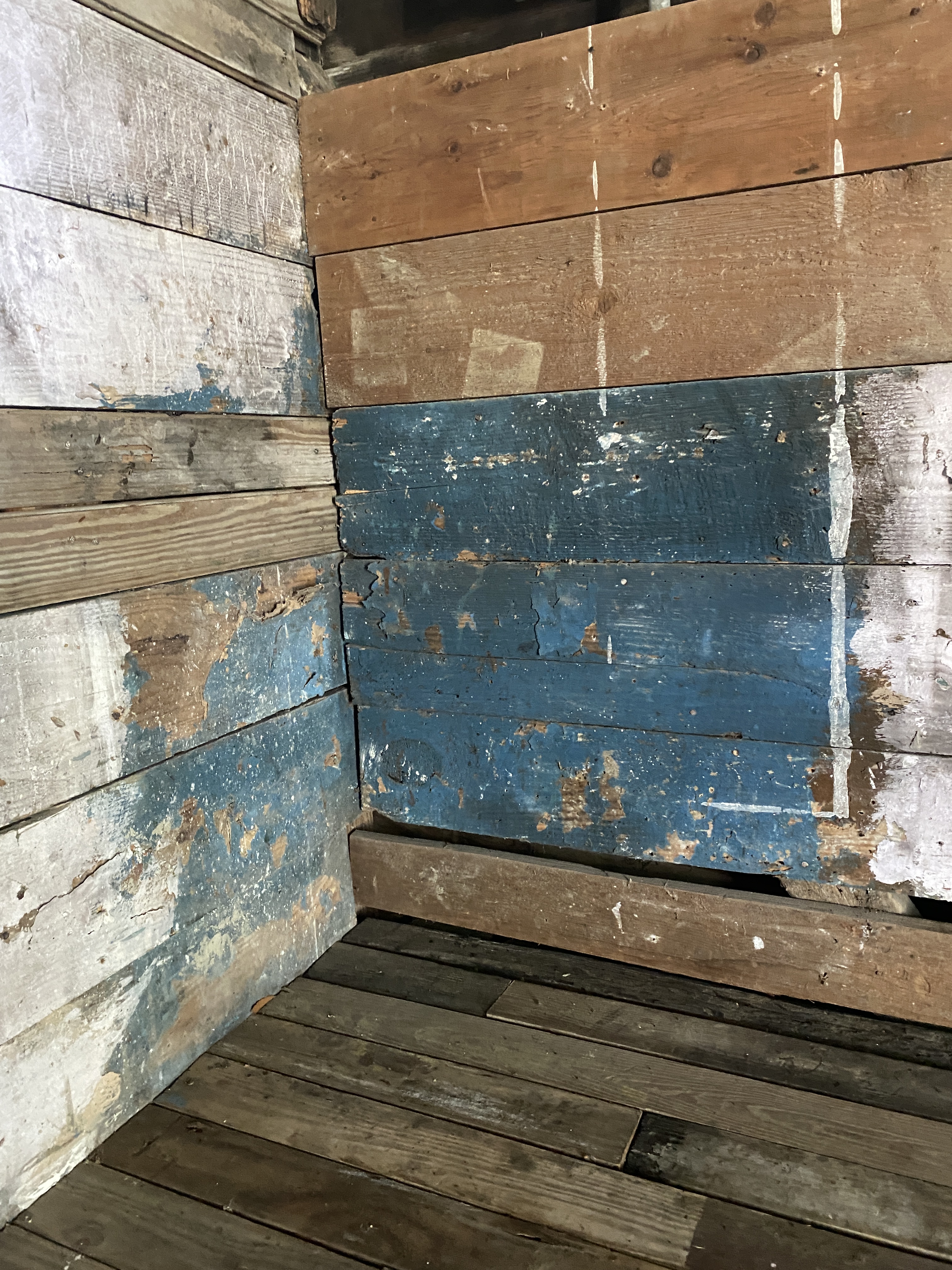
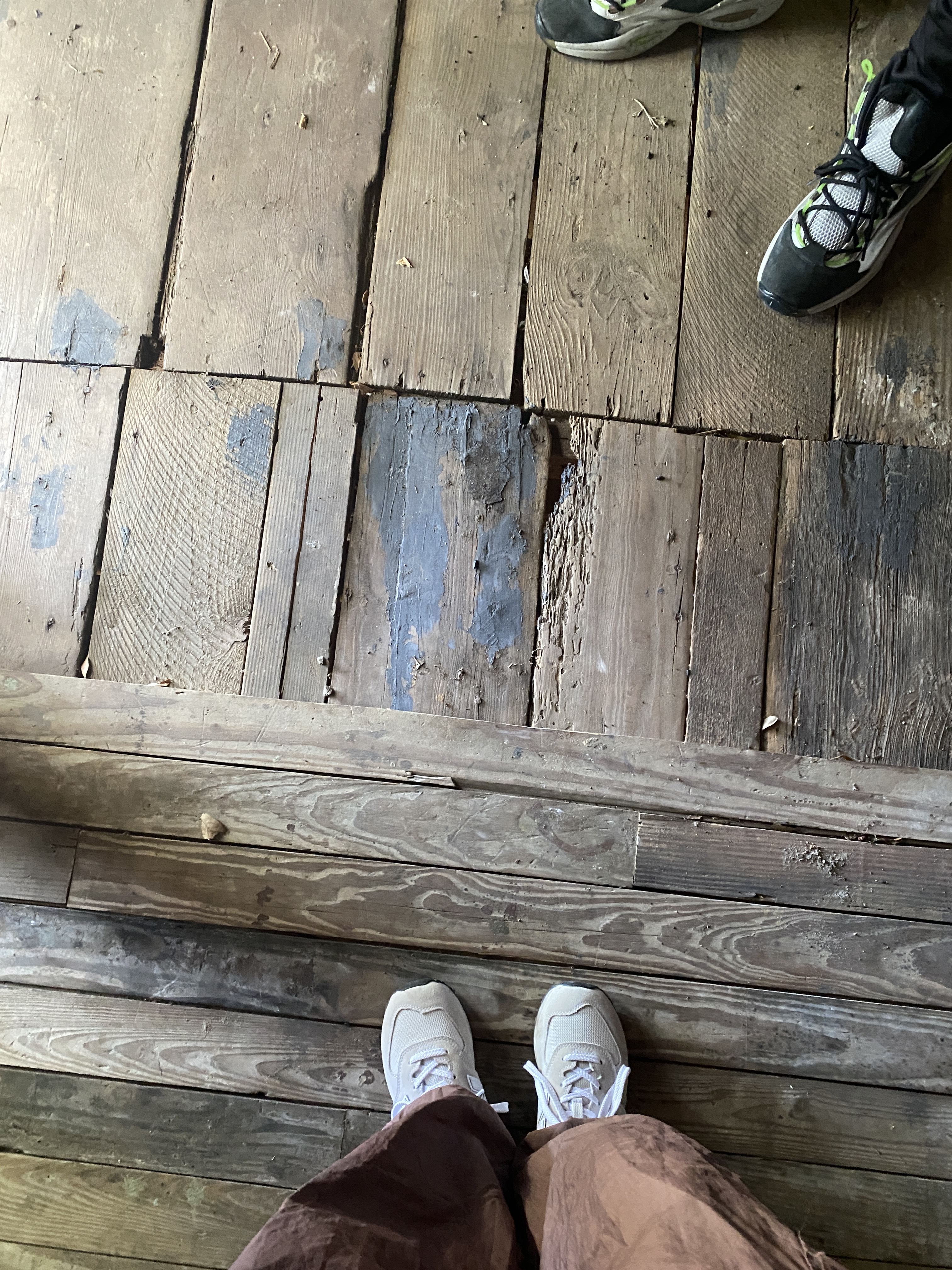
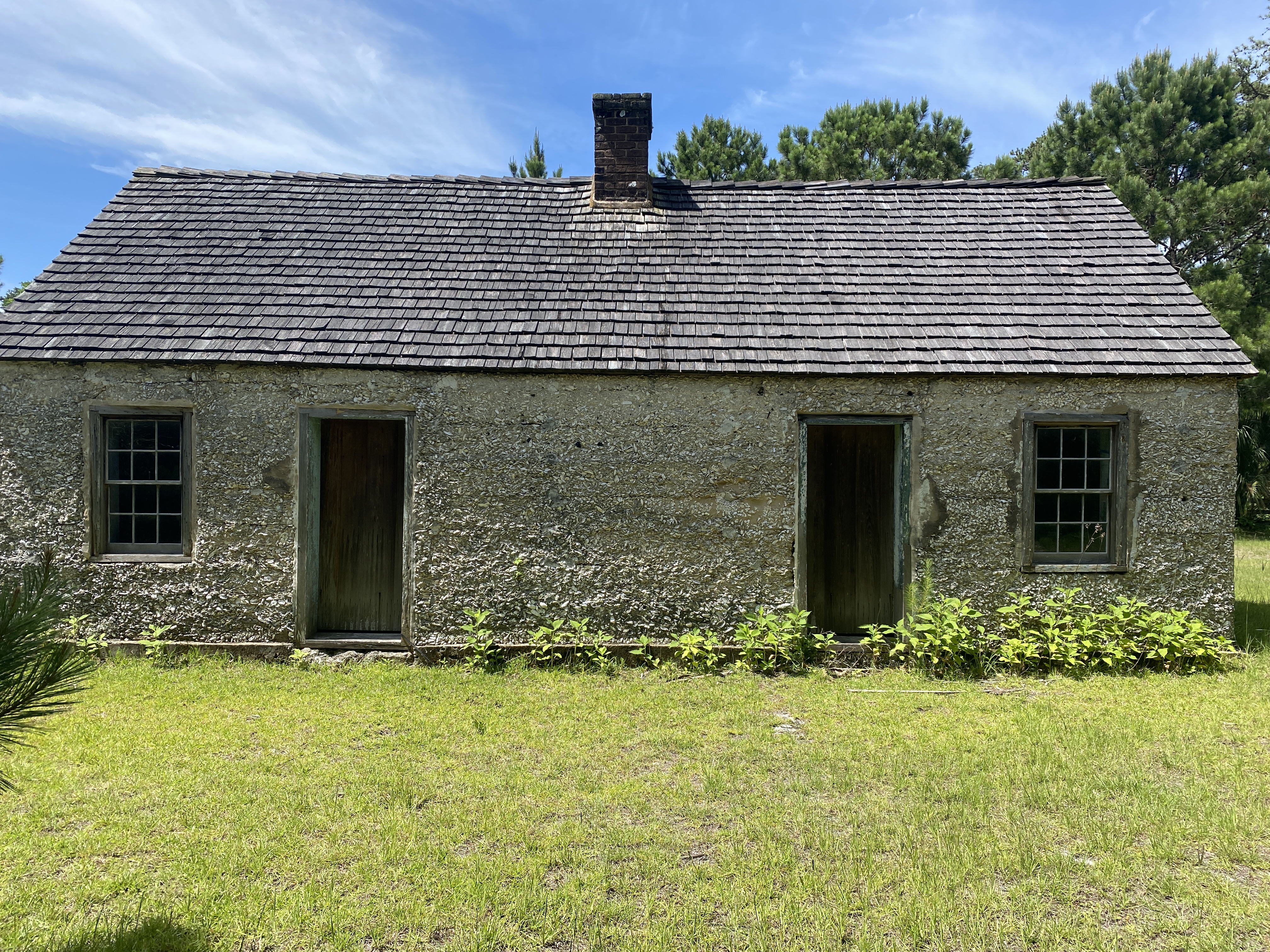
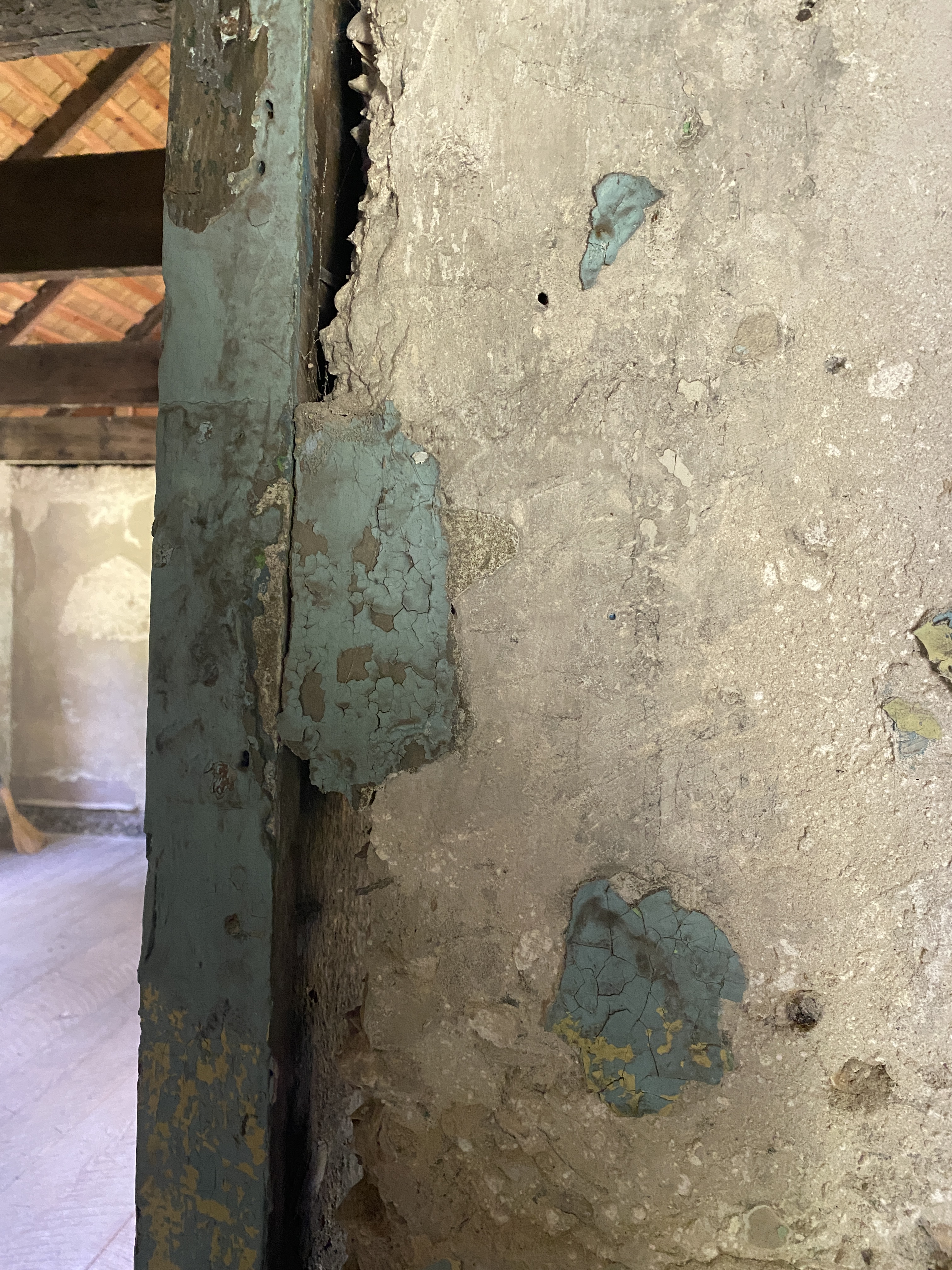
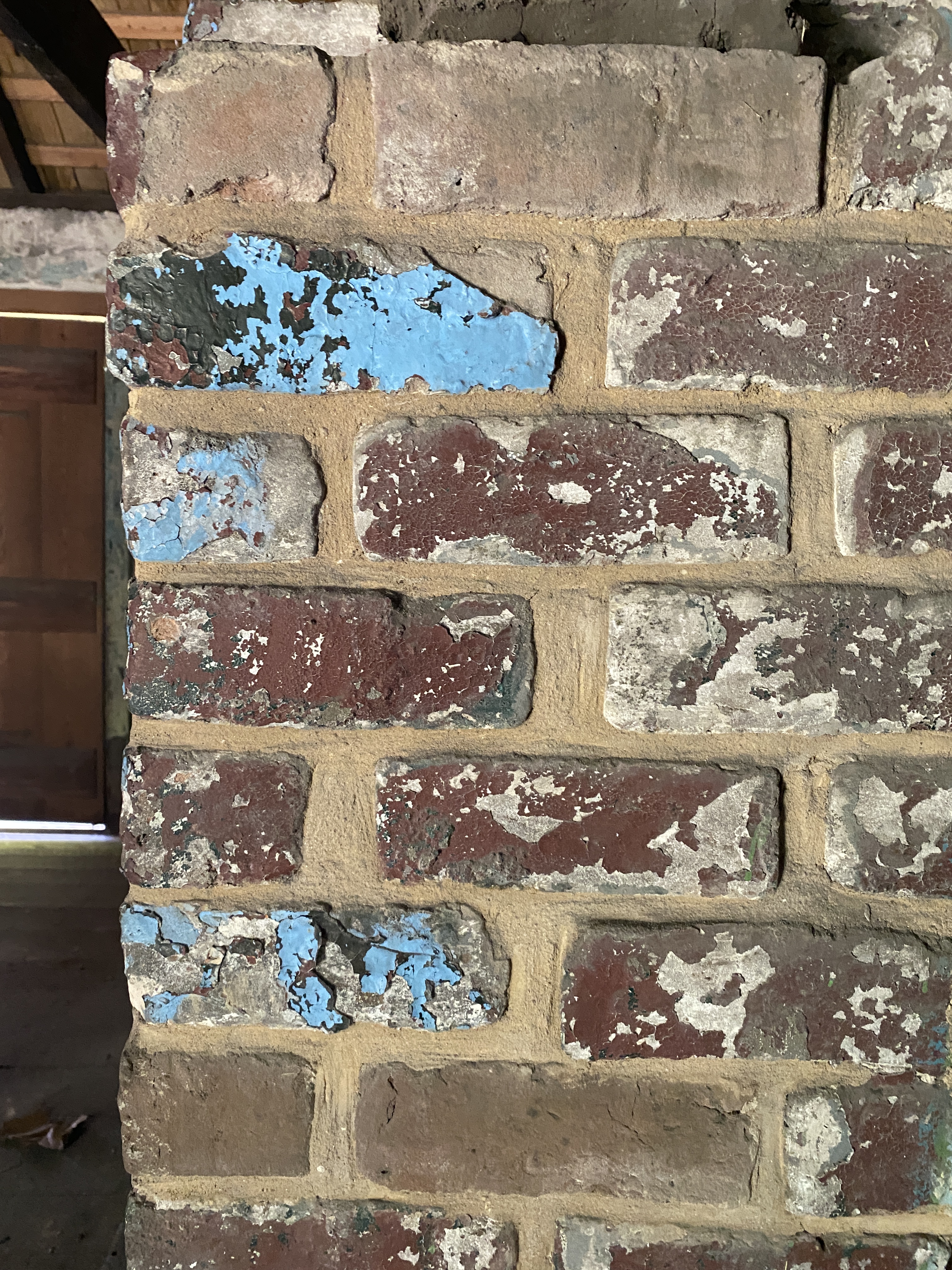
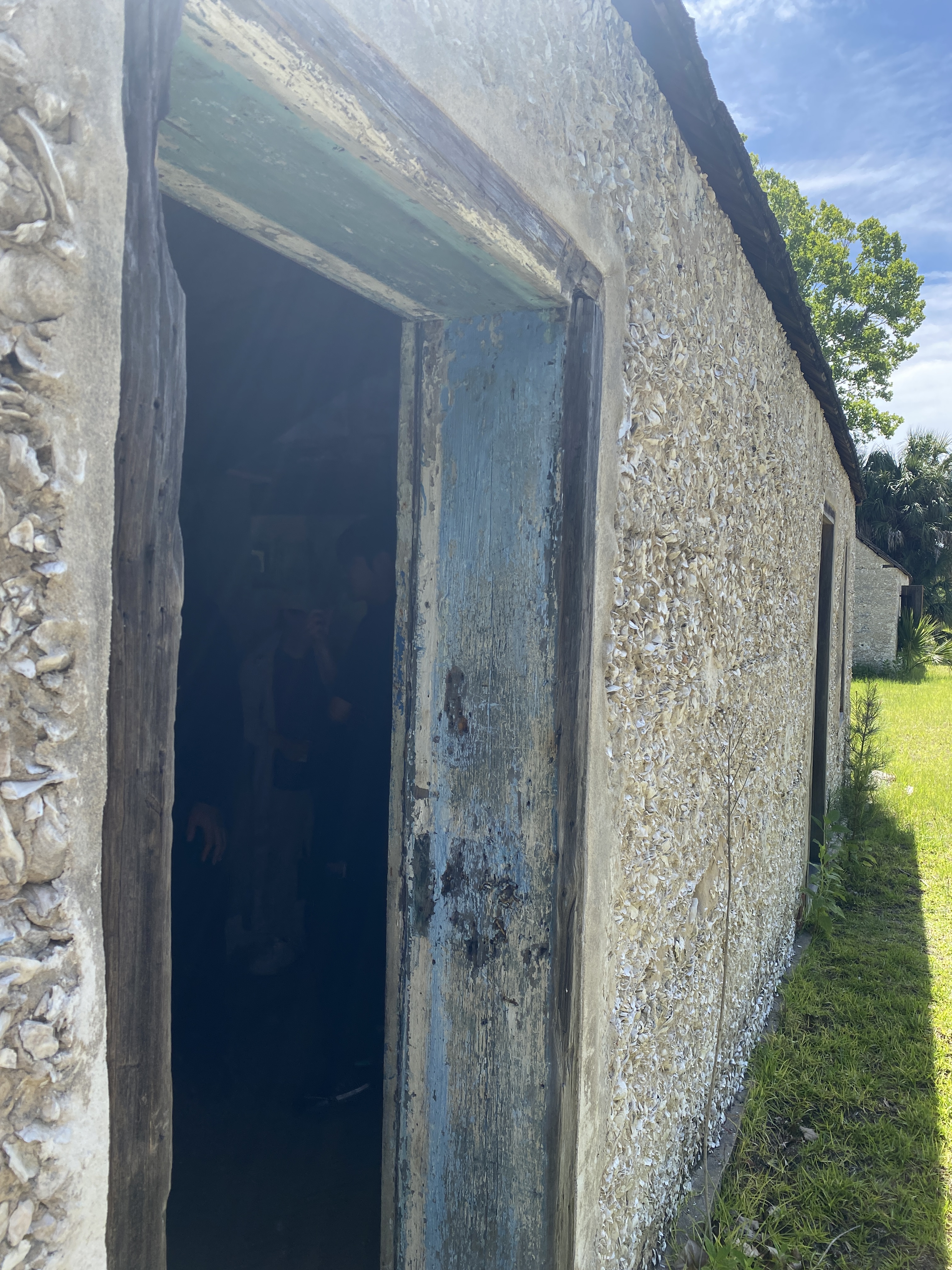
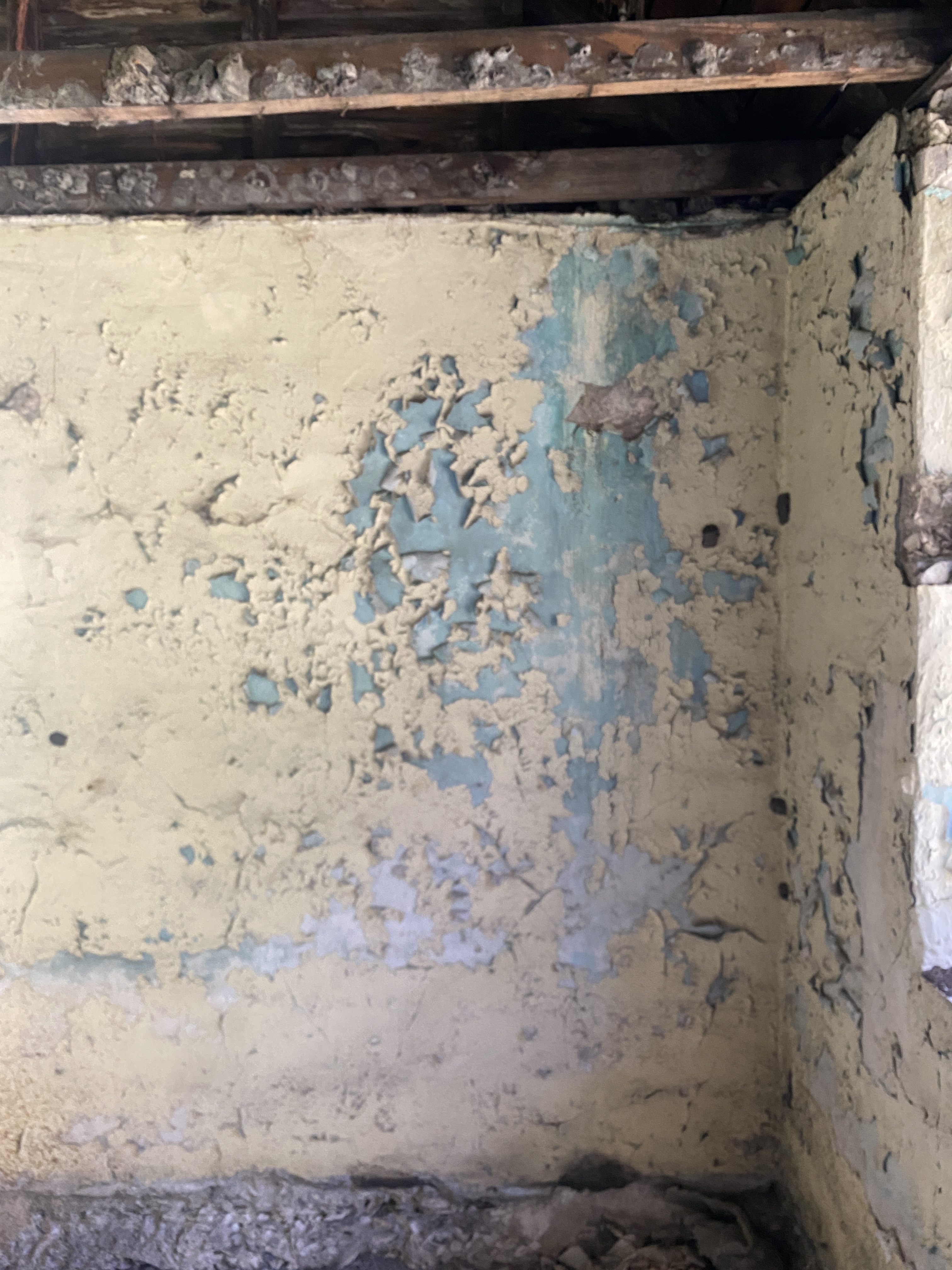
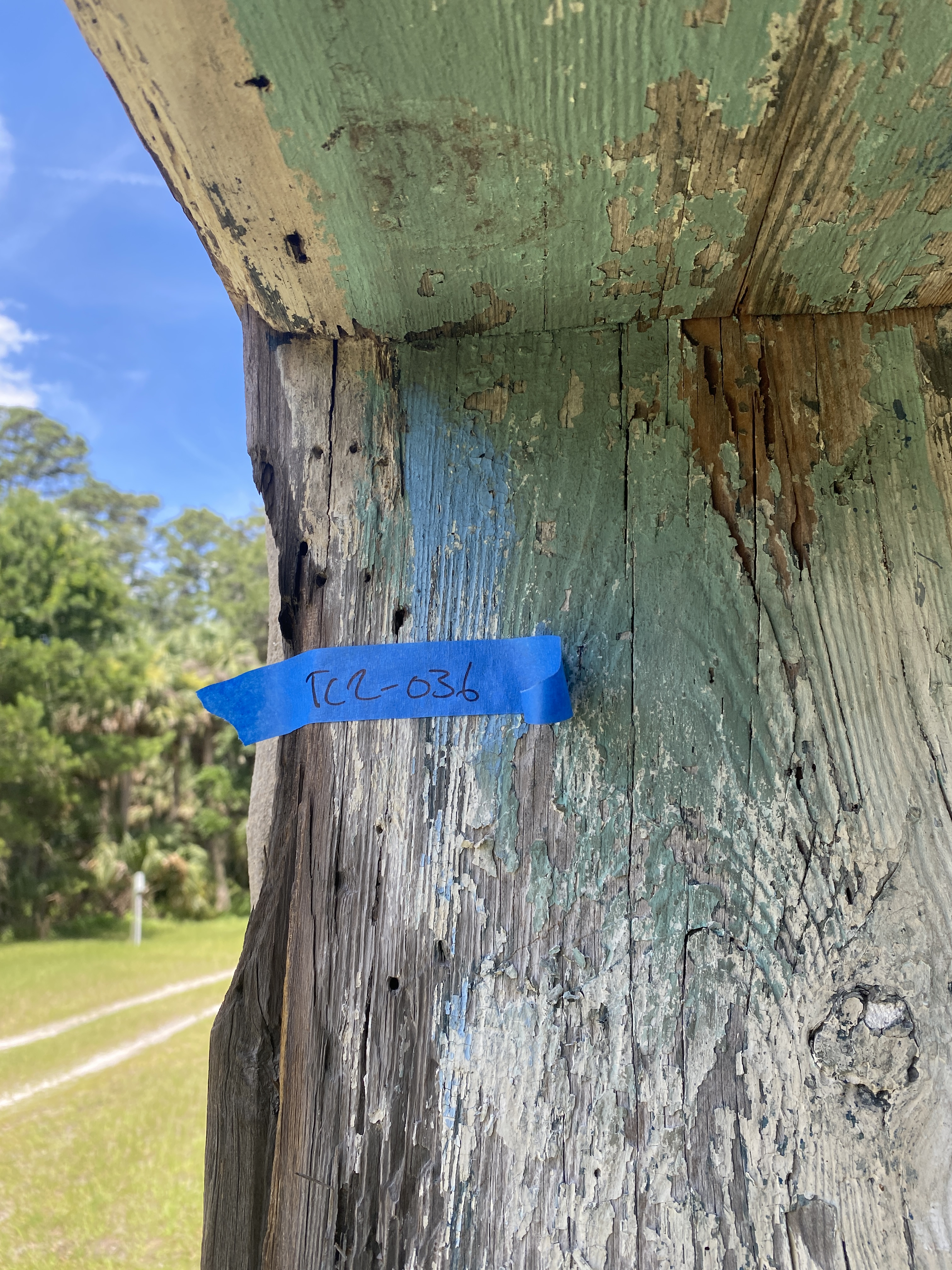
2024 Trip to Charleston & Ossabaw
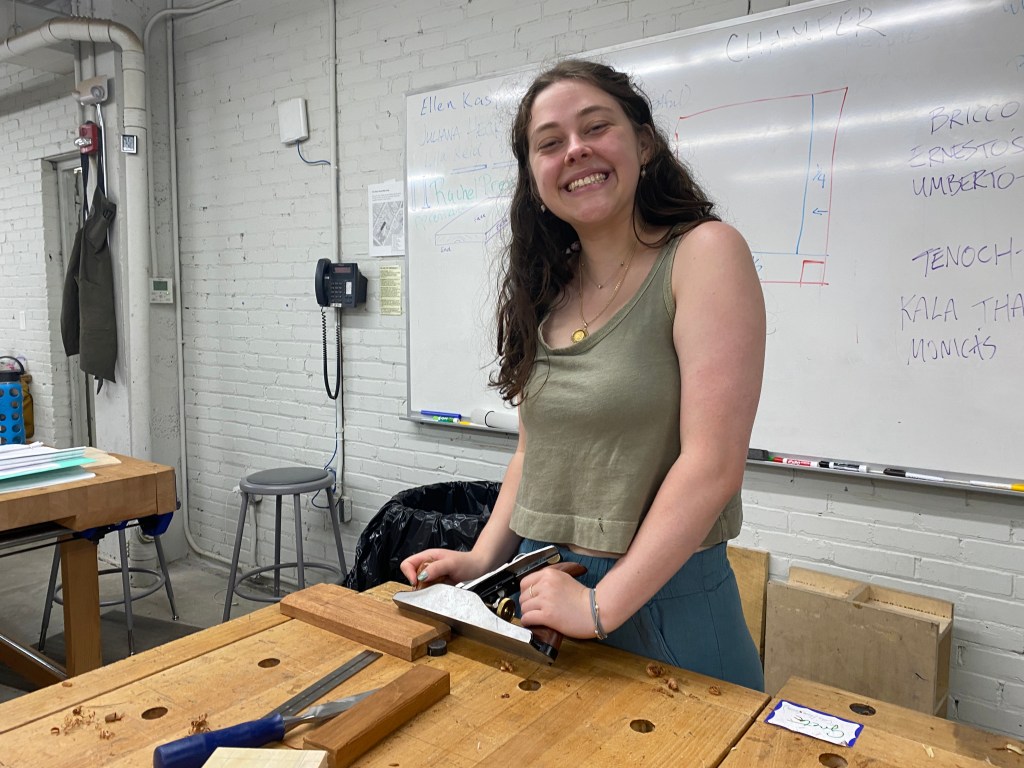
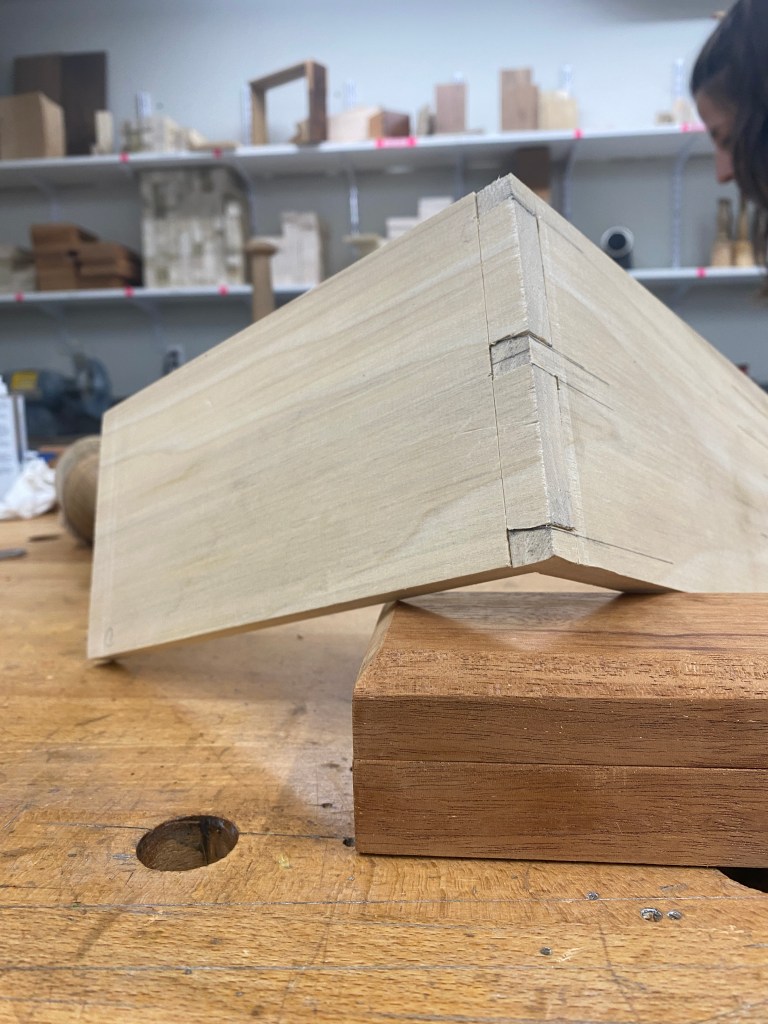
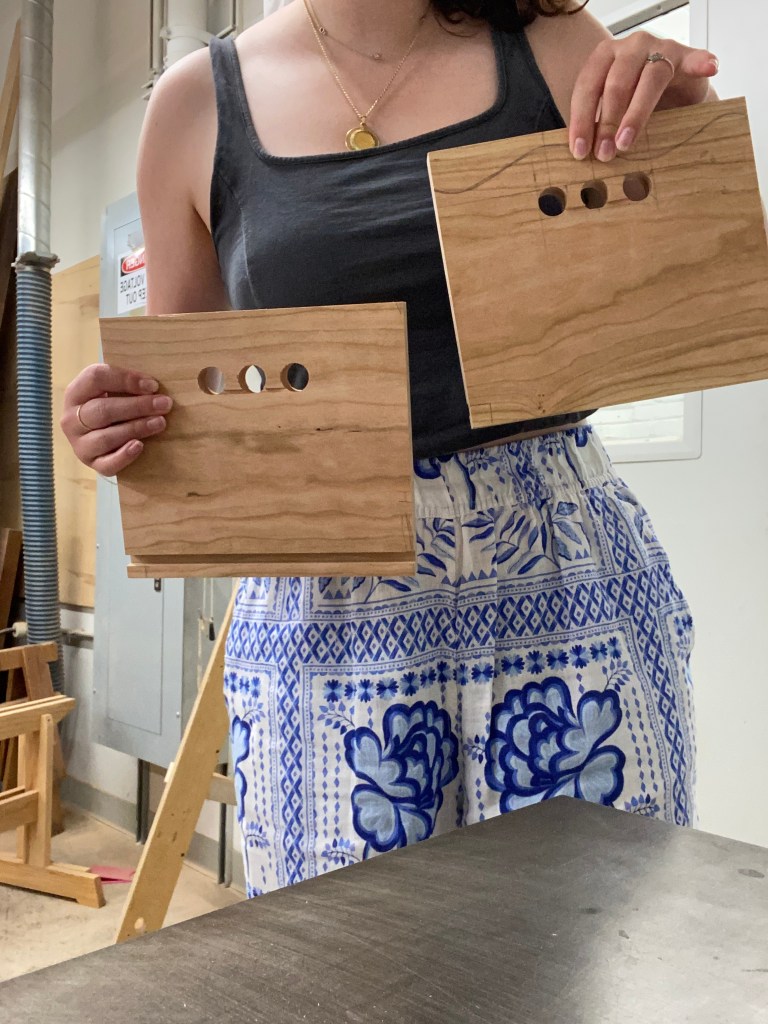
As my academic background was mainly in research and writing, I wanted to gain more hands-on preservation skills. So, in June 2024, I moved to Boston, Massachusetts for a few weeks for a program at North Bennett Street School entitled “Making Space: Intro to Woodworking for Conservators.” Here, I learned traditional and machaine woodworking skills and how they apply to the fields of preservation and conservation. I knew this knowledge would be valuable in studying Haint Blue and analyzing paint samples whose substrate is wood.
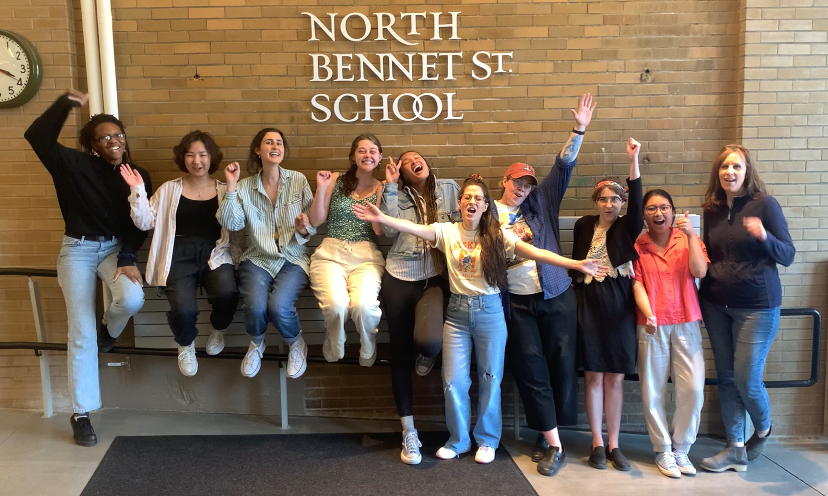
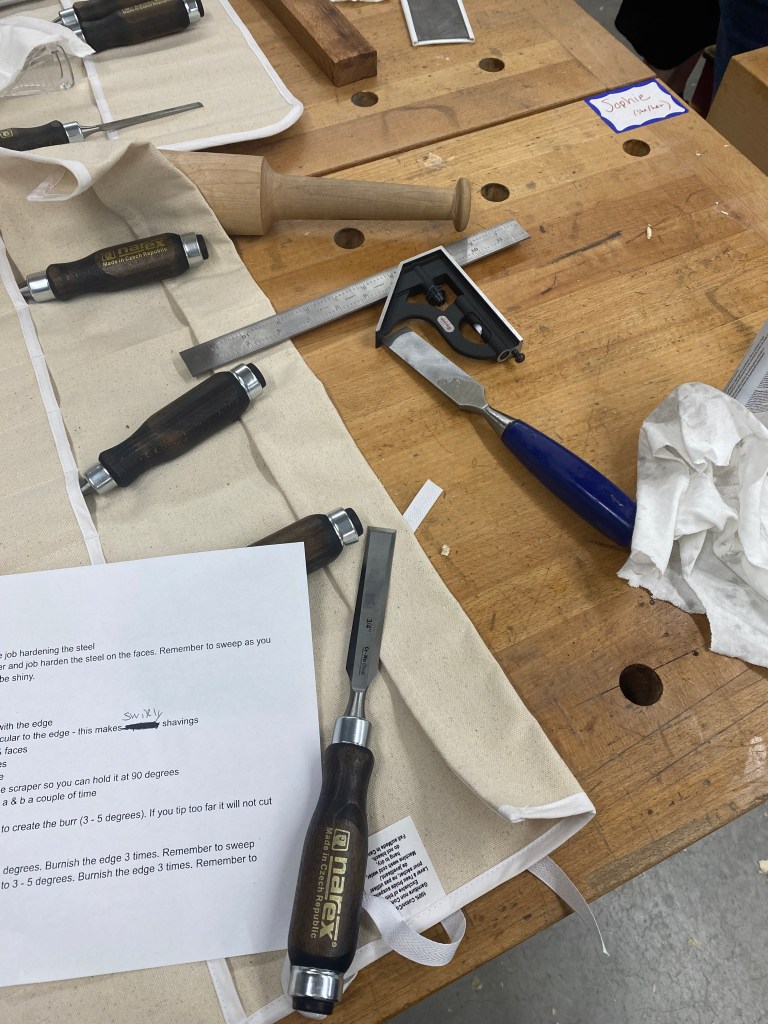
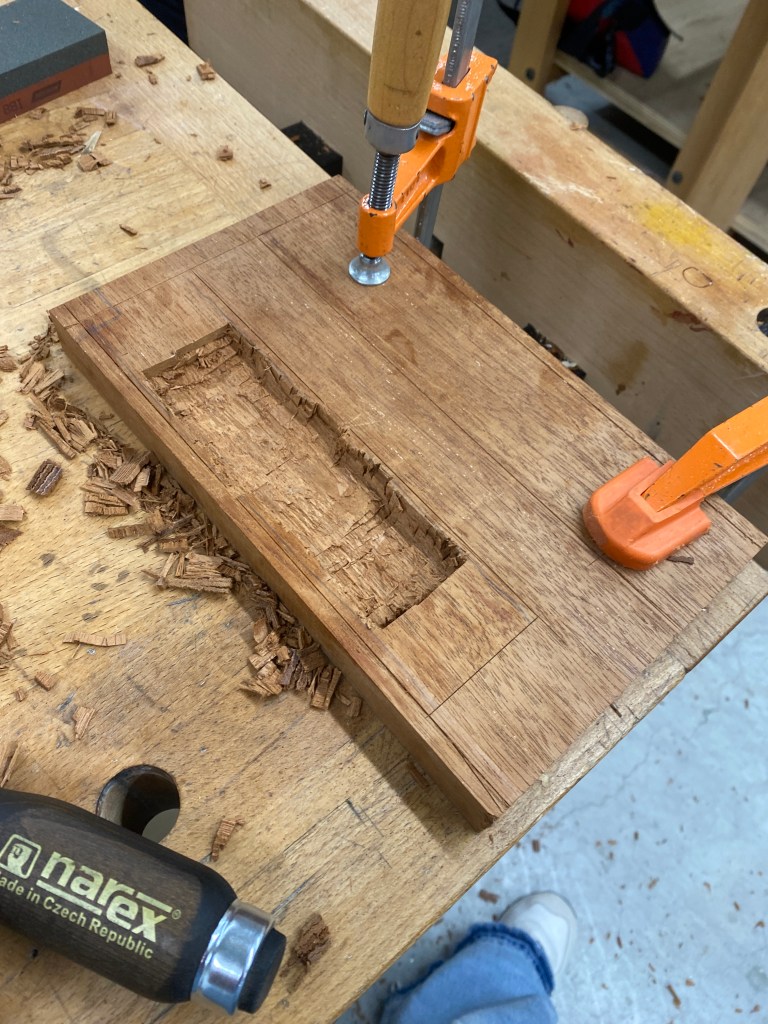
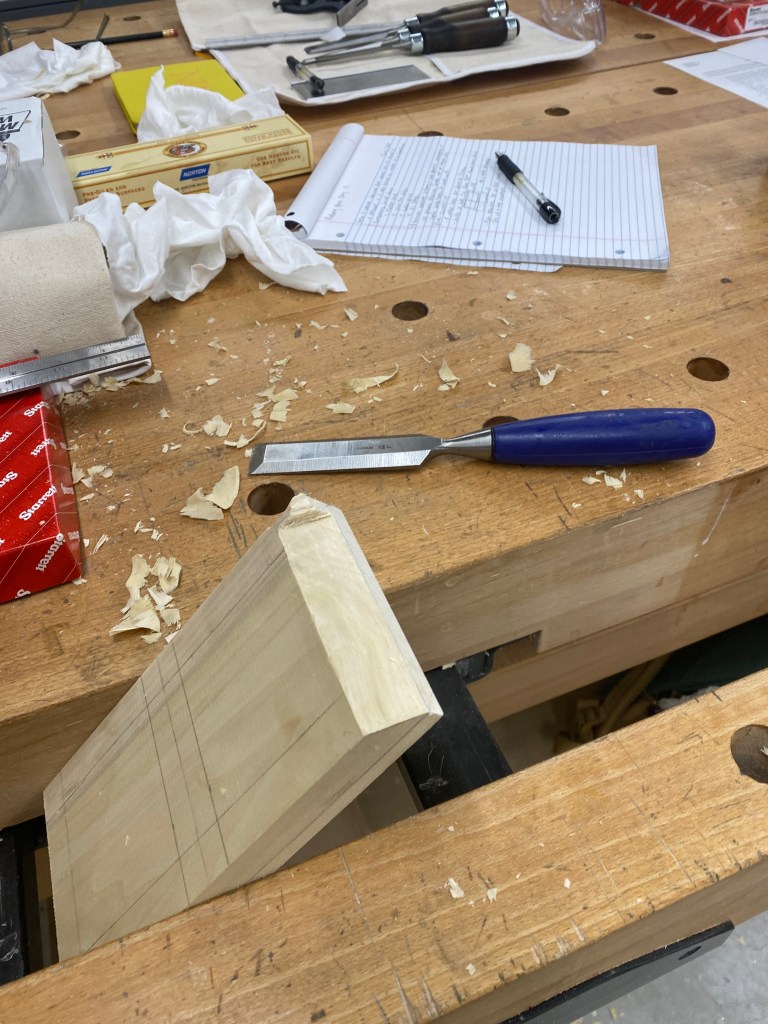
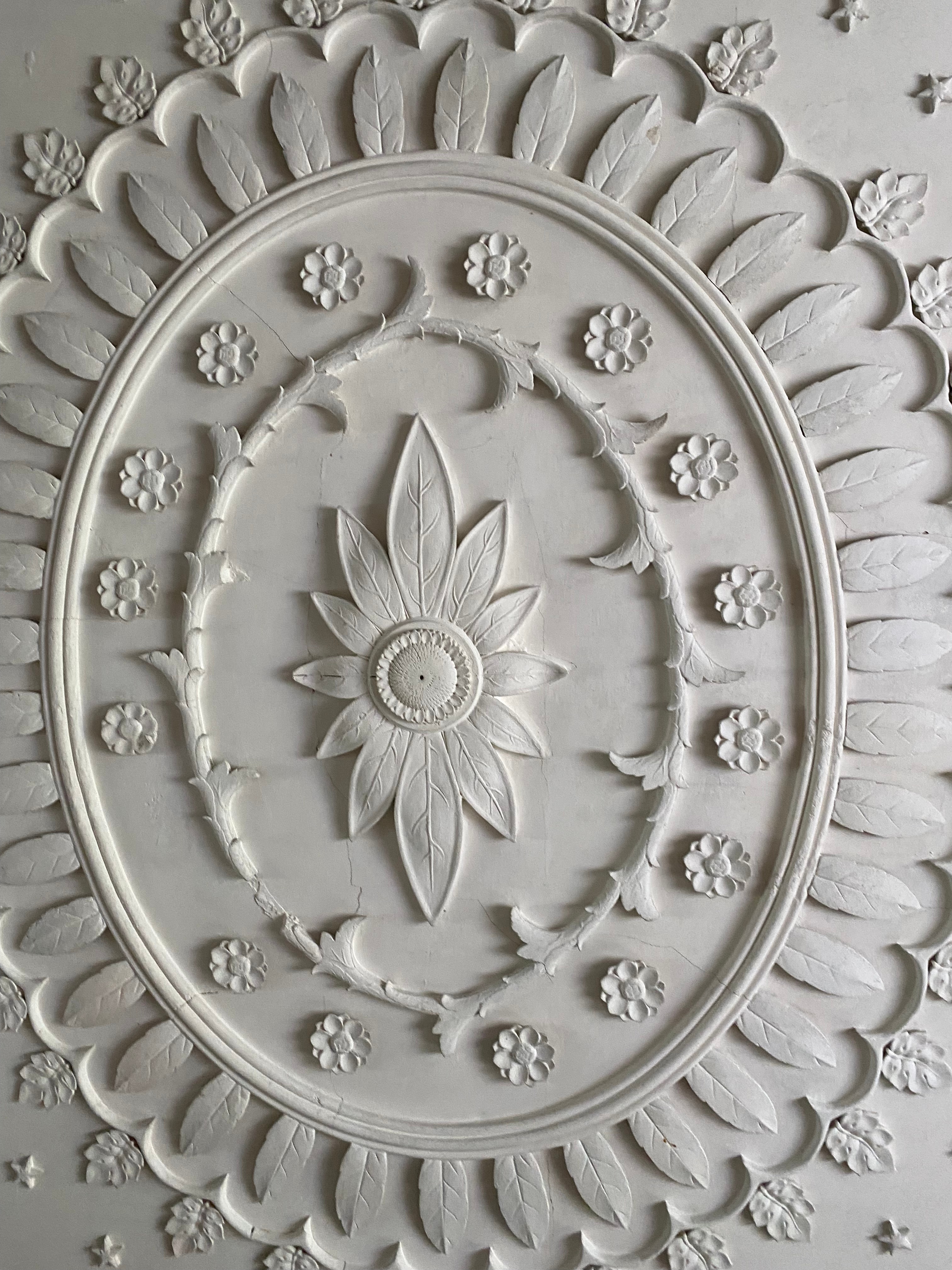
The following month, I began an Architectural Conservation internship at Peter Pennoyer Architects in New York City. This internship was an incredible opportunity. I learned new ways to document historic buildings, specifically their interiors. I helped to inventory two consulate buildings in Manhattan while also learning about other architecture and conservation projects at the firm. I gained hands-on conditions assessment experience from scaffolding above 5th Avenue. I was also able to attended a plaster casting workshop in Brooklyn and learned how their shop aids in the restoration of so many buildings in NYC and beyond.
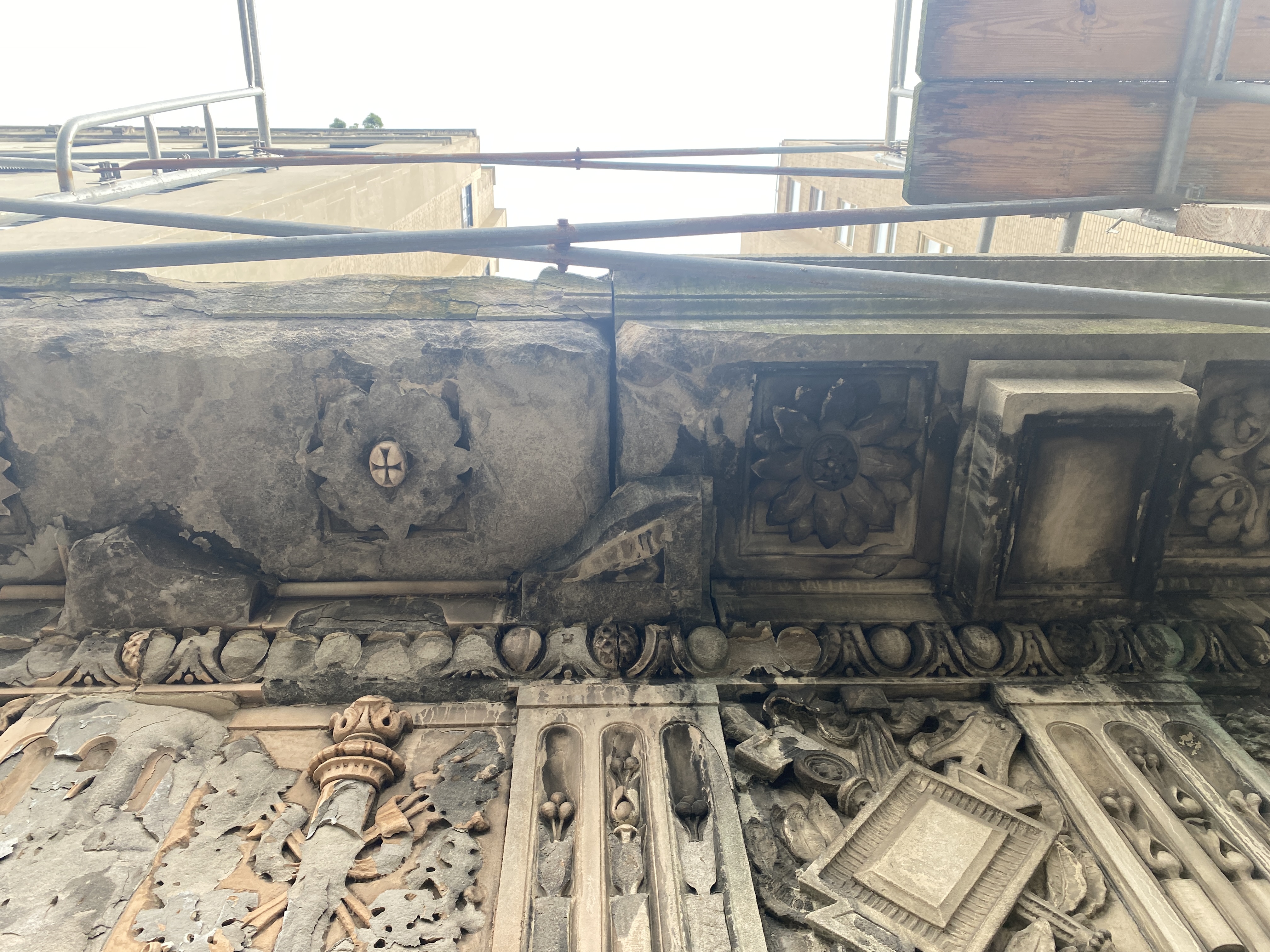
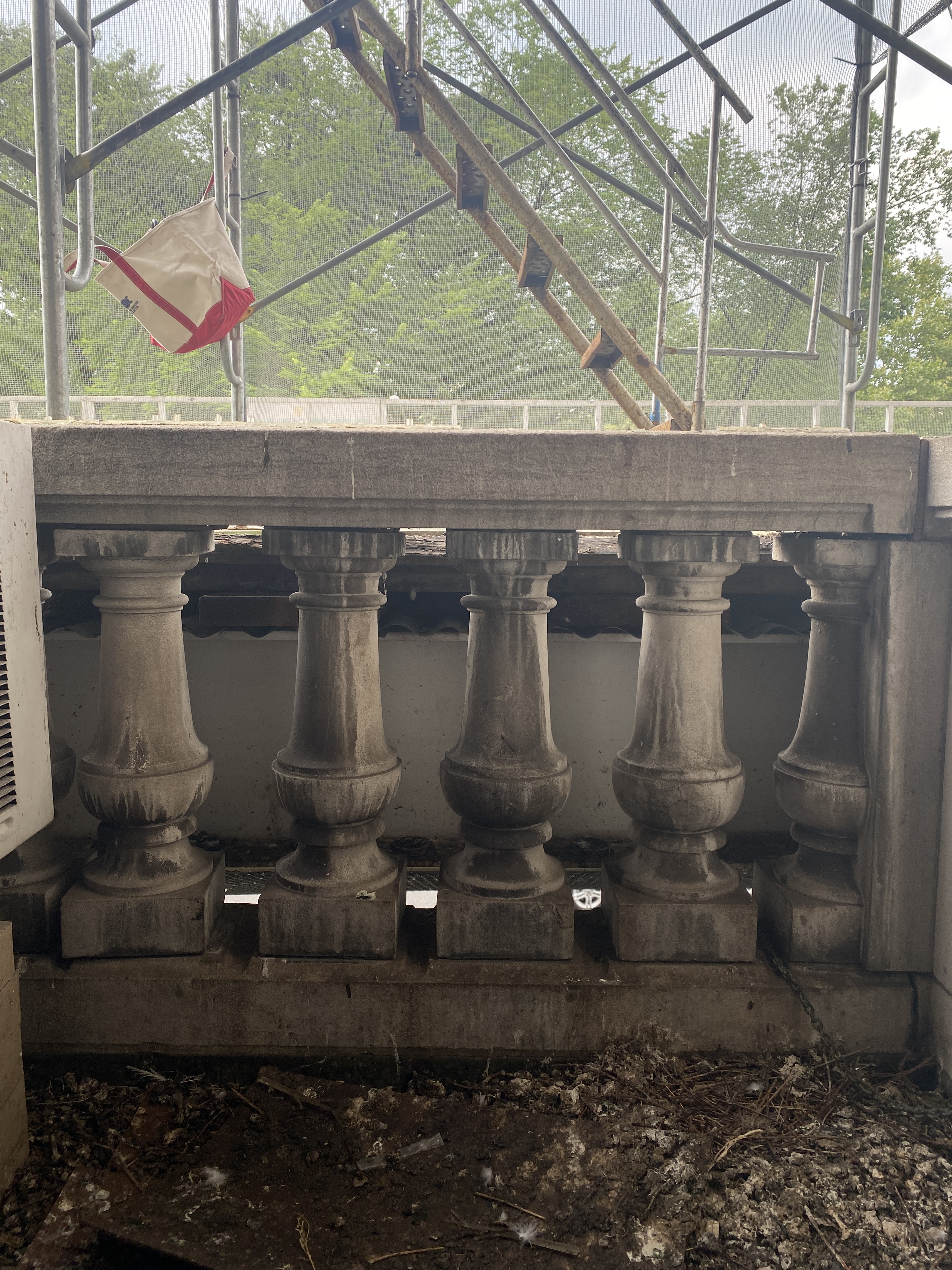
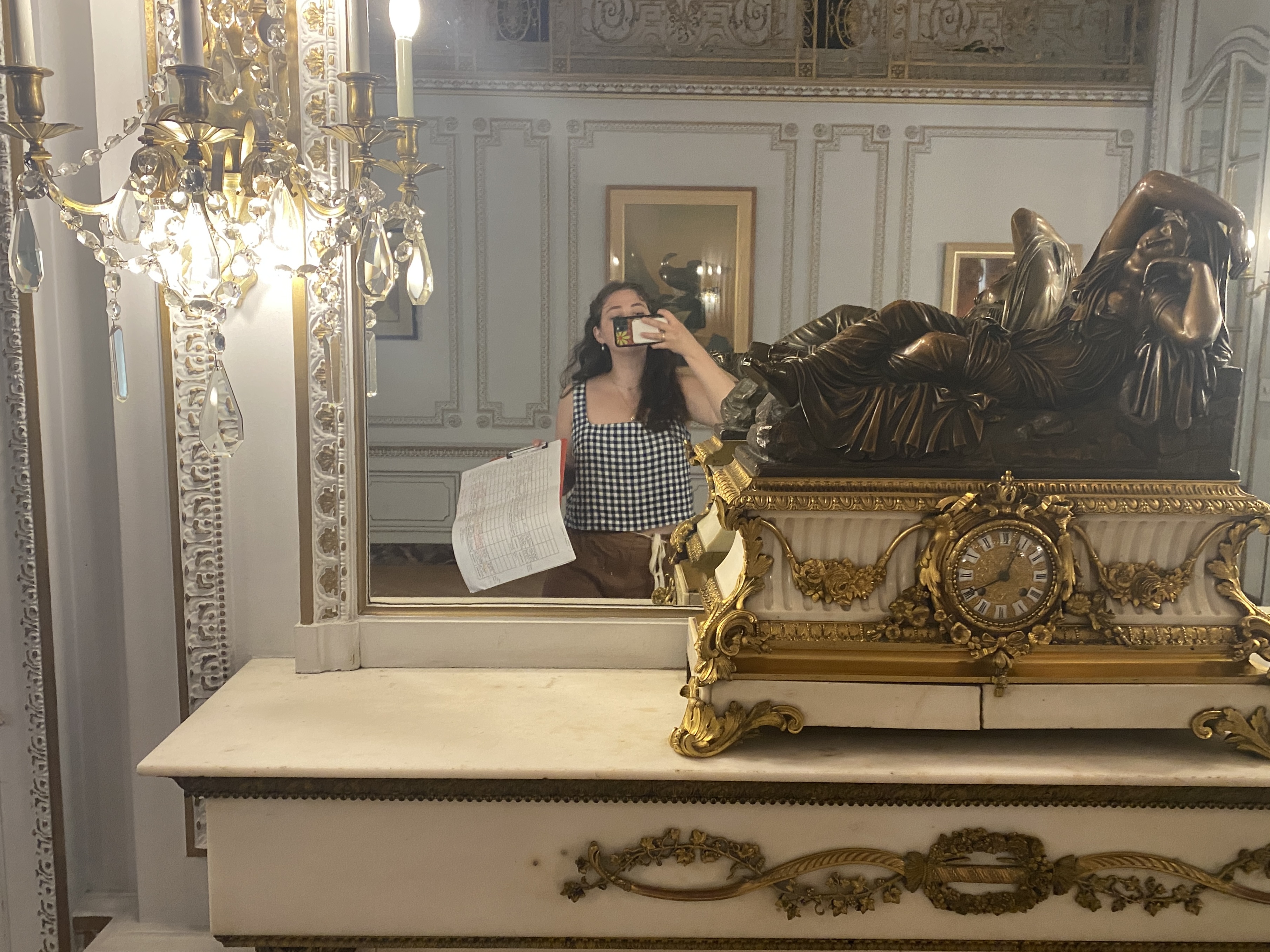
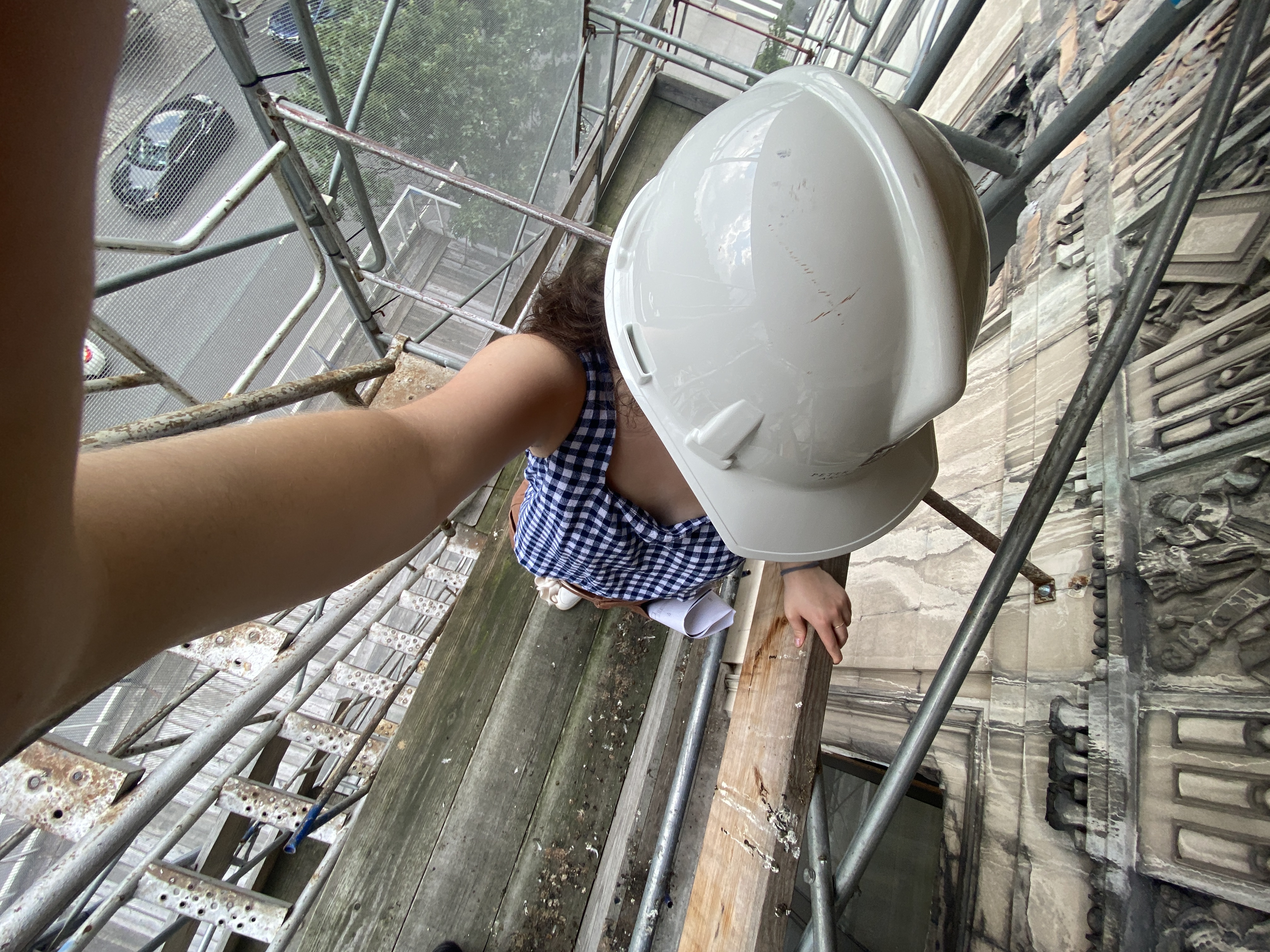
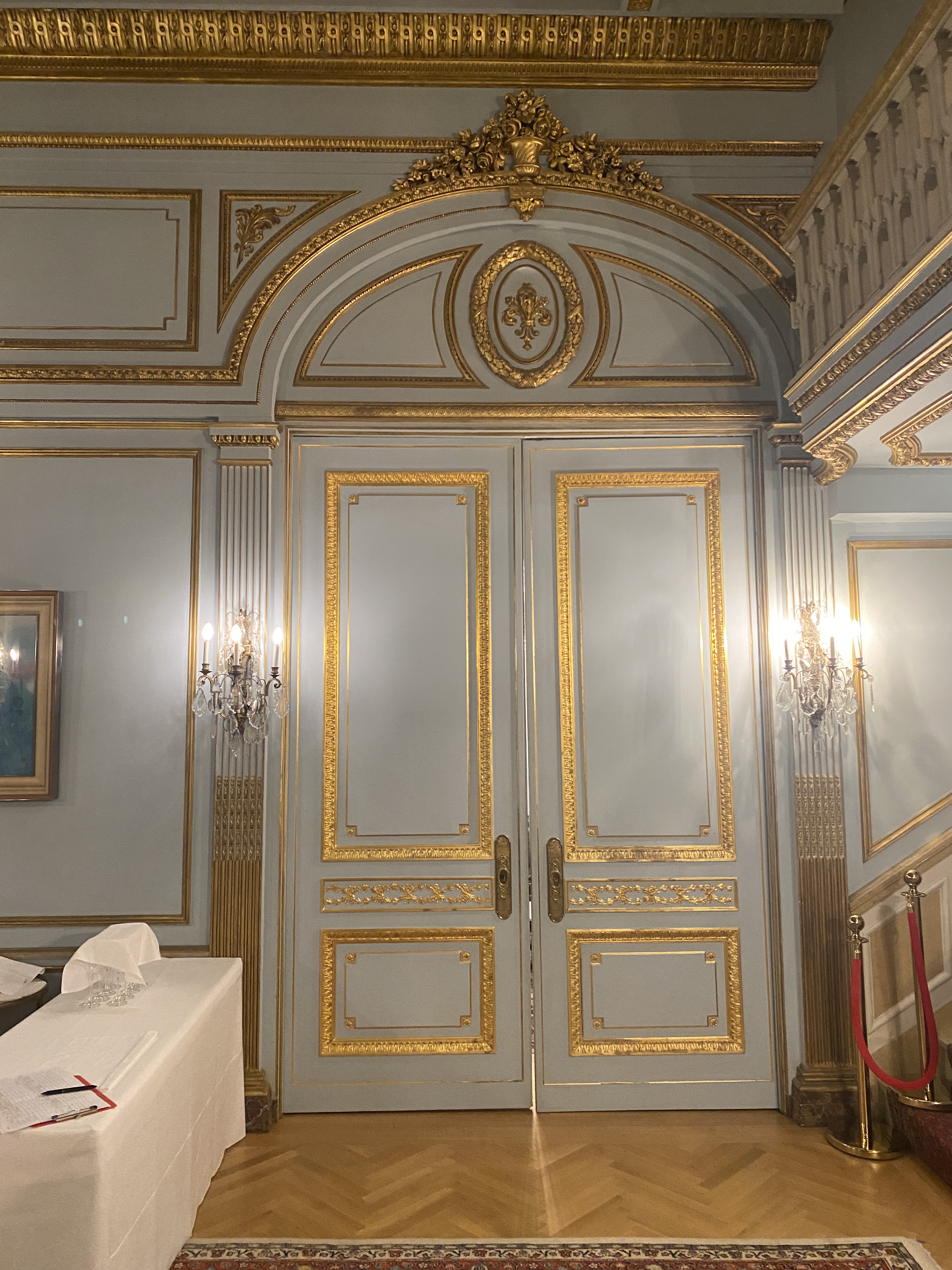
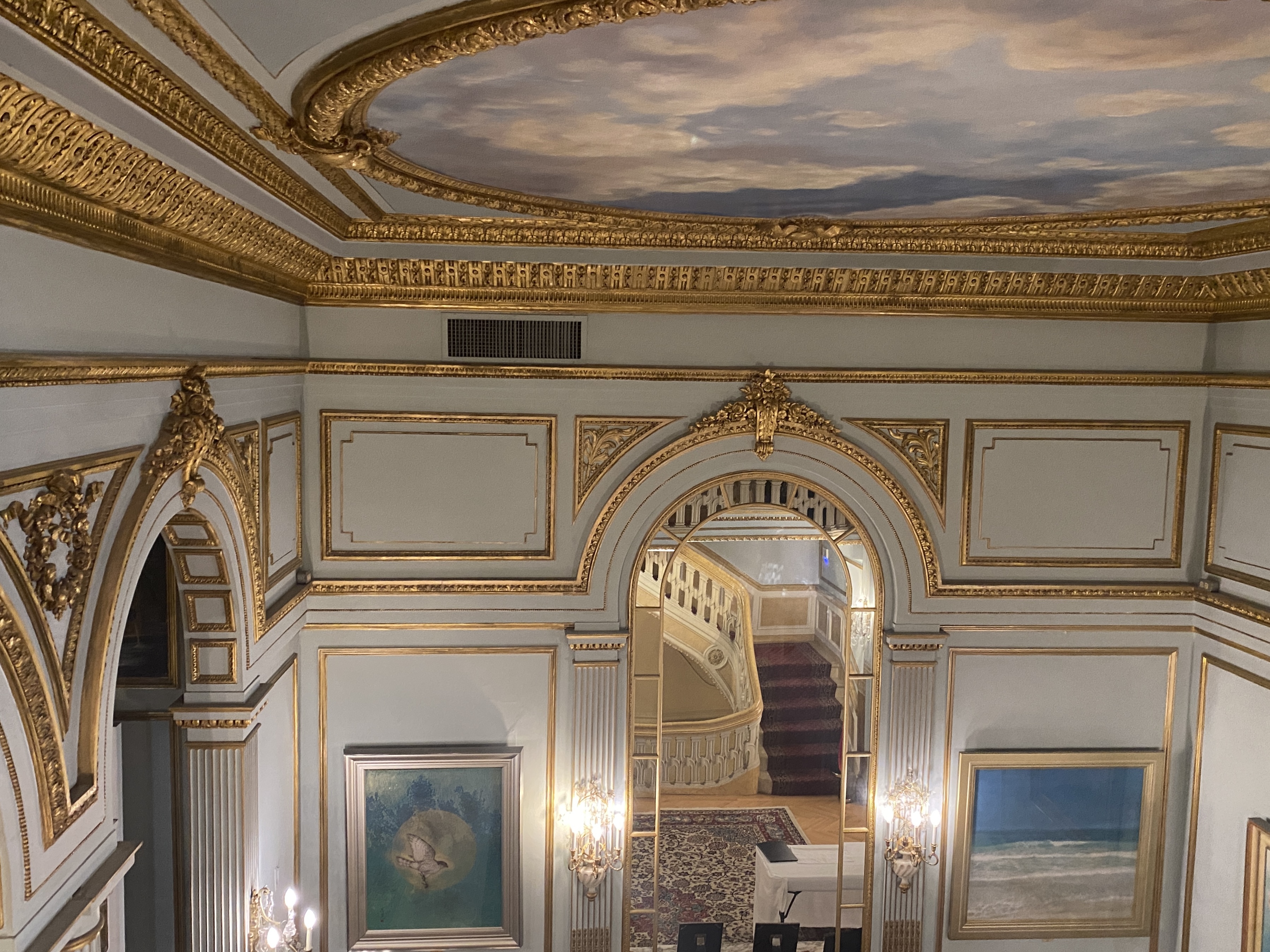
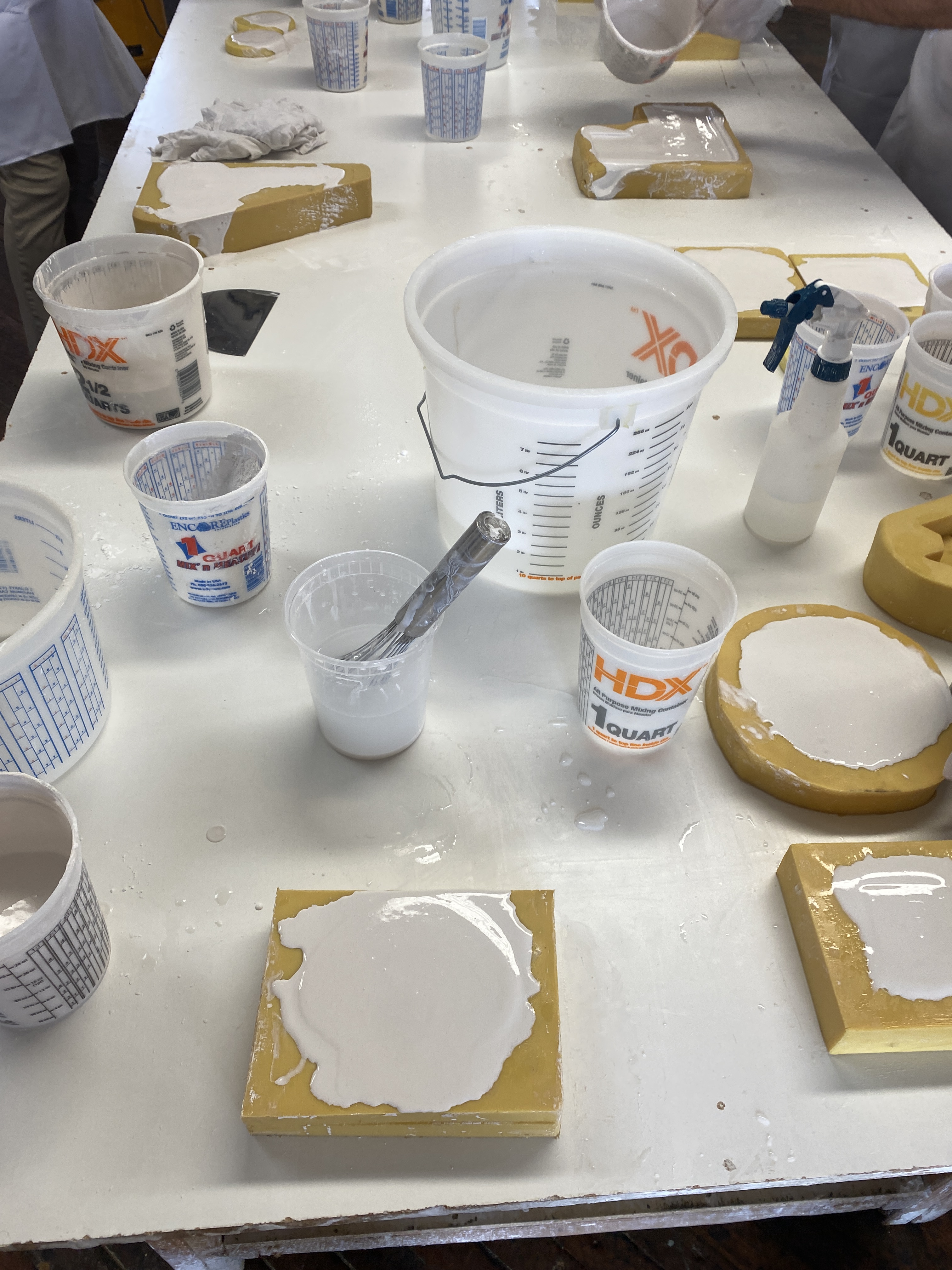
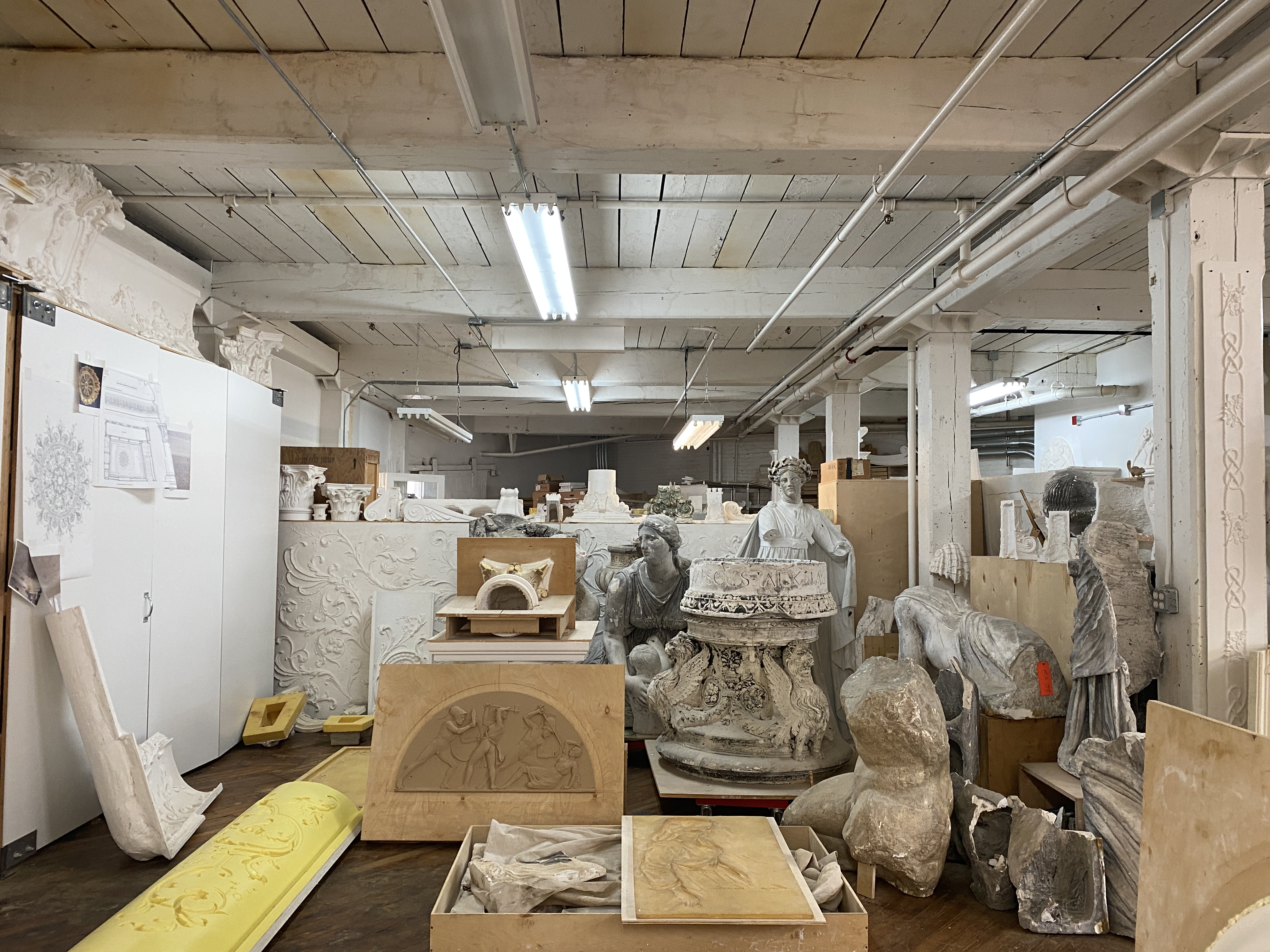
Snapshots from Summer 2024 Internship
✶
2025.
Spring 2025 was intense. Focused on my thesis, I worked to analyze the paint samples I’d taken in 2024 from the North End Plantation on Ossabaw Island, Georgia. I also returned to Charleston where I visited the Magnolia Plantation & Gardens to take more samples. With the help of conservators in NYC and Deleware, I was able to analyze the chemical composition of the paint layers from these historic slave dwellings. In doing so, I learned the original pigments used to make Haint Blue paint and was able to roughly date when different layers of paint were added to walls, windows, and door frames. At the same time, I worked with the Gullah Geechee Group Inc. to do community engaged research. I spoke with members of the Gullah Geechee community about their memories of Haint Blue, as well as their knowledge surrounding the tradition.
In all, through archives, oral histories, and scientific study, I discovered that Haint Blue was likely never made with indigo pigment, as many people assume. Instead, it is composed of Prussian Blue and/or Synthetic Ultramarine pigments, depending on the site. It was a big discovery.
After successfully defending my thesis, I graduated from Columbia University, earning the Honor Award for Best Thesis in Historic Preservation from the Gradute School of Architecture, Planning, and Preservation.
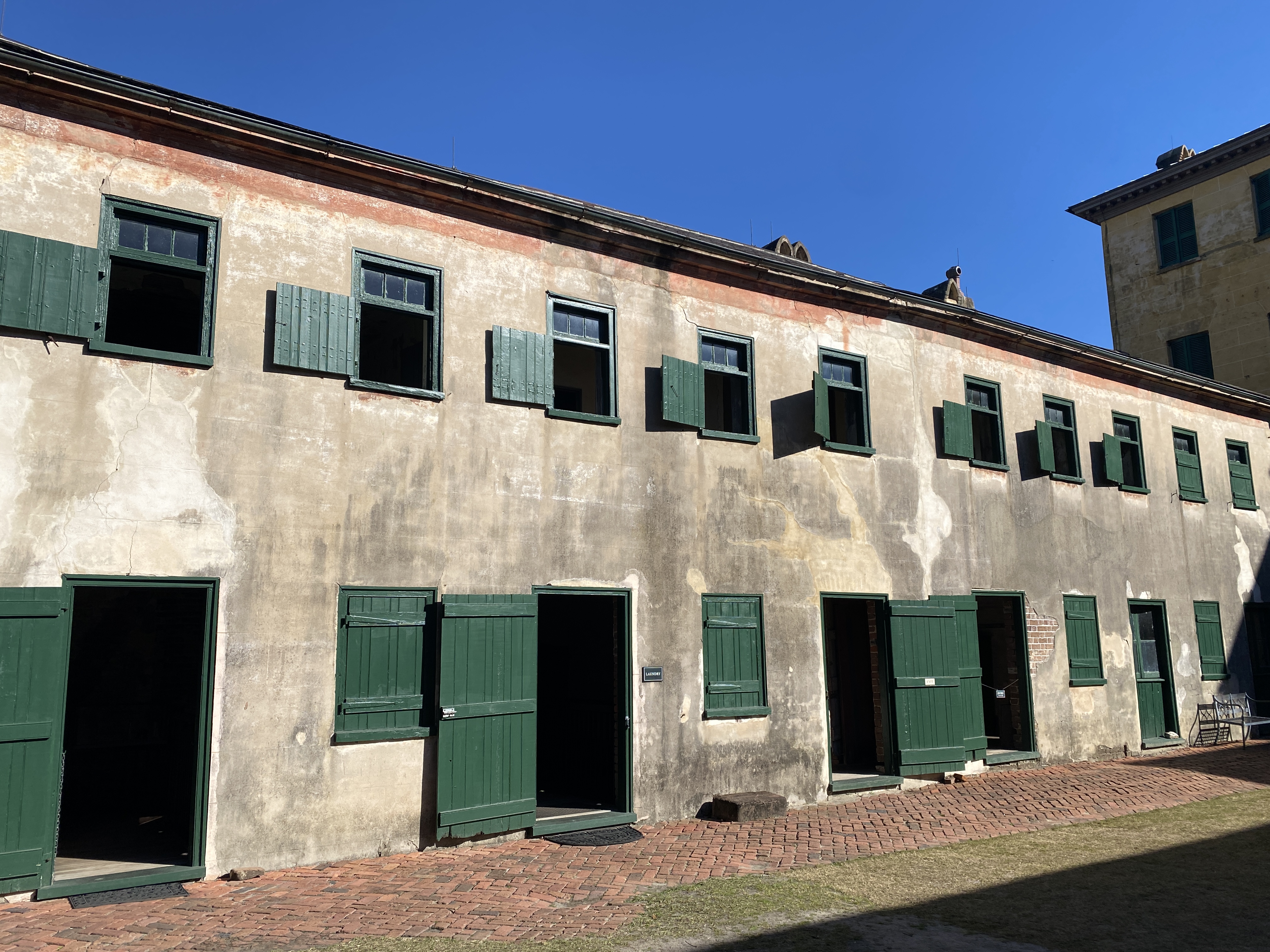
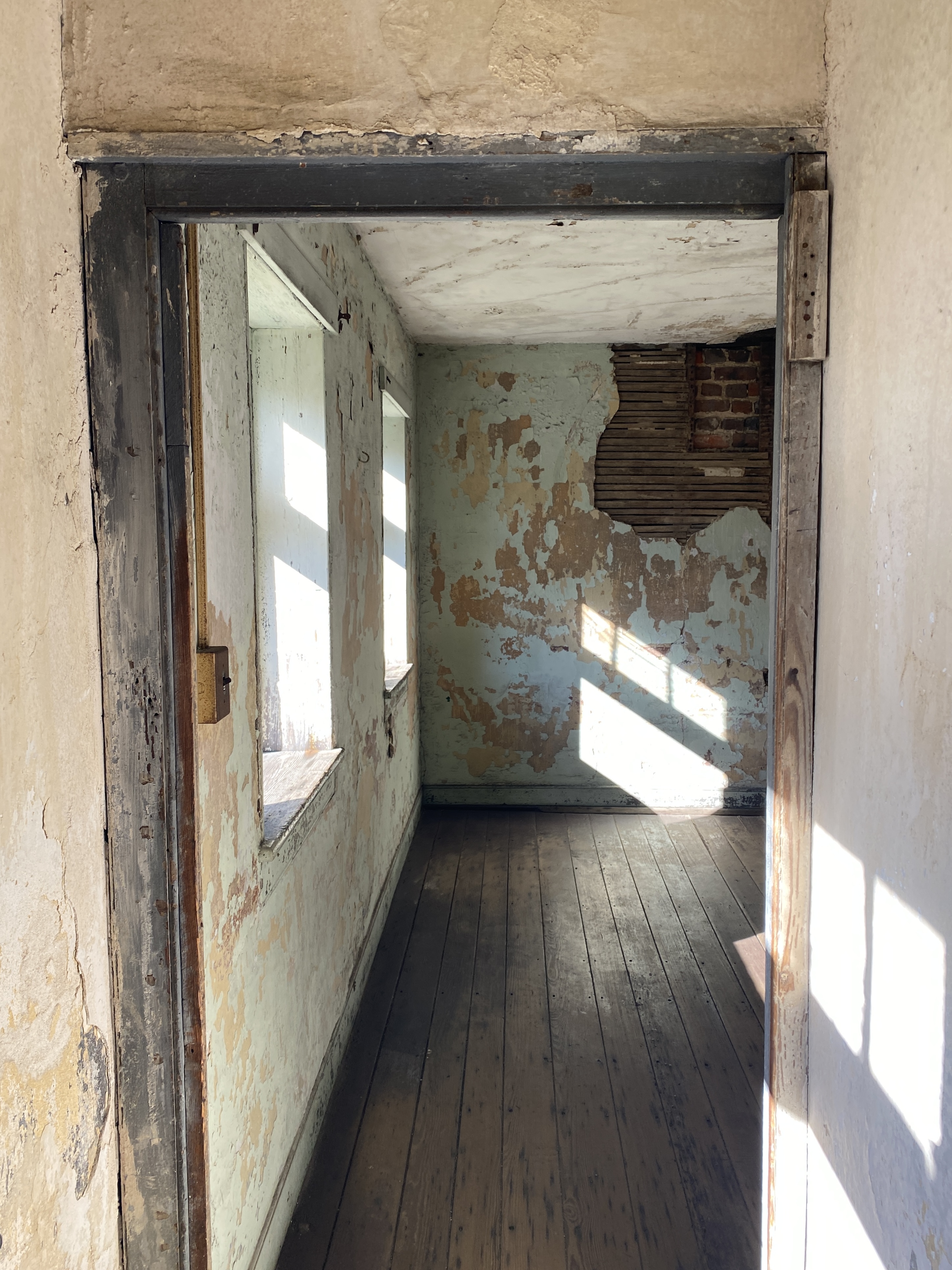
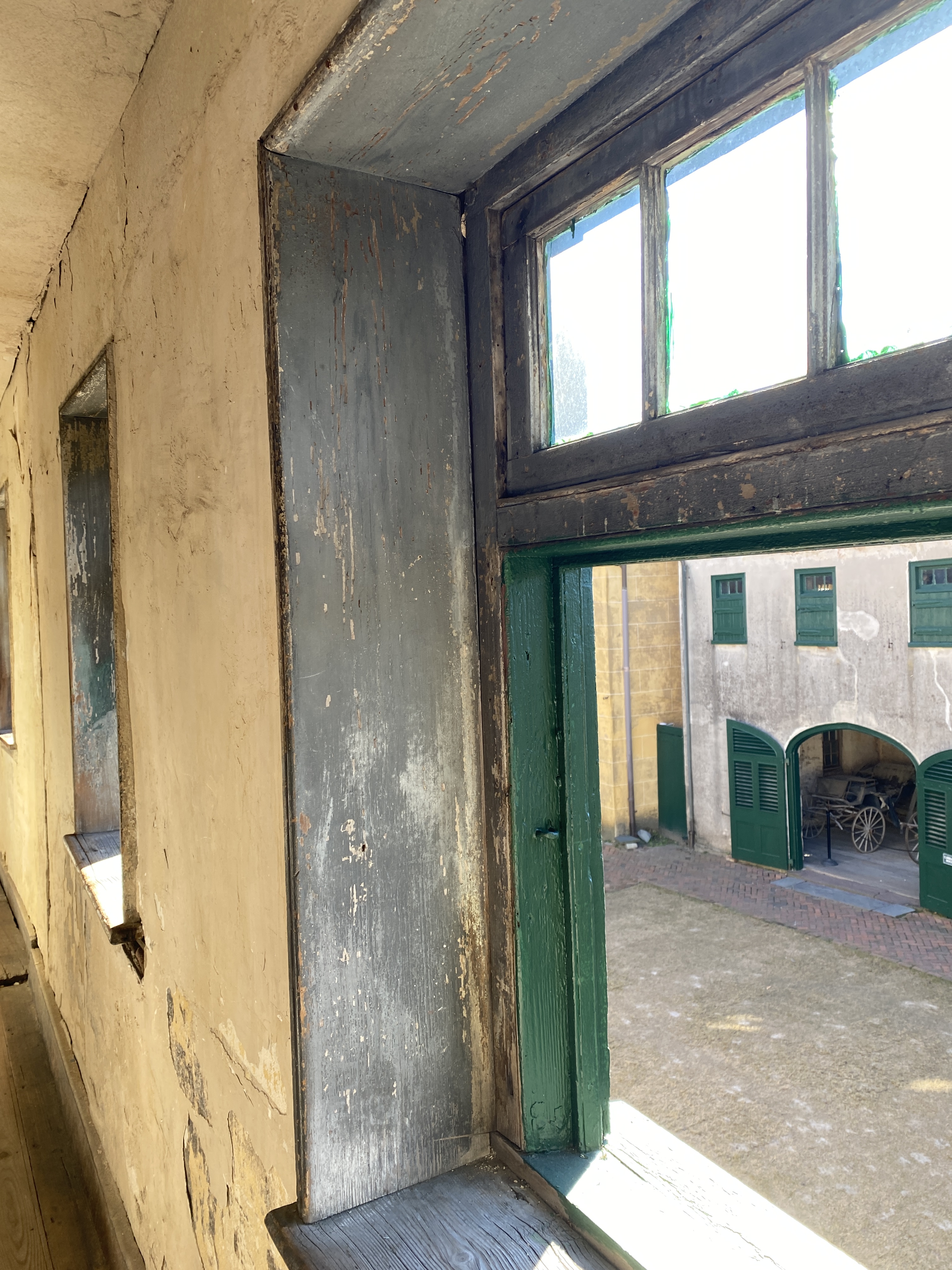
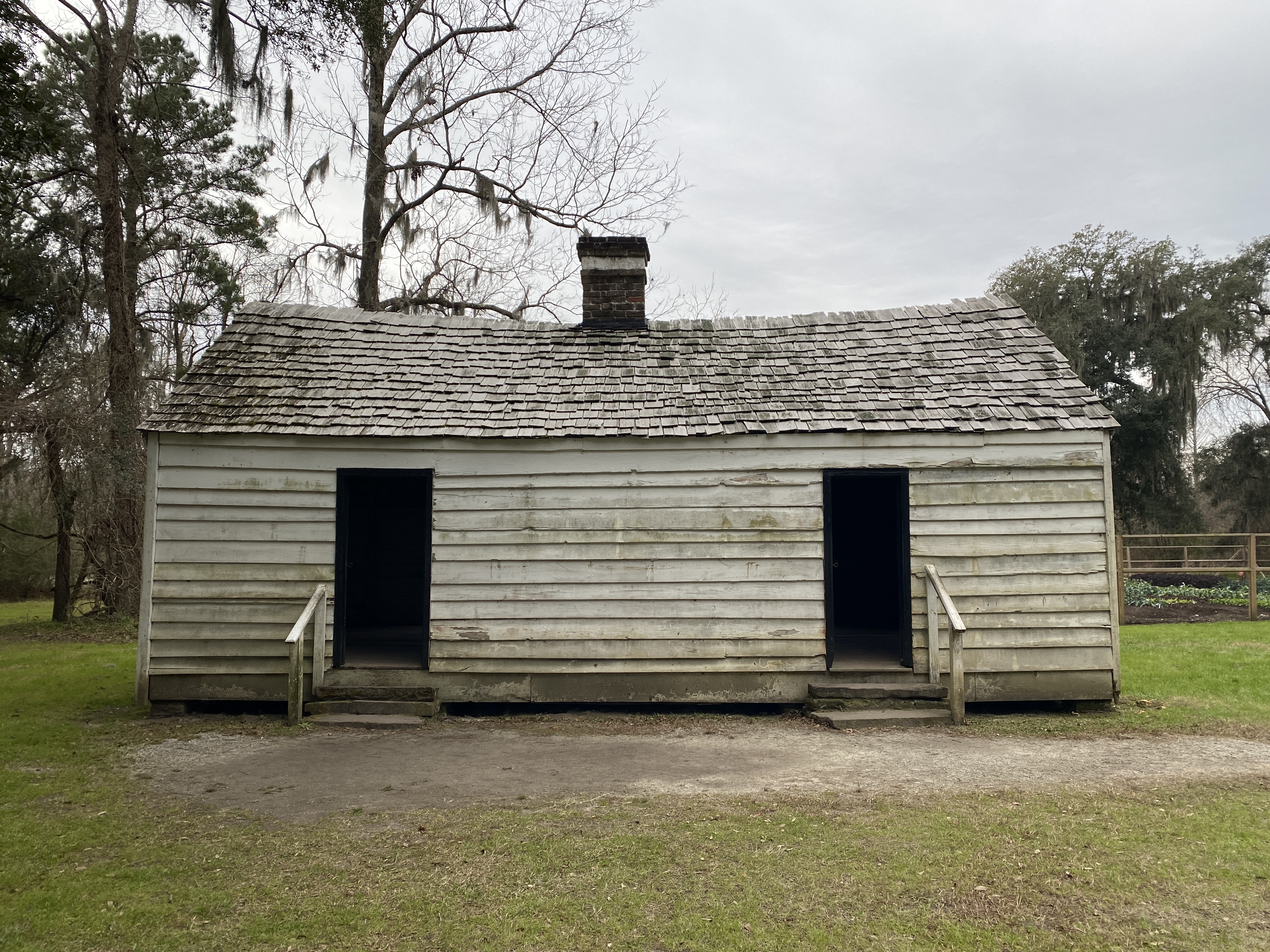
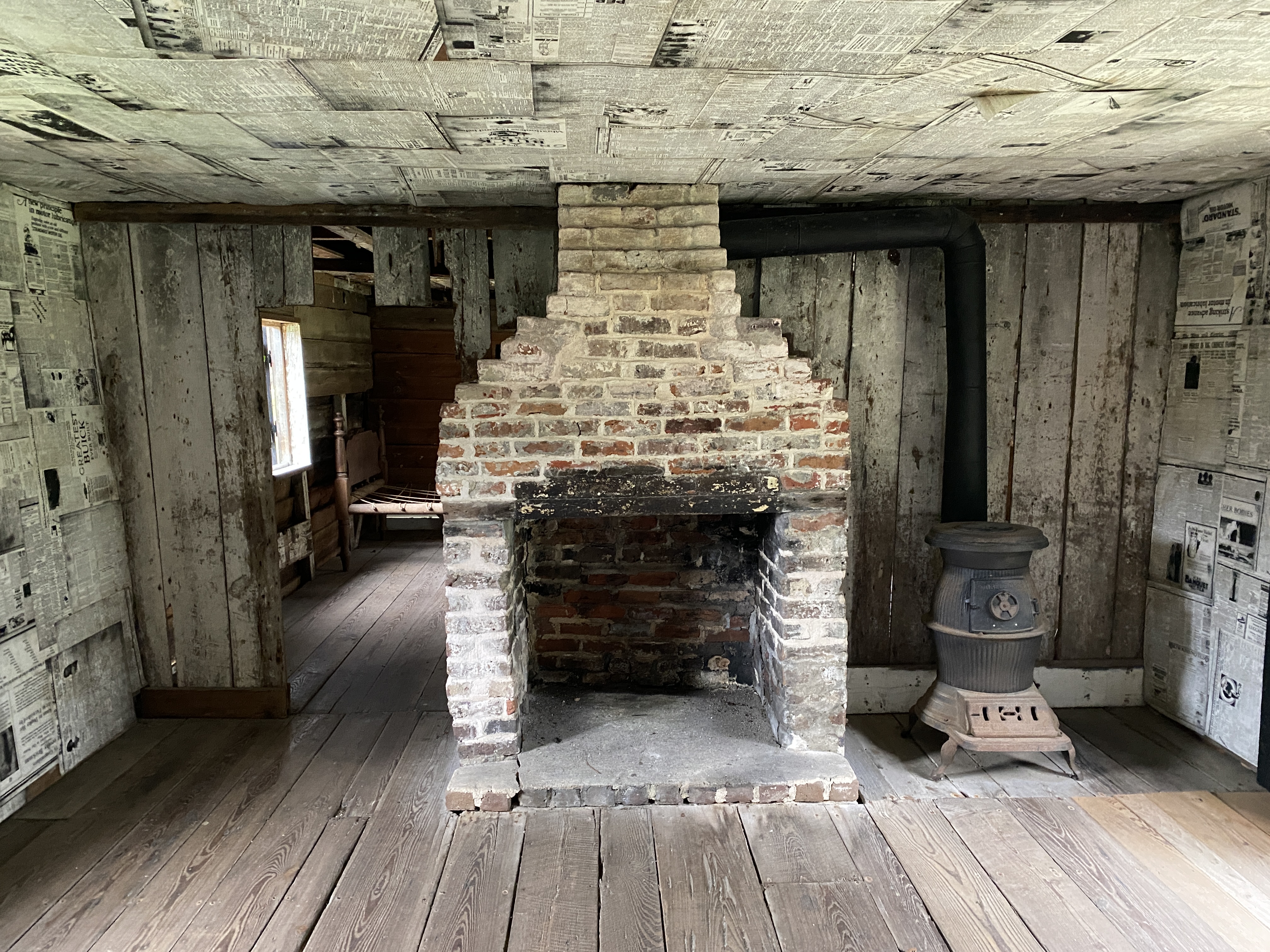
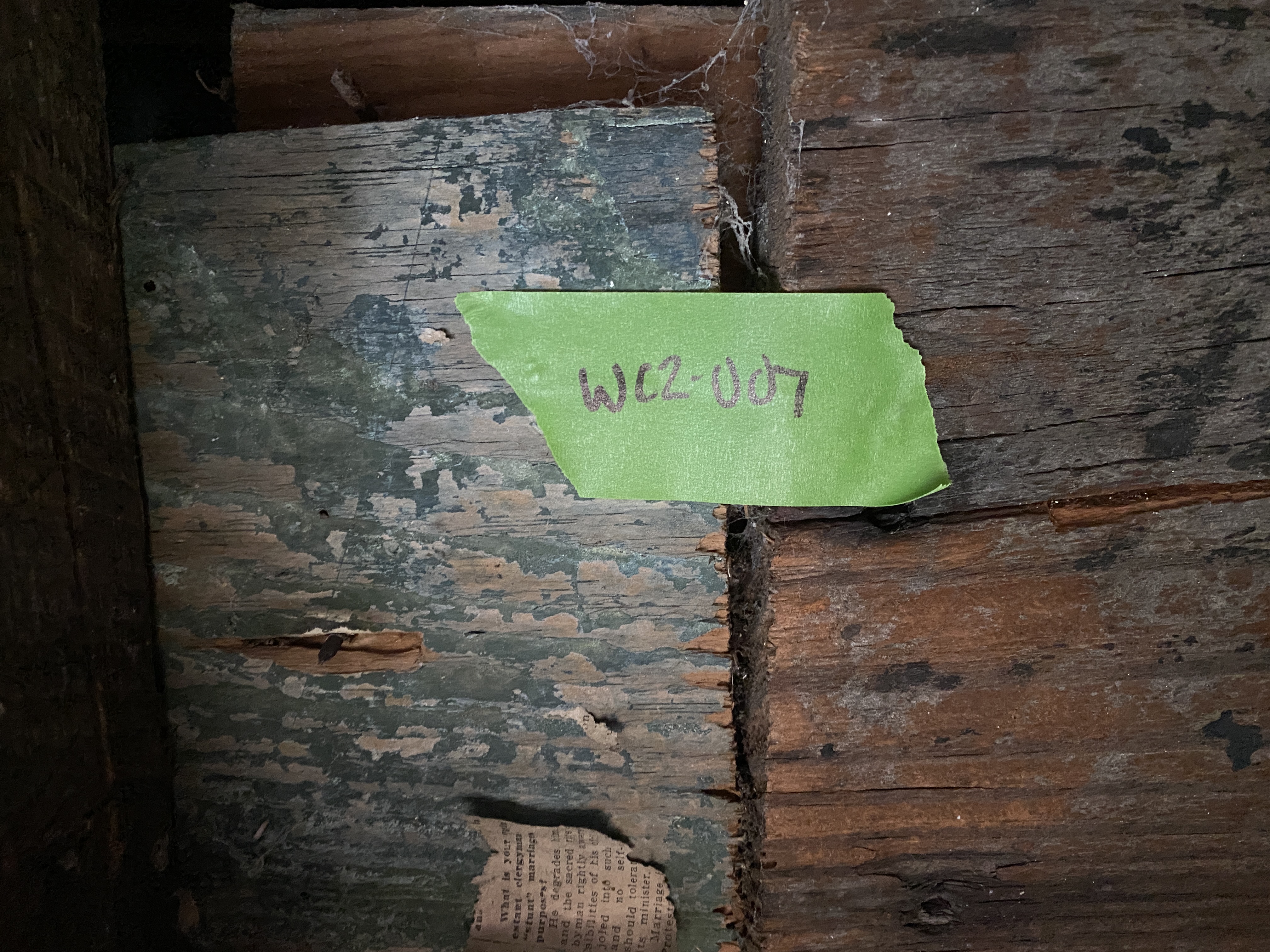
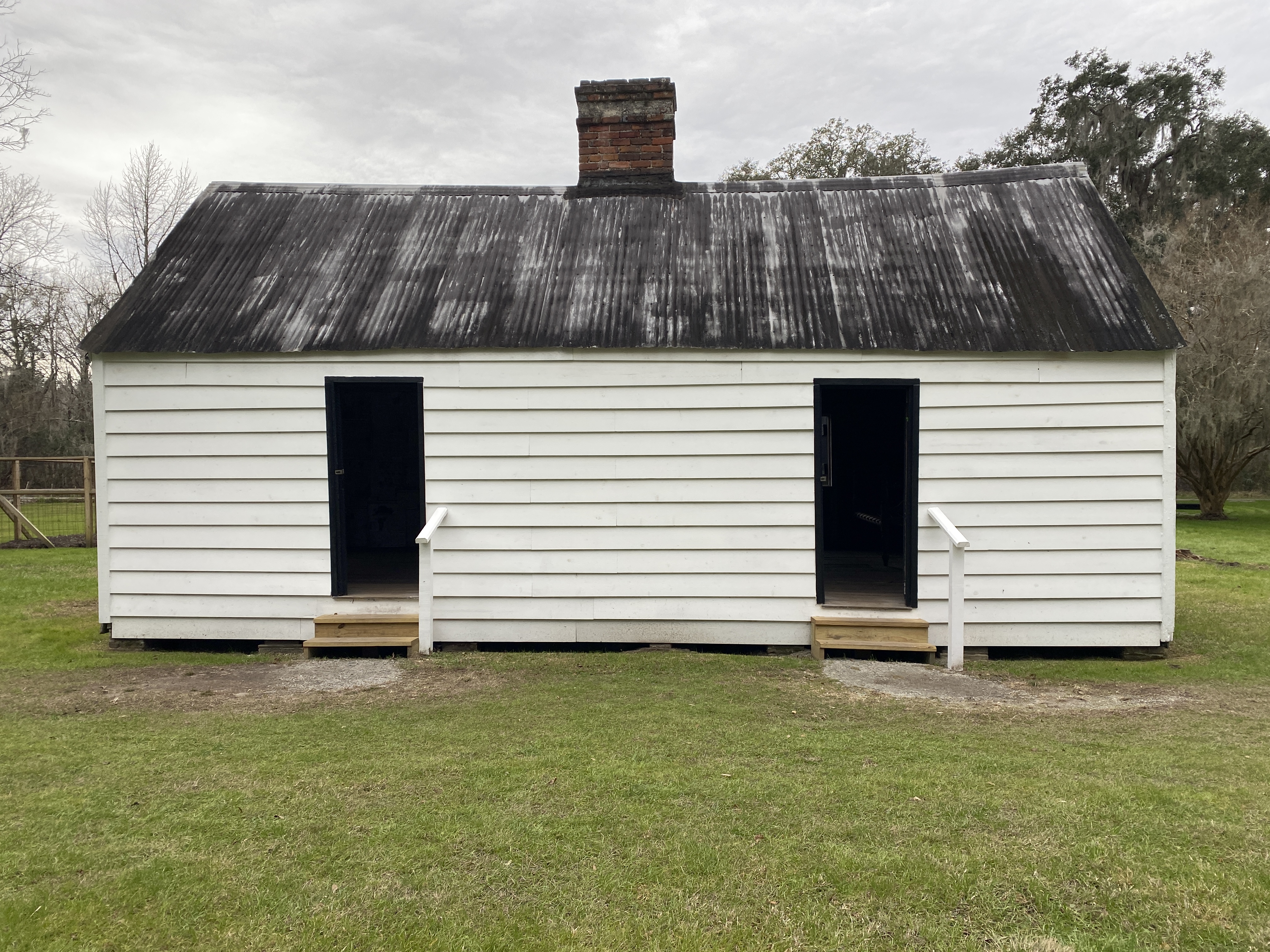
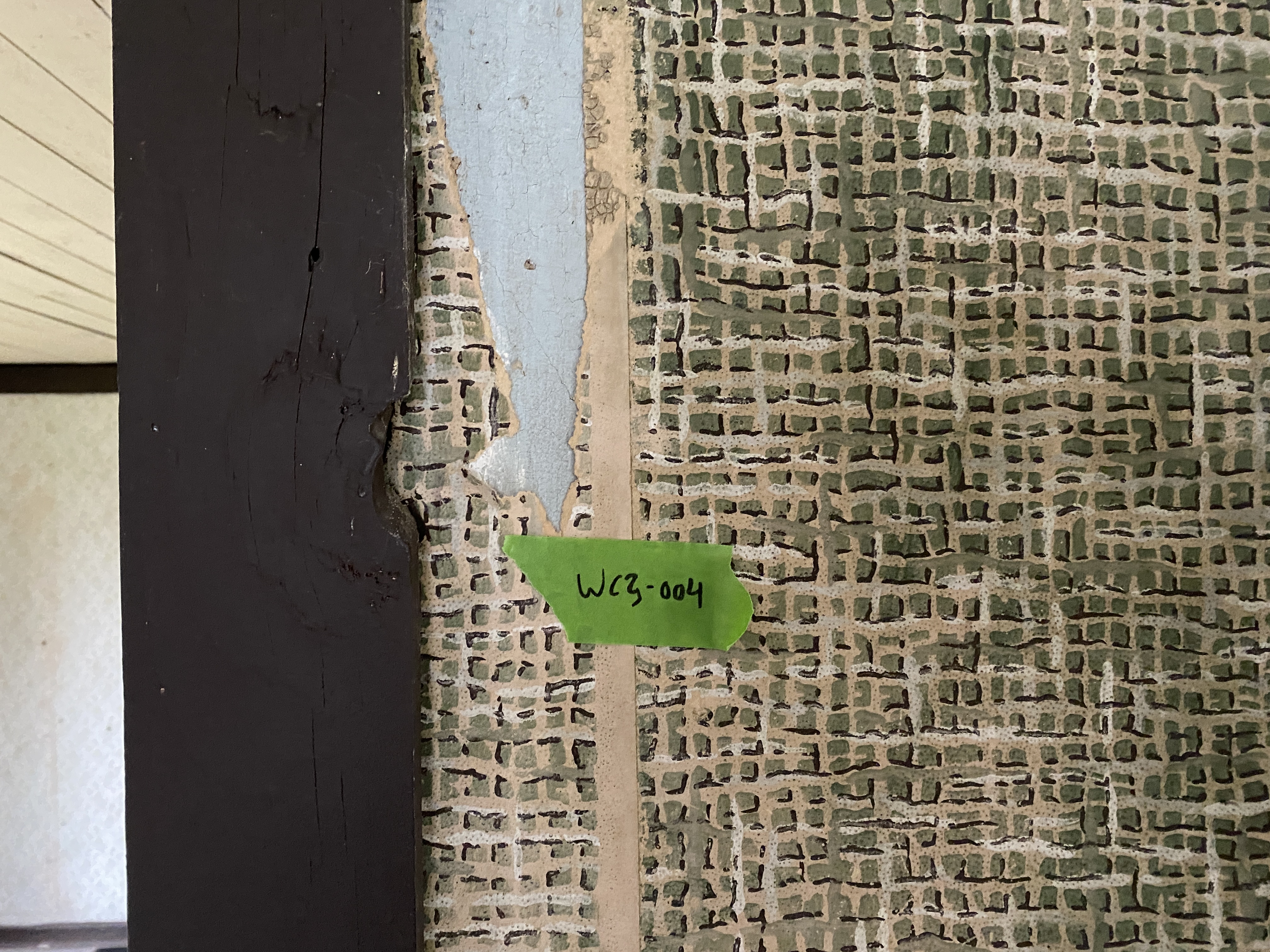
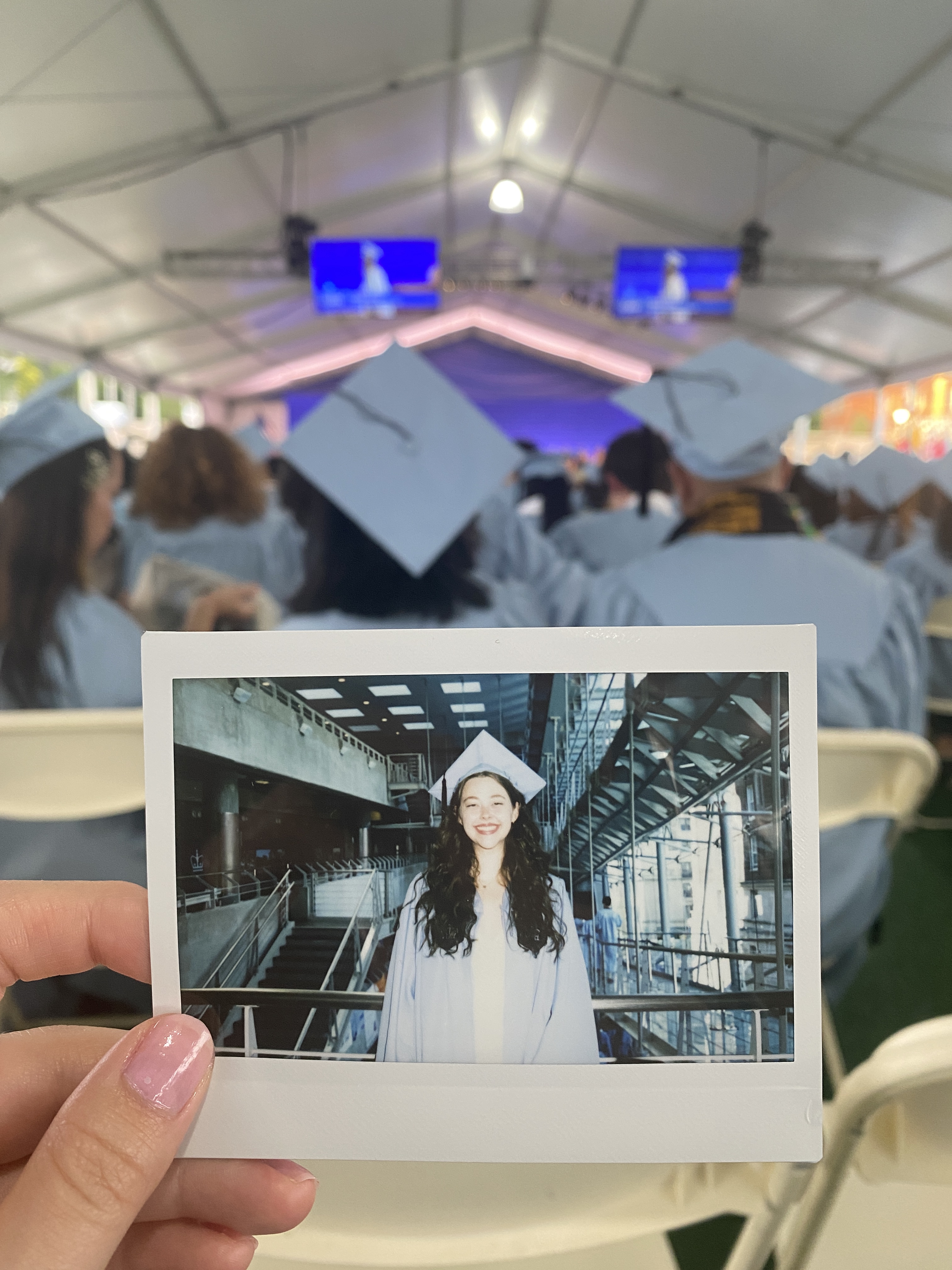
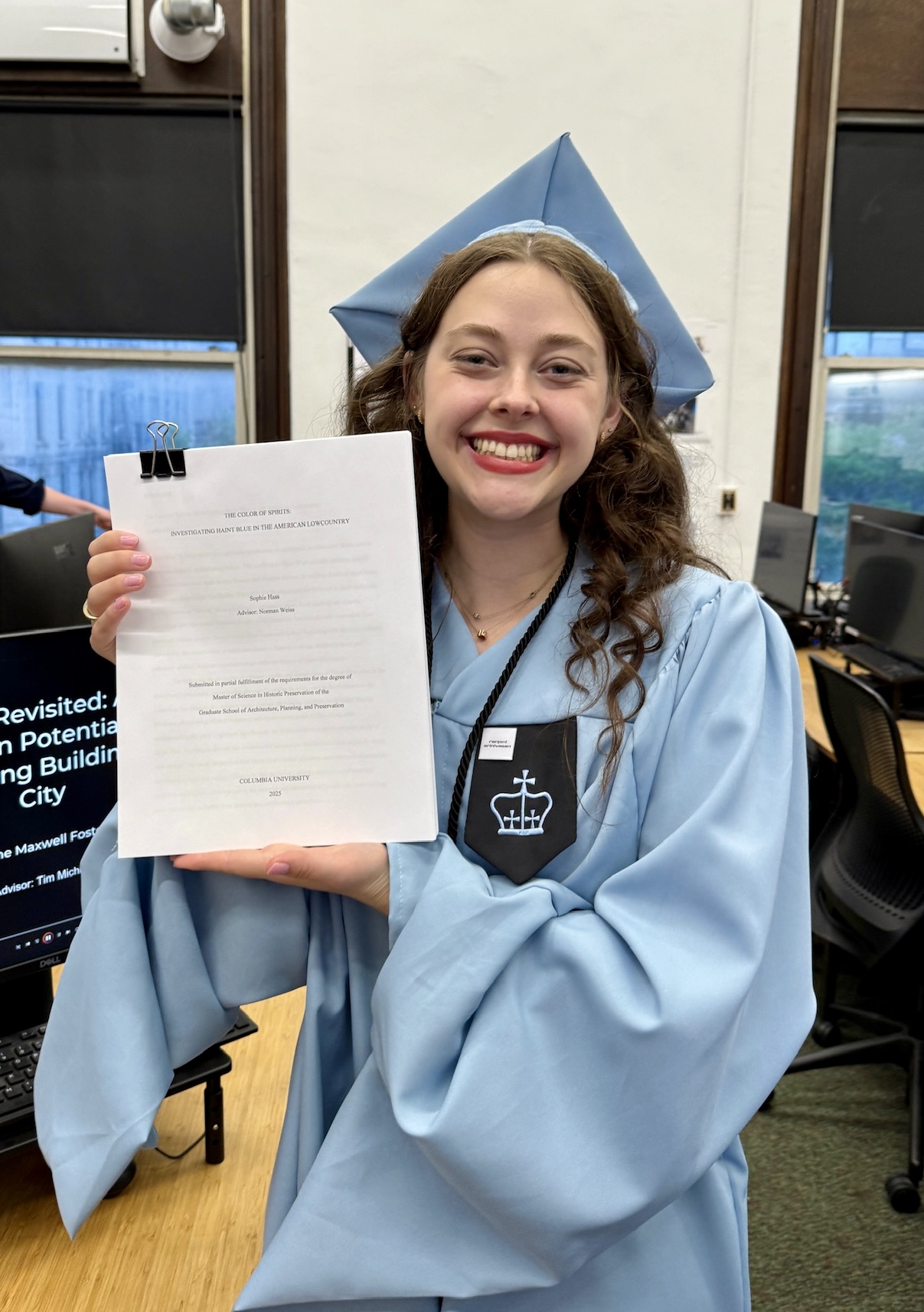
Spring 2025: All My Preservation Work Coming Together
In the fall of 2025, I started my full time job working at an architecture firm in NYC. I work as Historic Preservation, Cultural Research, & Architectural Documentation Specialist from 9-5, and in my free time, I continue my study of Haint Blue (and write novels).
✶
2026.
In the fall of 2025, I was the recipient of the Martin E. Weaver Scholarship from the Association for Preservation Technology International. With this award, I am continuing my thesis work in 2026.
Most recently, I have gathered the orignial ingreidents used to make Haint Blue paint and made mockups of what this paint oringially looked like. I also had my paint samples tested by the US Forest Service to determine the kind of wood substrate that enslaved people applied Haint Blue paint to: at Ossabaw and Magnolia, the wood is Southern Yellow Pine. I have sourced Southern Yellow Pine to apply these mock up paints to, and I hope to study how the Haint Blue paint ages over time. I think it will turn into a more blue-green color over time. But, only time will tell. I also returned to Charleston in Spring 2026 to take more paint samples, this time from a site of urban enslavement in downtown Charleston, near The Battery. I plan to analyze these samples by the end of the year.
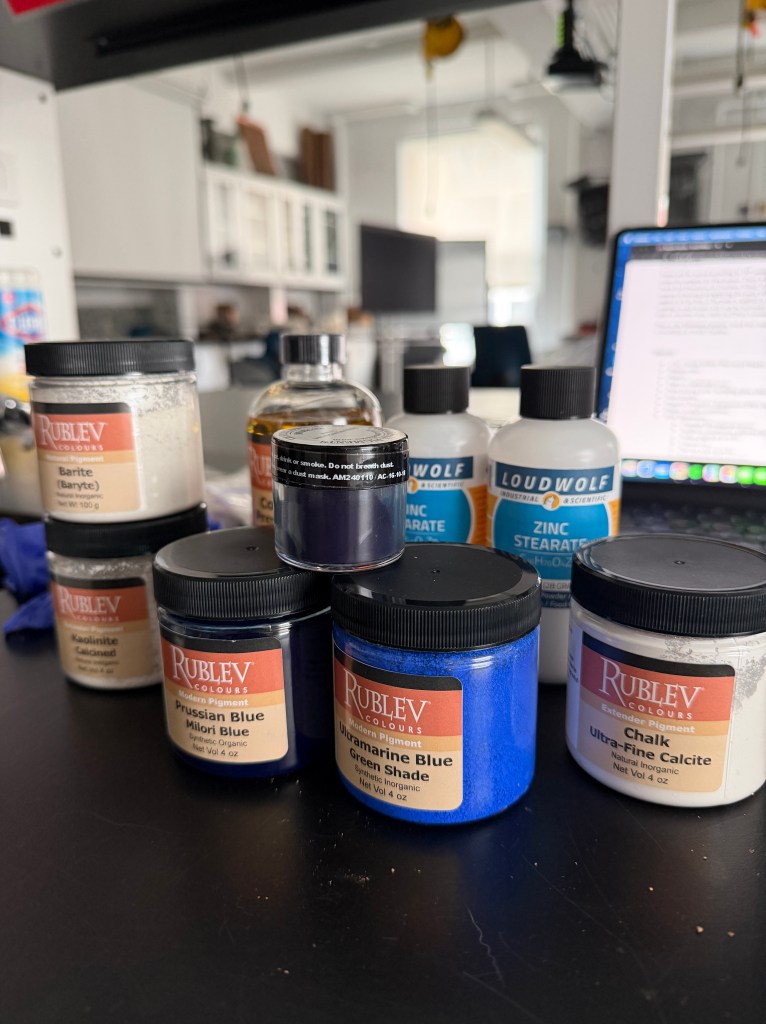
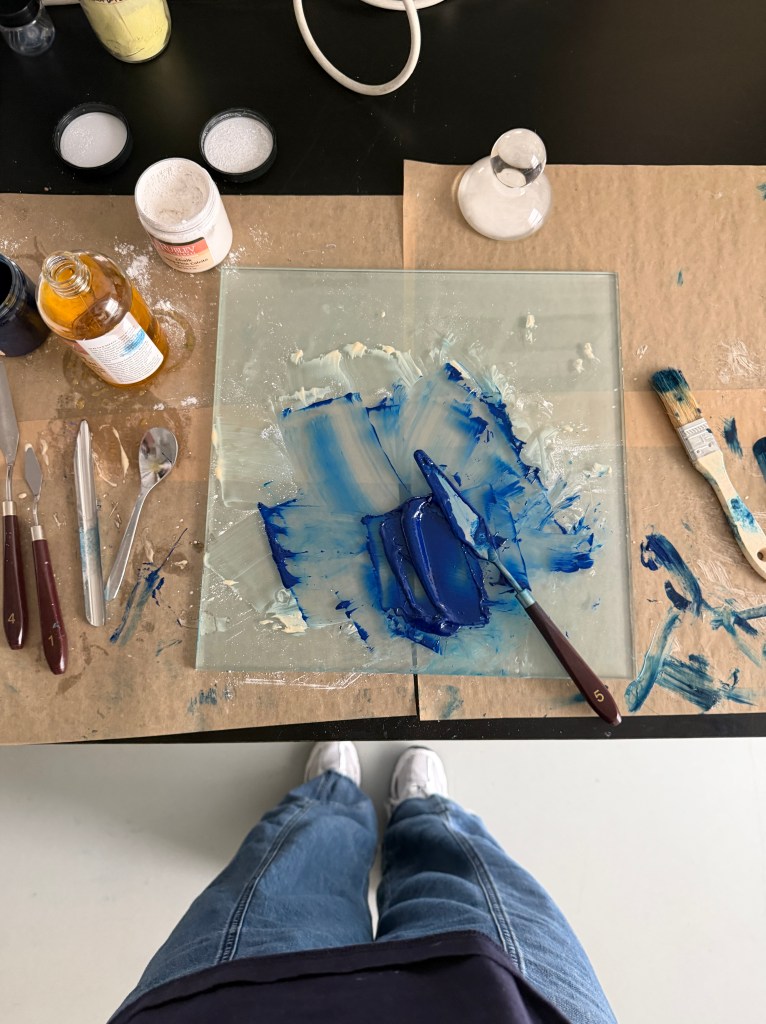
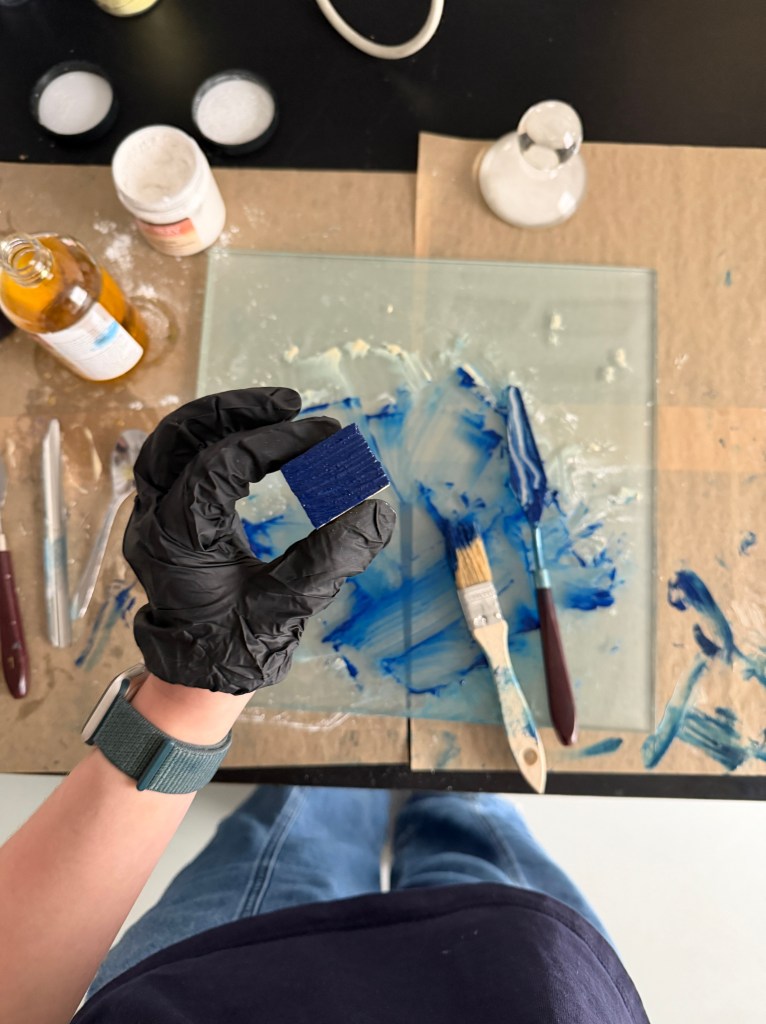
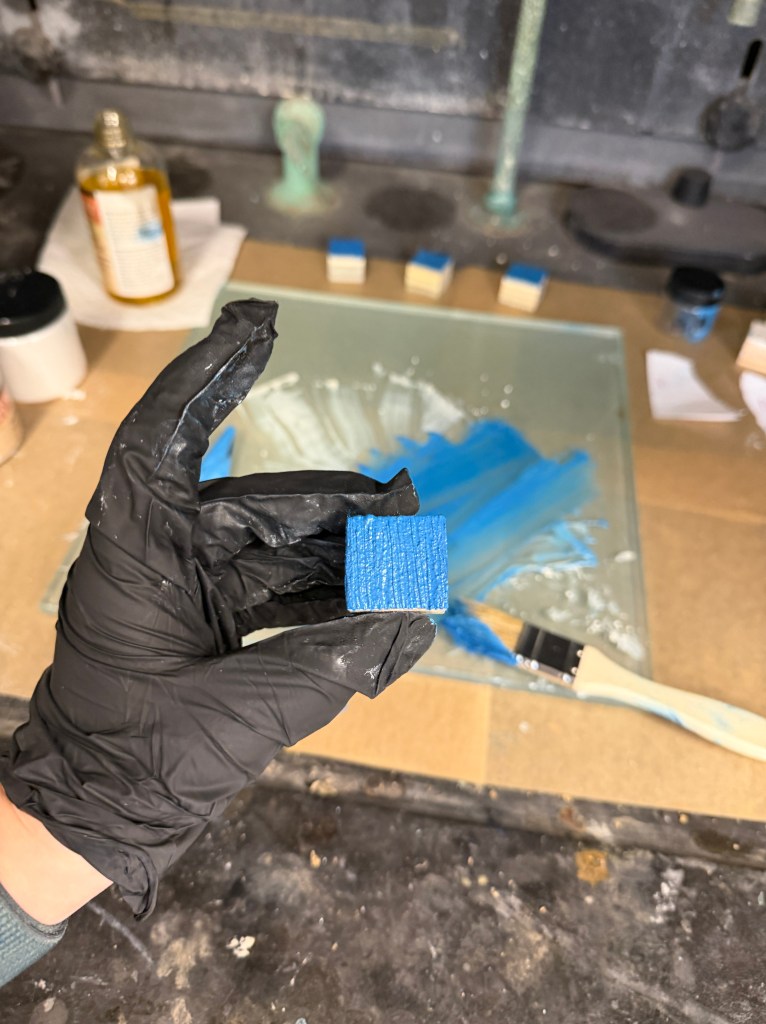
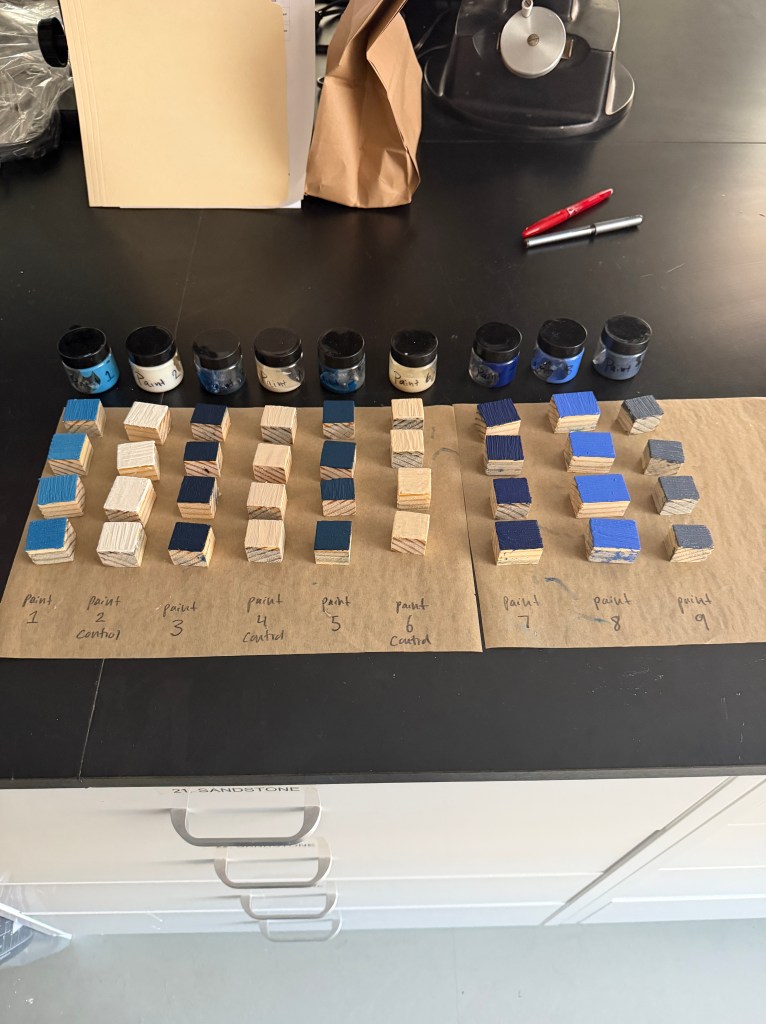
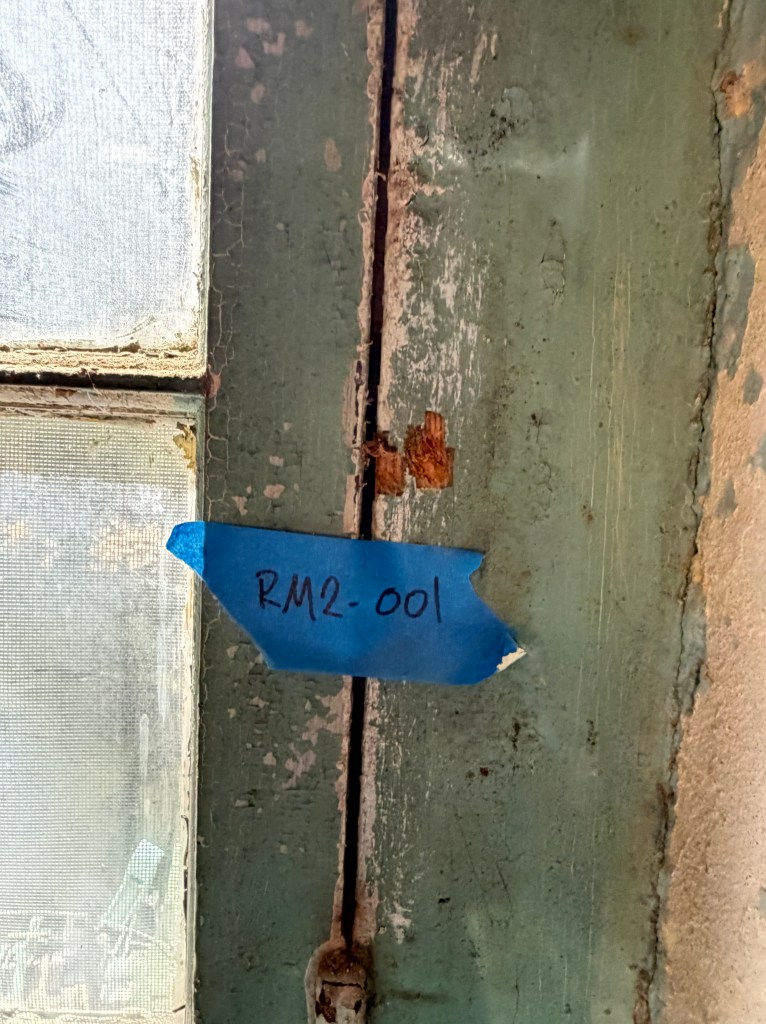
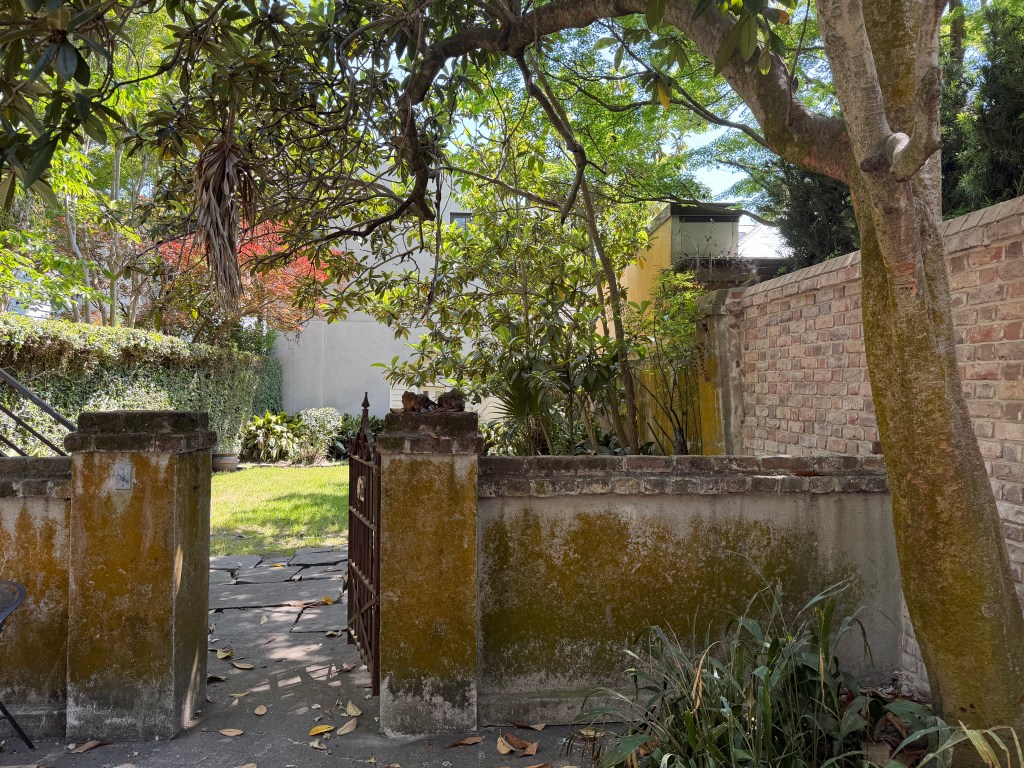
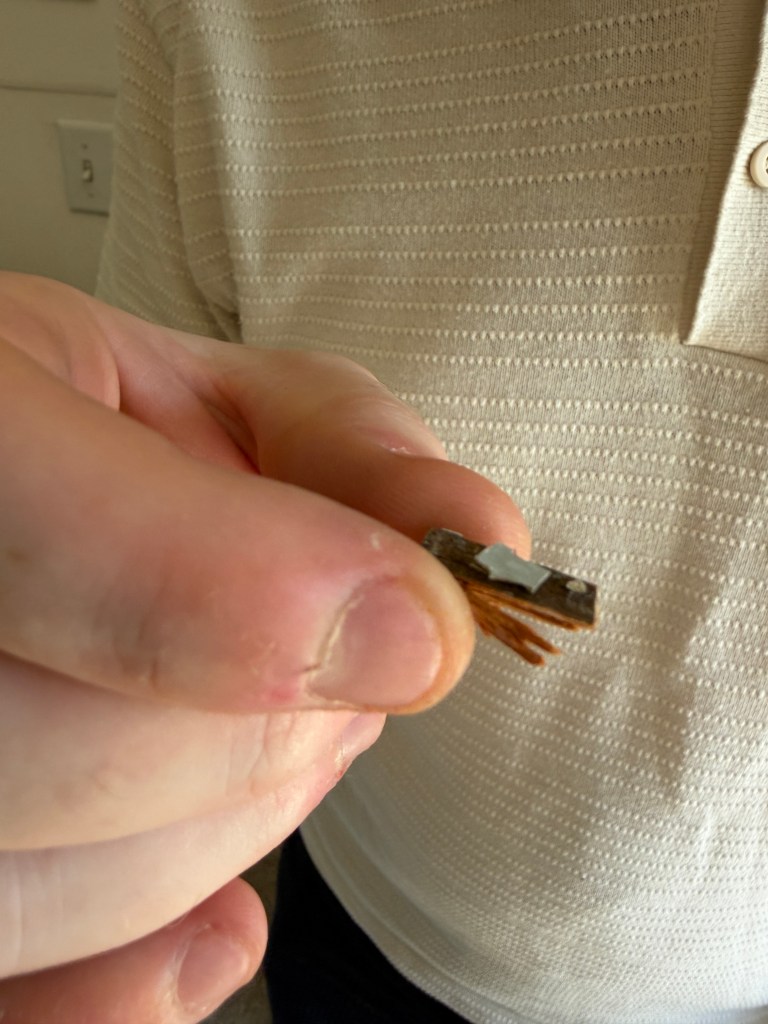
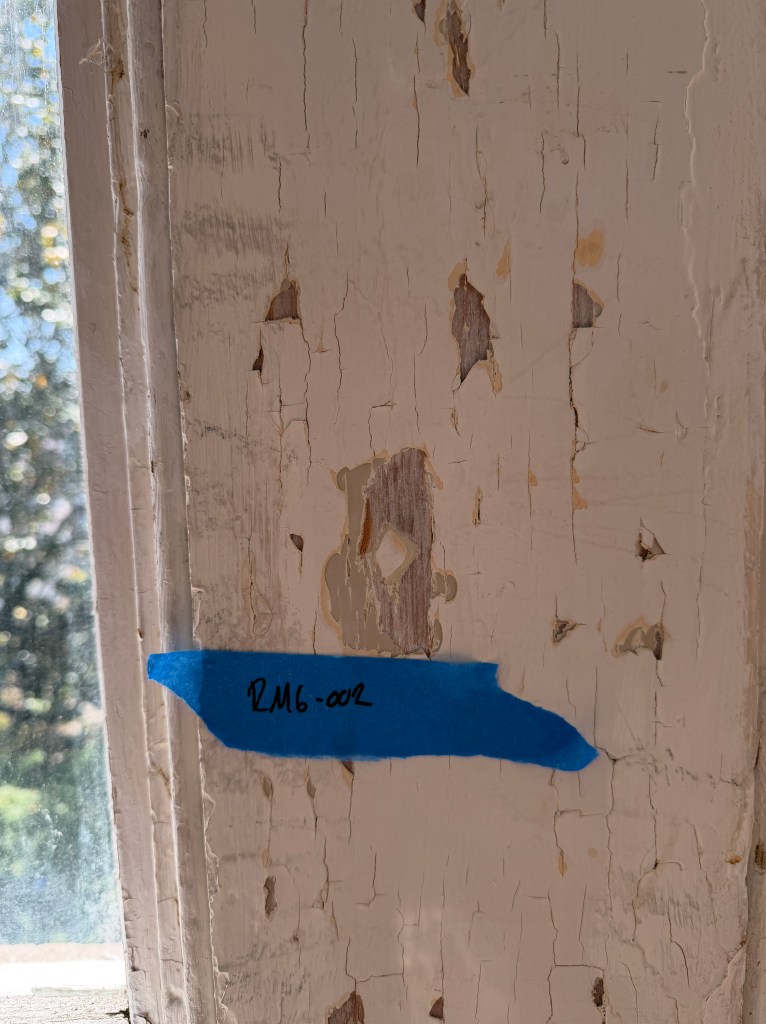
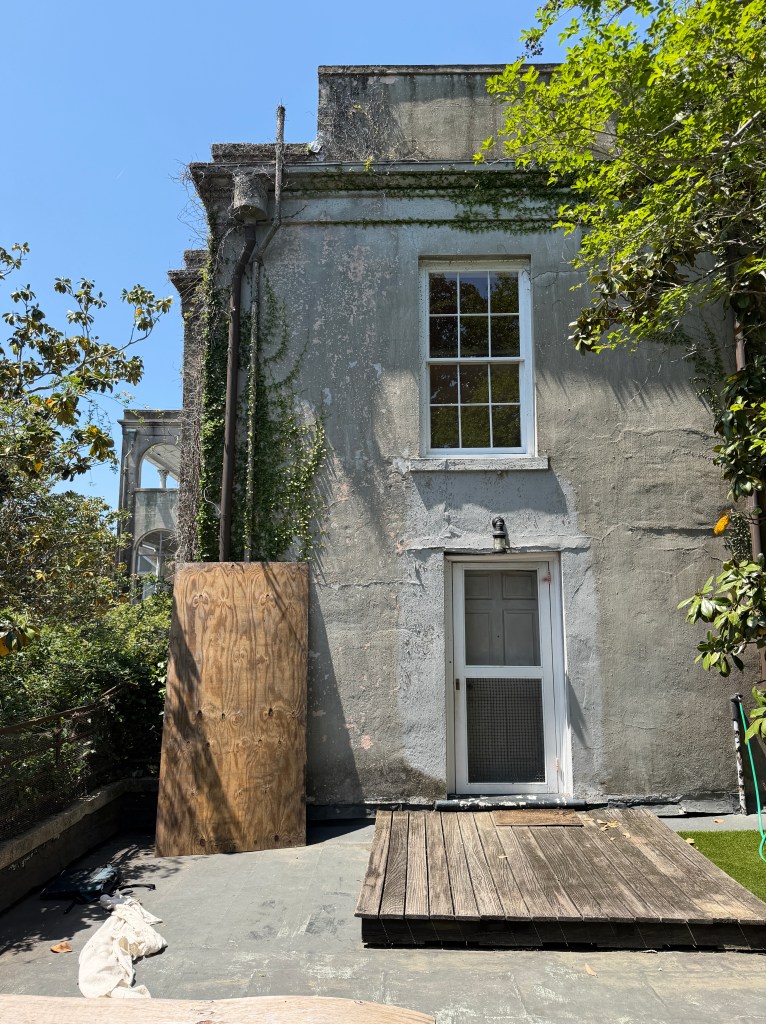
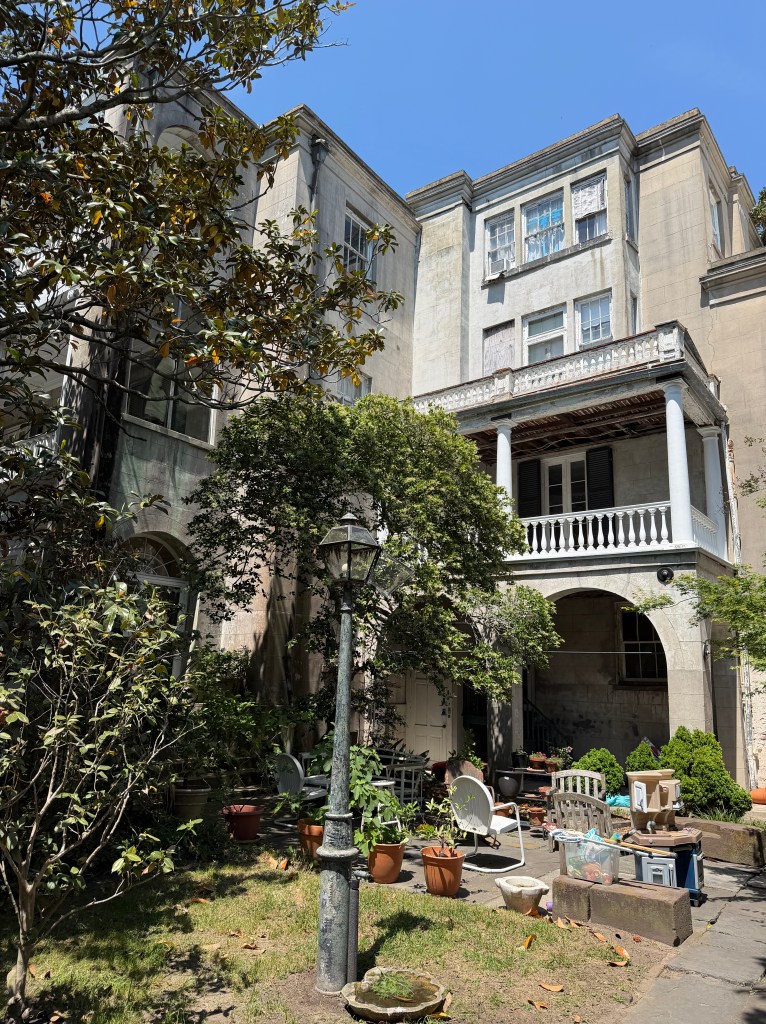
Continuing to Study Haint Blue in Spring 2026
 sophiehaswritten.com